India’s Esports Industry in 2026: From Niche Subculture to Mainstream Sporting Ambition

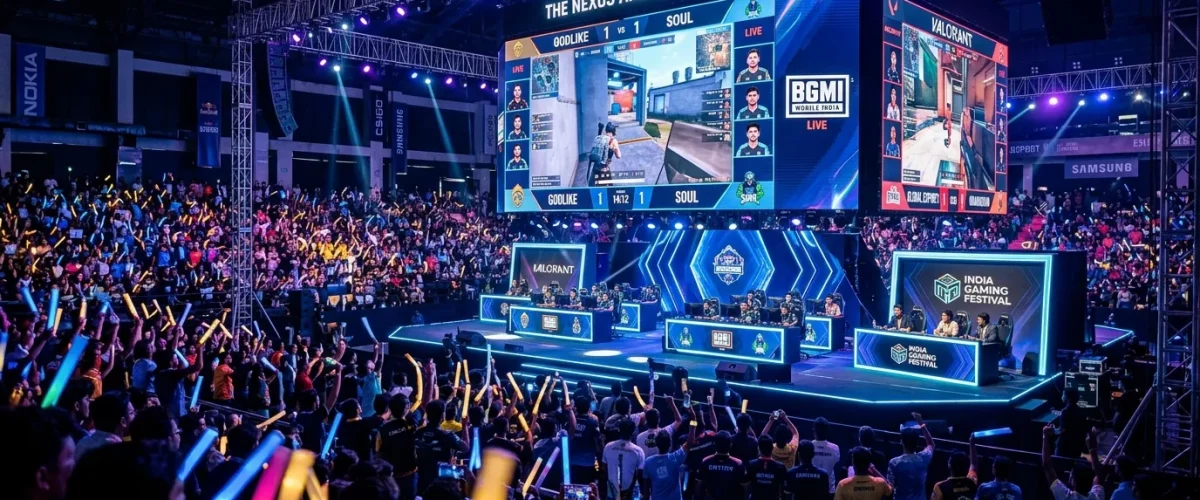
Indian esports has traversed an extraordinary journey in a remarkably short time. From informal LAN parties in cyber cafés to professionally organised tournaments with six-figure prize pools, the industry’s evolution reflects the broader transformation of India’s digital entertainment landscape. In 2026, as the Esports Federation of India pushes for greater recognition and international brands invest in the ecosystem, Indian esports stands at the threshold of mainstream acceptance — with the ambition to match.
The Scale of Indian Esports
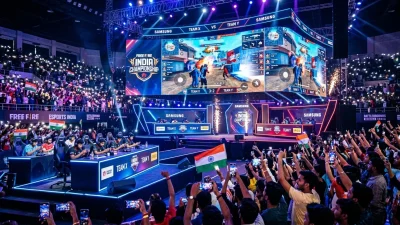
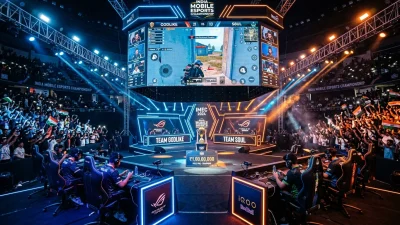
India’s esports ecosystem in 2026 encompasses millions of competitive gamers across multiple titles, hundreds of organised tournaments, and a viewership base that rivals established sporting leagues in terms of digital engagement. The competitive titles range from mobile-first games like BGMI and Free Fire to PC esports staples like Valorant, Counter-Strike 2, and Dota 2, creating a diverse competitive landscape that caters to different gaming communities.
The viewership statistics are particularly noteworthy. Indian esports events regularly attract peak concurrent viewership in the hundreds of thousands, with cumulative tournament viewership reaching tens of millions. These figures, driven by a young, digitally native audience that consumes content through streaming platforms and social media, make India one of the world’s most significant esports audiences.
The Federation and Institutional Recognition
The Esports Federation of India has been working to secure institutional recognition for esports as a legitimate sporting discipline. This effort, which involves engagement with the Ministry of Youth Affairs and Sports, the Indian Olympic Association, and international esports bodies, seeks to provide esports with the same governmental support and recognition enjoyed by traditional sports.
Institutional recognition would have far-reaching implications — from the availability of government funding and sports infrastructure to the eligibility of esports athletes for national sports awards and the inclusion of esports in multi-sport events. The 2023 Asian Games in Hangzhou, where esports was included as a medal discipline, provided a powerful precedent that Indian esports advocates are leveraging in their push for domestic recognition.
Valorant and the PC Esports Surge
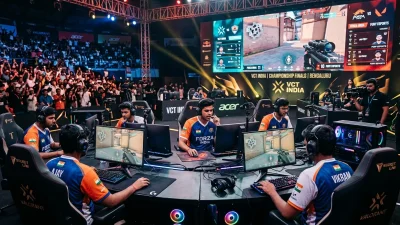
While mobile esports dominates in terms of player numbers, PC esports has carved out a significant and growing niche in India. Valorant, Riot Games’ tactical shooter, has emerged as one of the most popular competitive PC titles in the country, with a vibrant professional scene and passionate community. Indian Valorant teams compete in Riot’s regional competitive structure, with the aspiration of qualifying for international events like the Valorant Champions Tour.
The growth of PC esports in India is facilitated by the expansion of gaming cafés and esports centres that provide access to high-specification gaming PCs. For many aspiring esports professionals who cannot afford personal gaming rigs, these venues serve as training grounds and community hubs — the modern equivalent of the akhada in traditional Indian sport.
Esports Organisations and Team Infrastructure
Indian esports organisations have matured significantly. Professional teams now operate with coaching staff, analysts, content teams, and management structures that mirror traditional sports organisations. These teams invest in player development, competitive strategy, and brand building, creating sustainable businesses that support multiple competitive rosters across different game titles.
The involvement of established corporate entities — including media companies, technology firms, and traditional sports franchises — has brought professionalism and financial stability to the esports ecosystem. This corporate investment, combined with the growing interest of venture capital in Indian esports, suggests that the industry’s commercial foundations are strengthening.
Education and Career Pathways
One of the most significant developments in Indian esports has been the emergence of educational and career pathways. Universities are now offering courses in esports management, game design, and related disciplines. Gaming bootcamps and coaching academies provide structured training for aspiring professional players, while internship and apprenticeship programmes in esports organisations offer career entry points for those interested in the business side of the industry.
This educational ecosystem is critical for the long-term health of Indian esports. By providing legitimate career pathways, the industry can attract talented individuals who bring diverse skills — from data analytics and video production to marketing and event management — that are essential for the ecosystem’s continued growth and professionalisation.
Brand Engagement and Sponsorship
Brand engagement with Indian esports has evolved from tentative experimentation to strategic commitment. Consumer brands targeting young demographics — including smartphones, energy drinks, apparel, and technology companies — have recognised the value of esports as a marketing channel. Sponsorship deals, brand partnerships, and integrated marketing campaigns have become standard features of major esports events.
The metrics that esports delivers — high engagement rates, young demographics, digital-native audiences — are precisely what modern brands seek, making the partnership between esports and commercial sponsors a natural fit. As the Indian gaming market continues its growth trajectory towards USD 16 billion, the commercial potential of esports sponsorship will only increase.
Challenges: Sustainability and Regulation
Despite the momentum, Indian esports faces challenges that must be addressed for sustainable growth. Many tournament organisers and esports organisations operate on thin margins, dependent on sponsorship revenue that can be volatile. The lack of standardised player contracts, minimum salaries, and player welfare provisions creates vulnerabilities for athletes. Regulatory clarity regarding competitive gaming, age restrictions, and content standards remains an evolving area.
The Olympic Dream and Beyond
The inclusion of esports in the 2023 Asian Games and its consideration for future Olympic programmes has energised the Indian esports community. The prospect of representing India at the Olympics in an esports event — a scenario that now feels plausible rather than fantastical — provides a powerful aspirational narrative that drives investment, participation, and public interest. Indian esports in 2026 is no longer a niche subculture; it is a legitimate sporting ambition with the infrastructure, talent, and commercial support to make global impact. The pixels have become podiums, and India is ready to compete.

- India’s Startup Funding Crosses $7.2 Billion in H1 2026 - July 1, 2026
- After Ireland Shock, India’s T20I Side Faces Bigger Test - July 1, 2026
- Ireland Stun World Champions India 2-0 in Belfast, Sooryavanshi Debate Rages On - June 29, 2026