Indian Authors Dominate Global Literary Awards as Publishing Industry Crosses Rs 1,000 Crore in 2026

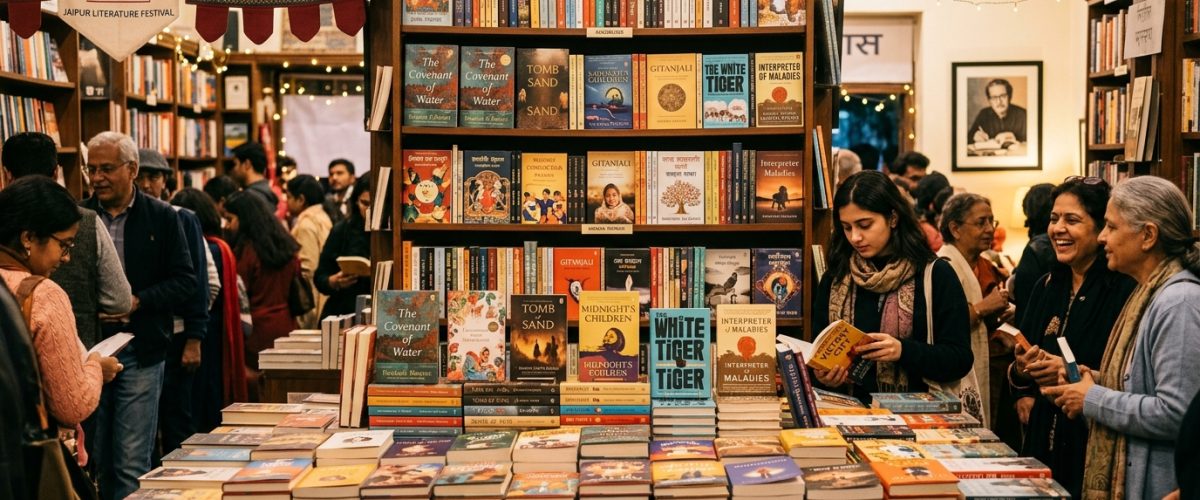
Indian authors are commanding unprecedented attention on the global literary stage in 2026 as the country’s publishing industry crosses the Rs 1,000 crore mark in organised retail and digital sales. From Booker Prize shortlists to viral BookTok recommendations, Indian writing in English, Hindi, Tamil and Bengali is reaching audiences that previous generations of authors could only dream of.
The surge is driven by three converging forces: a regional language publishing boom that has expanded the addressable market by 300 per cent since 2020, an audiobook revolution that is bringing literature to India’s vast non-reading population, and a new generation of young authors who write with the urgency of social media but the craft of literary tradition. As Indian publishing’s digital transformation with audiobooks and AI has documented, the transformation is reshaping every corner of the industry.
Indian Authors Dominate 2026 Global Literary Shortlists
The 2026 literary awards season has been remarkable for Indian writers. Perumal Murugan’s “The Goat Thief,” translated from Tamil by Aniruddhan Vasudevan, was longlisted for the International Booker Prize. Megha Majumdar, whose debut novel “A Burning” was acclaimed in 2020, returned with “The Inheritance,” which secured a spot on the Pulitzer Prize longlist for fiction.
In the non-fiction space, journalist Siddharth Dey’s investigation into India’s gig economy, “Delivering India,” won the Orwell Prize for Political Writing — the first time an Indian author has received the honour. Economist Jayati Ghosh’s “The Global South Rising” was nominated for the Financial Times Business Book of the Year.
These achievements build on a decade of growing international recognition for Indian literature. The success of Geetanjali Shree’s “Tomb of Sand,” which won the International Booker Prize in 2022, demonstrated that Hindi-language fiction could compete at the highest level. In 2026, publishers report that translation rights for Indian-language works have increased fourfold, with particular demand from French, German and Spanish publishers.
The Regional Language Publishing Boom
Perhaps the most transformative development in Indian publishing is the explosion of regional language books. Amazon India reports that Hindi, Tamil, Telugu, Marathi and Bengali book sales grew 45 per cent year-on-year in FY26, outpacing English-language growth of 12 per cent. Self-publishing platform Kindle Direct Publishing India processed over 50,000 new titles in regional languages during the same period.
The growth is particularly strong in genres that were previously dominated by English: self-help, business and technology. Chetan Bhagat-style commercial fiction in Hindi, which was once considered low-brow by literary establishment standards, now outsells English commercial fiction by a ratio of 3:1 on Indian e-commerce platforms.
The regional boom has created new publishing houses and literary festivals. Vani Prakashan, India’s largest Hindi publisher, reported revenues of Rs 85 crore in FY26. The Chennai Literary Festival and Kolkata Literary Meet have expanded their programming to include sessions in vernacular languages, reflecting the broader shift in India’s vibrant culture and lifestyle scene toward celebrating multilingual expression and heritage.
Audiobooks Transform the Reading Landscape
India’s audiobook market has emerged as the publishing industry’s fastest-growing segment, with revenues crossing Rs 300 crore in 2026. Audible India, Storytel and Kuku FM lead the market, but homegrown platforms like Pocket FM and Pratilipi are gaining ground with serialised audio fiction in regional languages.
Kuku FM, which focuses on Hindi audiobooks and audio series, reports 25 million monthly active listeners — a figure that has tripled since 2024. The platform’s most popular titles are mystery thrillers and mythological retellings, genres that translate particularly well to audio format. The average listening session is 42 minutes, suggesting that commuters and household listeners form the core audience.
The audiobook revolution is particularly significant for India because it addresses a fundamental challenge: the country’s relatively low reading rate. According to the National Book Trust, only 25 per cent of Indian adults read for pleasure. Audio content lowers the barrier to entry, reaching audiences who may not have the time, literacy level or inclination to read physical or digital books. This parallels the evolution in the most anticipated Indian books of 2026, where the format of content delivery determines audience reach.
Young Authors and the BookTok Effect
Social media has democratised literary fame in India. BookTok — the book recommendation community on TikTok, Instagram and YouTube — has propelled several Indian authors to bestseller status without traditional media coverage or publisher marketing budgets.
Nikita Gill, an Indian-origin poet based in the UK, has accumulated 500,000 Instagram followers for her illustrated poetry and sold over one million copies worldwide. In India, debut novelist Prachi Gupta’s campus romance “Delhi Darlings” sold 200,000 copies in three months, driven almost entirely by Instagram Reels recommendations from readers under 25. These trends connect to how social media platforms driving book discovery among young Indians are changing discovery patterns across cultural consumption.
Publishers have responded by creating dedicated social media teams and allocating marketing budgets specifically for influencer partnerships. HarperCollins India now sends advance review copies to 500 BookTok creators before each major release, a strategy that has yielded measurable sales increases of 20 to 40 per cent compared to titles without influencer support.
Challenges Facing the Indian Publishing Industry
Despite the positive trends, structural challenges remain. Piracy continues to cost the industry an estimated Rs 200 crore annually, with PDF scans of bestsellers circulating freely on Telegram and WhatsApp within days of release. The publishing industry has lobbied for stricter enforcement of digital copyright laws, but progress has been slow.
Print distribution remains inefficient, with only 2,500 dedicated bookstores remaining in India — down from 4,000 in 2015. The decline of physical retail has forced publishers to rely increasingly on Amazon and Flipkart, where discounting pressure erodes margins. Independent bookstores in cities like Delhi, Mumbai and Bengaluru survive primarily as community spaces and event venues rather than commercially viable retail operations.
Author compensation is another concern. Advances for debut Indian authors typically range from Rs 50,000 to Rs 3 lakh — a fraction of what comparable authors receive in the US or UK. Even successful mid-career Indian authors rarely earn enough from publishing alone to sustain full-time writing careers, forcing most to maintain parallel professional occupations.
Nevertheless, the trajectory is clear. Indian literature is experiencing a golden age of diversity, accessibility and global recognition. The expansion into arts and heritage stories from across India through digital formats, the regional language revolution and the empowerment of young voices through social media are collectively ensuring that India’s 1.4 billion people have more pathways to stories than ever before.

- Indian Outbound Travel Hits Record 30 Million Trips in 2026 as Japan Thailand and Azerbaijan Emerge Top Destinations - March 29, 2026
- Navratri 2026 Draws Record 50 Lakh Visitors to Gujarat as India’s Festival Economy Touches Rs 4.5 Lakh Crore - March 29, 2026
- Indian Authors Dominate Global Literary Awards as Publishing Industry Crosses Rs 1,000 Crore in 2026 - March 29, 2026