Indian Fashion Trends 2026: Pre-Draped Sarees, Indo-Western Fusion, and the Rise of Comfort-First Design

Indian fashion in 2026 is experiencing a quiet revolution — one driven not by dramatic aesthetic upheaval but by a fundamental rethinking of what ethnic wear can be in a modern, global context. The defining trend is unmistakable: comfort without compromise. From pre-draped sarees that eliminate the fifteen-minute draping ritual to sharara sets engineered for all-day wearability, Indian designers are responding to a generation of women who demand that their clothing honour tradition while accommodating the rhythms of contemporary life. The result is a fashion landscape that feels simultaneously rooted and progressive, culturally specific and universally appealing.
Pre-Draped Sarees: The Democratisation of India’s Iconic Garment
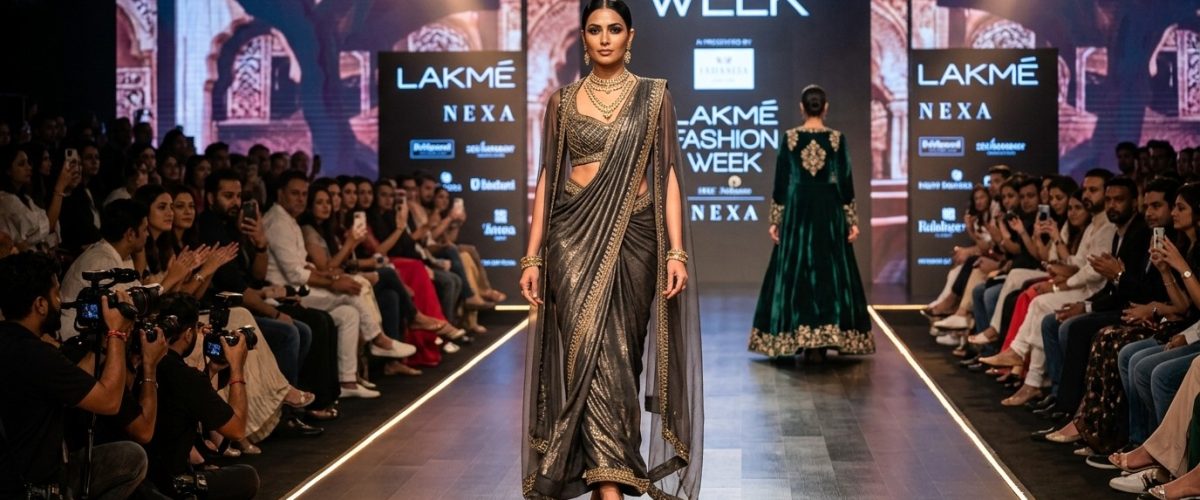
The saree remains the most iconic garment in Indian fashion, but its traditional draping demands a level of skill and time that many modern women find impractical for daily wear. The 2026 solution is the pre-draped saree — a garment that preserves the visual elegance of the traditional saree while eliminating its complexity. Leading designers have introduced pre-stitched versions with belted silhouettes, combining the flowing aesthetics of the saree with the structural support of Western tailoring.
The innovation extends to fabric choices. Tissue organza, Banarasi silk, and velvet-net combinations dominate the high-end market, while breathable cottons and georgette blends cater to everyday wear. The Bandhani tie-dye technique, a traditional craft from Gujarat and Rajasthan, has experienced a renaissance on saree fabrics, with contemporary designers applying the ancient method to modern colour palettes and patterns. This fusion of heritage craft with contemporary design sensibility encapsulates the broader direction of Indian fashion in 2026.
Kurta Sets: The Star of Everyday Ethnic Wear
If the pre-draped saree addresses formal occasions, the kurta set has become the undisputed star of everyday ethnic wear. Straight kurtas paired with palazzo trousers in silk, velvet, and georgette represent the most universally flattering silhouette of the year. For women seeking a more contemporary look, short kurtis with fitted trousers offer a polished alternative that transitions seamlessly from office to evening.
Sharara sets — featuring wide, flared trousers beneath flowing kurtas — have returned with a vigour that suggests they are no longer cyclical but permanently embedded in the Indian wardrobe. The 2026 iterations feature Mughal-inspired details: large floral patterns, bootis (repeating motifs), scalloped edges, and intricate neck work that reference the Mughal miniature painting tradition. These elements connect contemporary garments to centuries of aesthetic history, creating depth and meaning beyond mere fashion.
Indo-Western Fusion: Where Cultures Converge
The Indo-Western category has matured from a niche experiment into a dominant market segment. Dhoti skirt sets paired with crop tops bring traditional draping concepts into contemporary silhouettes, while palazzo and crop top combinations with jackets solve the perennial dress code dilemma for women navigating events that demand both ethnic sensitivity and modern aesthetics. Jumpsuits with Indian embellishments — zari work, mirror embroidery, or subtle sequin detailing — represent the furthest reach of this fusion, creating garments that honour heritage without looking backward.
The market for Indo-Western fashion has been driven significantly by the Indian diaspora, particularly women in the UK, US, and Middle East who seek garments with pan-global appeal. Designers have responded by creating collections that work as well at a London New Year’s party as at an Indian wedding celebration — a dual-context design approach that has broadened the commercial potential of Indian ethnic wear enormously.
Colour and Embellishment: The 2026 Palette
The colour story of 2026 is nuanced. Pink with ivory has emerged as the combination of choice for sangeet and mehndi celebrations, offering sweetness tempered by sophistication. Lime is the surprise hit — a fresh, youthful colour that adds unexpected energy to Indo-Western styles and has been particularly embraced by younger consumers. Ombré treatments, where colours melt into one another for a dreamy, gradient finish, have become a signature technique across sarees, lehengas, and kurta sets.
In embellishment, the trend is toward deliberate restraint. While heavy zari work and cut-dana detailing remain popular for bridal wear, everyday ethnic fashion in 2026 favours delicate hand embroidery, hanging beads used as accents rather than coverage, and crystal embellishments that catch the light without overwhelming the garment’s silhouette. This calibrated approach to ornamentation reflects the broader consumer preference for sophistication over spectacle — a shift that aligns with the evolving aesthetics of Indian celebrity culture where understated elegance increasingly trumps maximum glamour.
Lehengas Reinvented for 2026
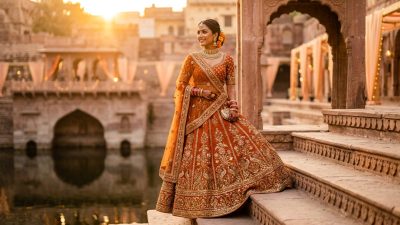
The lehenga, traditionally reserved for weddings and grand celebrations, has been reimagined for a wider range of occasions. Indo-Western lehenga sets featuring crop tops with flowing skirts showcase intricate floral embroidery, modern prints, and stunning sequin and crystal embellishments. Banarasi lehengas maintain their timeless appeal, with the rich silk and zari craftsmanship that has defined Varanasi’s textile tradition for centuries — but styled with modern blouses that make them feel entirely fresh.
The market for lighter, less structured lehengas suitable for cocktail events and semi-formal occasions has expanded significantly, driven by younger consumers who want the visual impact of traditional bridal wear without the physical weight and movement restrictions. This demand has encouraged experimentation with non-traditional fabrics, including brushed silks and lightweight net-organza combinations that maintain the garment’s visual grandeur while dramatically reducing its heft.
The Business of Indian Fashion
India’s ethnic wear market, valued at over ₹1.5 lakh crore, continues to grow at a rate that outpaces the broader apparel industry. The growth is fuelled by rising disposable incomes, increasing cultural pride among younger generations, the influence of Bollywood and social media, and the expanding international market for Indian fashion. E-commerce platforms have been particularly instrumental in democratising access to designer ethnic wear, enabling consumers in smaller cities to access collections that were previously available only through metropolitan boutiques.
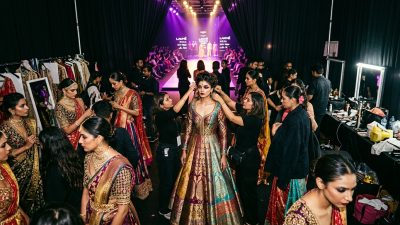
As Bollywood’s visual aesthetics shape consumer fashion preferences, the relationship between cinema and fashion remains symbiotic. Costume designers for major film productions have become influential tastemakers, while designers increasingly seek celebrity endorsements and red carpet visibility to launch new collections. In 2026, Indian fashion is not merely keeping pace with global trends — it is establishing its own vocabulary of style that the world is increasingly eager to learn.

- Beyond Goa: India’s Hidden Coastal Gems Draw Record Visitors as Beach Tourism Reinvents Itself in 2026 - March 28, 2026
- India’s Bridal Fashion Industry Crosses Rs 5,000 Crore as Designer Labels and AI Styling Reshape Weddings in 2026 - March 28, 2026
- Himalayan Adventure Tourism Booms in Spring 2026 But Overtourism and Climate Risks Sound Alarm - March 27, 2026