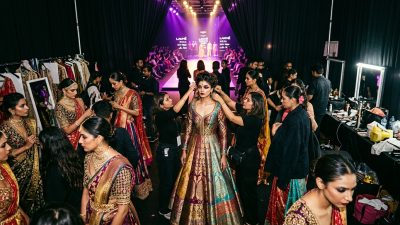
India’s Bridal Fashion Industry Crosses Rs 5,000 Crore as Designer Labels and AI Styling Reshape Weddings in 2026

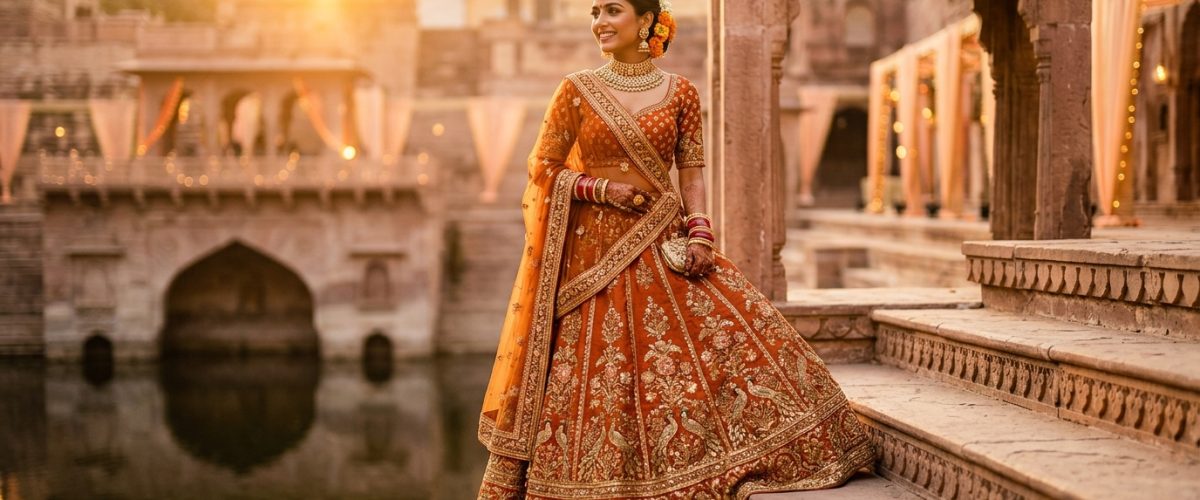
India’s bridal fashion industry has crossed the Rs 5,000 crore mark in 2026, driven by a potent combination of designer label expansion, sustainable luxury demand and artificial intelligence-powered styling tools that are fundamentally reshaping how Indian brides plan their wedding wardrobes. Industry data released by the Fashion Design Council of India shows that the bridal segment now accounts for nearly 40 per cent of the country’s organised fashion market, a figure that has doubled in just five years.
The surge comes as a new generation of brides — primarily millennials and Gen Z women aged 25 to 35 — demands both heritage craftsmanship and ethical production. Major design houses including Sabyasachi, Manish Malhotra and Tarun Tahiliani have responded by launching dedicated sustainability lines that use handloom fabrics, natural dyes and zero-waste pattern cutting. Meanwhile, social media habits reshaping how Indians discover products are accelerating the shift, with Instagram Reels and YouTube Shorts becoming the primary discovery platform for bridal trends.
Designer Labels Bet Big on Sustainable Bridal Luxury
The biggest development in India’s bridal fashion landscape this year is the industry-wide pivot toward sustainability. Sabyasachi Mukherjee’s Spring 2026 bridal collection, titled “Threads of Tomorrow,” featured exclusively handwoven Banarasi and Chanderi fabrics sourced from cooperatives in Uttar Pradesh and Madhya Pradesh. The collection sold out within 72 hours of its private preview in Mumbai, with pieces ranging from Rs 3 lakh to Rs 25 lakh.
Manish Malhotra followed suit with a collaboration with the Khadi and Village Industries Commission, producing a limited-edition bridal line that employs over 200 artisan families across Rajasthan. The initiative aligns with the broader trend of India’s D2C brands expanding their international presence, as fashion brands recognise the commercial value of authentic Indian craftsmanship on the global stage.
Newer designers are also disrupting the market. Labels like Rimzim Dadu, Gaurav Gupta and Rahul Mishra have carved out a niche for experimental bridal wear that blends traditional silhouettes with metallic weaves, 3D printing and sculptural draping. Industry analysts estimate that non-traditional bridal wear now commands 18 per cent of the premium segment, up from just 7 per cent in 2023.
AI-Powered Styling Transforms the Bridal Shopping Experience
Technology is playing an increasingly central role in how Indian brides discover and select their wedding outfits. Platforms like The Outfit, Trell and Myntra’s bridal vertical have integrated AI-powered styling engines that analyse body type, skin tone, wedding venue and personal preferences to generate curated look books.
The Outfit, a Bengaluru-based startup that raised Rs 85 crore in Series B funding in January 2026, reports that its AI stylist has served over 1.2 million brides since launch. The platform uses computer vision to recommend lehenga colours, jewellery pairings and even makeup palettes that complement a specific outfit. Founder Priya Mehta says the tool has reduced average bridal shopping time from 45 days to under two weeks.
Virtual try-on technology has also matured considerably. Reliance’s Ajio Luxe now offers augmented reality fitting rooms where brides can see how a lehenga drapes on a 3D avatar matched to their exact measurements. The feature has driven a 62 per cent increase in online bridal purchases, according to the platform’s quarterly results.
Regional Bridal Traditions Fuel Diverse Market Growth
While North Indian bridal fashion dominated headlines for years, 2026 has seen remarkable growth in regional bridal markets. South Indian silk sarees — particularly Kanchipuram and Pochampally weaves — have experienced a 35 per cent price appreciation as demand outstrips supply. In the East, Bengali designers are reviving the traditional Baluchari and Tant saree for contemporary brides.
This regional renaissance connects to broader Culture and Lifestyle stories as the country rediscovers pride in local textile traditions. The Textile Ministry’s Handloom Mark certification has become a status symbol among premium brides, with certified handloom bridal outfits commanding a 40 to 60 per cent premium over machine-made alternatives.
The trend also reflects emerging social trends in India where sustainability and heritage consciousness intersect with modern consumer behaviour. Wedding planners report that 2026 brides are increasingly requesting “provenance cards” that detail the artisan, loom and village where their bridal outfit was created.
The Business of Indian Weddings: Numbers Behind the Boom
The bridal fashion surge is underpinned by India’s massive wedding economy, which the Confederation of Indian Industry estimates will reach Rs 10 lakh crore in 2026-27. With approximately 10 million weddings expected this calendar year, even a modest 5 per cent average allocation to bridal attire translates into a staggering market opportunity.
Venture capital has taken notice. Investment in fashion-tech startups focused on the bridal segment reached Rs 450 crore in Q1 2026 alone, triple the amount raised in the same period last year. Key deals include WedMeGood’s acquisition of styling platform Brides of India and Nykaa Fashion’s launch of a dedicated bridal vertical with 500 designer partnerships.
The export market is also opening up. Indian bridal wear is finding buyers in the United States, United Kingdom, Canada and the Middle East, where the Indian diaspora represents a $2 billion addressable market. Houses like Anamika Khanna and JJ Valaya have opened permanent showrooms in London and Dubai, while smaller labels are leveraging Instagram and WhatsApp commerce to reach NRI brides directly, a pattern similar to how Bollywood’s influence on mainstream fashion trends extends far beyond movie screens.
Challenges and the Road Ahead
Despite the optimism, challenges remain. Counterfeit designer bridal wear flooding e-commerce platforms costs the industry an estimated Rs 800 crore annually. The All India Silk Board has warned that climate change is threatening mulberry cultivation in Karnataka, potentially disrupting silk supply chains within five years.
Labour shortages in traditional weaving clusters are another concern. A 2026 NITI Aayog report found that the average age of a handloom weaver in India is now 52, with fewer young people entering the craft. Industry bodies are calling for government intervention through skill development programmes and guaranteed minimum wages for artisans.
Nevertheless, the trajectory is clear. India’s bridal fashion industry is no longer just about opulent lehengas and heavy embroidery. It is evolving into a sophisticated market where technology, sustainability and cultural pride converge. As more brides demand transparency, personalisation and ethical production, the industry stands at the cusp of its most transformative decade yet.

- Beyond Goa: India’s Hidden Coastal Gems Draw Record Visitors as Beach Tourism Reinvents Itself in 2026 - March 28, 2026
- India’s Bridal Fashion Industry Crosses Rs 5,000 Crore as Designer Labels and AI Styling Reshape Weddings in 2026 - March 28, 2026
- Himalayan Adventure Tourism Booms in Spring 2026 But Overtourism and Climate Risks Sound Alarm - March 27, 2026