Spring Festivals of India 2026: From Ugadi and Gudi Padwa to Gangaur, A Cultural Calendar of Renewal

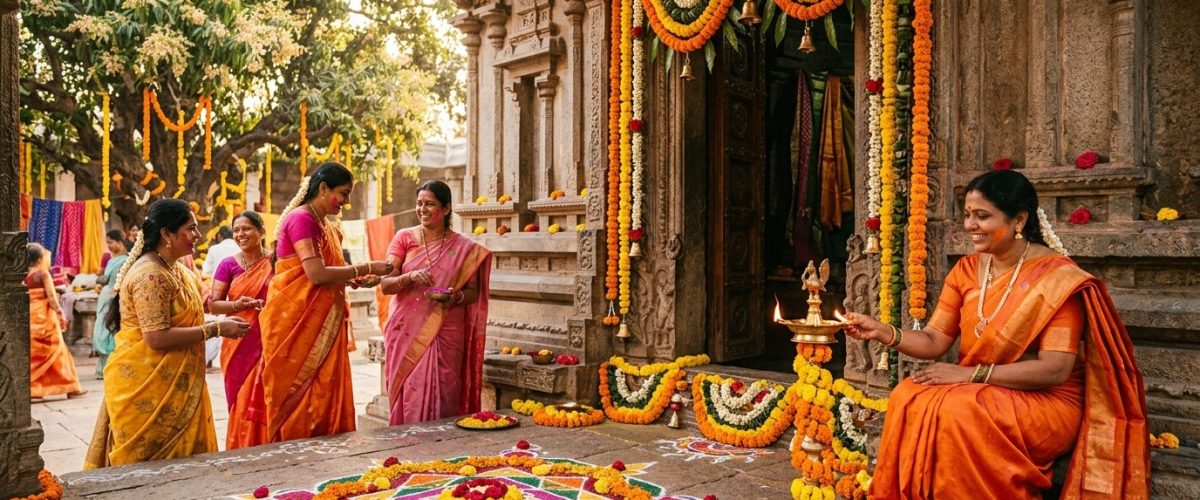
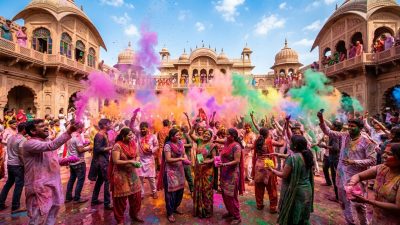
While Holi commands the most global attention among India’s spring celebrations, the weeks following the Festival of Colours usher in a rich tapestry of regional festivals that collectively represent one of the most culturally dense periods in the Indian calendar. March 2026 brings Ugadi and Gudi Padwa (the Telugu and Maharashtrian New Year celebrations), Gangaur (Rajasthan’s festival honouring Goddess Gauri), Chaitra Navratri, and numerous other observances that reflect India’s extraordinary diversity while sharing a common theme: the celebration of renewal, fertility, and the eternal cycle of seasons.
Ugadi and Gudi Padwa: New Beginnings in the South and West
Ugadi, the Telugu and Kannada New Year, and Gudi Padwa, its Maharashtrian counterpart, fall on the first day of the Hindu month of Chaitra. In 2026, this corresponds to the period following Holi, marking the commencement of the Hindu lunisolar new year. Both festivals celebrate the beginning of a new cosmic cycle — a temporal renewal that is echoed in the agricultural cycle of spring planting and the natural world’s visible transformation from winter dormancy to vernal abundance.
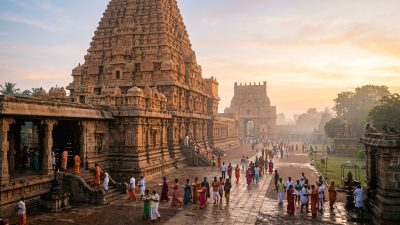
In Andhra Pradesh and Telangana, Ugadi celebrations traditionally begin with the preparation of Ugadi Pachadi — a dish that combines six distinct tastes (sweet, sour, salty, bitter, pungent, and astringent), symbolising the mixture of experiences that the new year will bring. Families gather to listen to the Panchanga Sravanam (the reading of the new year’s almanac), which astrologers deliver at temples and community gatherings. In 2026, several major temples in Hyderabad and Vijayawada hosted elaborate celebrations that drew tens of thousands of devotees.
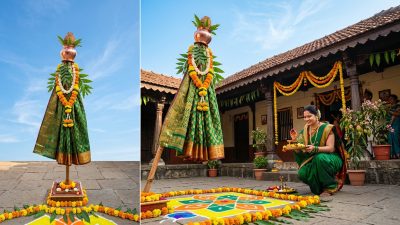
Maharashtra’s Gudi Padwa is distinguished by the iconic Gudi itself — a bright cloth tied to a bamboo pole adorned with a brass or silver vessel, sugar crystals, neem leaves, and a garland, hoisted outside homes as a symbol of victory and prosperity. The streets of Pune, Nagpur, and Mumbai’s traditional Marathi neighbourhoods were transformed with colourful processions, folk performances, and communal feasts. As South Indian cultural influence expands nationally through cinema and media, festivals like Ugadi have also gained visibility among non-Telugu communities, contributing to a broader cultural exchange.
Gangaur: Rajasthan’s Ode to Marital Devotion
Falling on 21 March 2026 (Chaitra Shukla Tritiya), Gangaur is among Rajasthan’s most beloved festivals, honouring Goddess Gauri (Parvati) and celebrating marital harmony. For 18 days following Holi, married women worship clay idols of Gauri and Issar (Shiva), adorning them with fresh flowers, traditional costumes, and ornate jewellery. Unmarried women participate with prayers for a worthy husband. The festival culminates in elaborate processions where the idols are carried through streets accompanied by folk music, dance, and fireworks.
In Jaipur, the Gangaur procession is the year’s most visually spectacular cultural event. Royal palanquins, caparisoned elephants, folk dance troupes, and thousands of women in their finest traditional attire create a moving spectacle that draws both domestic and international tourists. In Udaipur, the festival’s concluding ceremony at Lake Pichola — where the idols are immersed in the lake’s waters against the backdrop of the City Palace — has become one of Rajasthan’s most photographed cultural moments. As India’s cultural tourism landmarks receive upgrades, Gangaur celebrations have also benefited from improved infrastructure and visitor management.
Chaitra Navratri: Nine Nights of Devotion
The Chaitra Navratri commences on the first day of Chaitra and culminates in Ram Navami, the celebration of Lord Rama’s birth. While the autumn Navratri (Sharad Navratri) receives greater national attention, the spring observance holds equal religious significance, particularly in North India. Devotees observe nine days of fasting and prayer, with each day dedicated to a different manifestation of Goddess Durga.
In 2026, Chaitra Navratri has seen increased participation among younger demographics, driven in part by social media communities that share fasting recipes, devotional music, and spiritual content. The festival’s emphasis on inner purification and spiritual discipline resonates with the growing wellness culture among urban Indians, creating unexpected alignments between ancient religious practice and contemporary lifestyle aspirations.
Lesser-Known Celebrations: Chaitanya Mahaprabhu Jayanti and Matsya Jayanti
March 2026’s festival calendar extends well beyond the headline celebrations. Chaitanya Mahaprabhu Jayanti (3 March), coinciding with Holi, commemorates the birth of the 15th-century Bengali saint whose devotional movement profoundly shaped the practice of Vaishnavism. Dol Purnima, celebrated on the same date in Bengal, mirrors Holi with its own tradition of colour play, but centred on the worship of Radha and Krishna.
Matsya Jayanti (21 March) honours the fish avatar of Lord Vishnu, while Lakshmi Jayanti (3 March) celebrates the birth of the goddess of wealth and prosperity. These observances, while not commanding the same scale of celebration as Holi or Ugadi, form the connective tissue of India’s festival culture — ensuring that virtually every day of the spring season carries some ritual significance for at least some community.
The Economics of Festival Season
India’s spring festival season represents one of the year’s most significant consumption peaks. Retail spending on clothing, jewellery, electronics, and home furnishings surges during the New Year celebrations, while the food and beverage sector benefits from the preparation of traditional festival cuisine. In 2026, e-commerce platforms reported a 40 per cent increase in ethnic wear purchases during the week preceding Ugadi and Gudi Padwa, confirming that traditional festivals continue to drive significant economic activity even in the digital era.
For India’s cultural heritage, the continued vitality of spring festivals in 2026 offers reassurance. Despite the disruptions of urbanisation, digital culture, and shifting social norms, these celebrations endure because they address fundamental human needs: the need for community, for connection with tradition, for marking the passage of time with meaning. As India’s literary culture explores themes of identity and heritage, the festivals of spring serve as living texts — embodying in practice what writers and artists seek to capture in words and images.
The spring of 2026, in all its festive abundance, affirms that India’s cultural diversity is not merely a historical inheritance but a living, evolving, and deeply cherished reality.

- Northeast India Emerges as 2026’s Hottest Travel Destination as Jorhat-Majuli Searches Spike - March 25, 2026
- Mamaearth, boAt, and Noise: How India’s D2C Champions Are Chasing Profitability in 2026 - March 24, 2026
- India’s D2C Brands Bet Big on Offline Expansion as Quick Commerce Reshapes the Playbook - March 24, 2026