Bollywood Box Office 2026: Why Hindi Cinema Is Betting Big on Franchise Films and Biopics

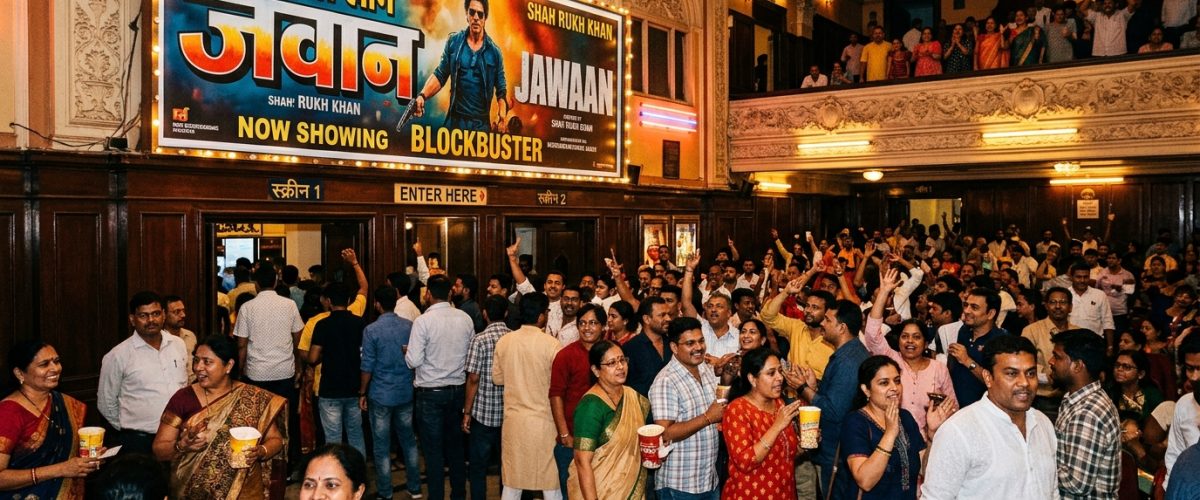
The Bollywood box office in 2026 is telling a clear story: franchises and biopics are dominating the theatrical market while standalone mid-budget dramas increasingly migrate to streaming platforms. Hindi cinema’s most significant commercial successes this year have been sequels, franchise extensions, and biographical films based on real events and public figures. The shift reflects deeper changes in how Indian audiences choose where and what to watch — and the film industry’s strategic response to a market that no longer looks like it did even five years ago.
Bollywood Box Office 2026: Franchise Films Lead the Charge
The numbers confirm the franchise strategy. Among the top 10 highest-grossing Hindi films of 2026 so far, seven are either sequels, prequels, or entries in established cinematic universes. Audiences are demonstrating a clear preference for films with built-in brand recognition — characters they already know, worlds they have already visited, and storytelling that rewards loyalty.
This mirrors a global trend that Hollywood has followed for over a decade, but its manifestation in Bollywood carries distinctive Indian characteristics. Franchises such as the Singham universe, now spanning multiple characters and timelines, blend the masala entertainment format with increasingly sophisticated visual effects and interconnected narratives. The commercial logic is simple: franchise entries carry lower marketing risk because audiences arrive with pre-existing awareness and emotional investment.
Independent and mid-budget films, by contrast, are finding theatrical success increasingly elusive. Several critically acclaimed films in early 2026 opened to modest collections and reached profitability only after their streaming premieres. The evolving entertainment landscape has effectively created a two-tier theatrical market: big-budget tentpoles that justify the cinema experience and everything else that audiences prefer to watch at home.
Biopics: India’s Favourite Genre Shows No Signs of Fatigue
Biographical films remain Bollywood’s most consistent genre at the box office. Indian audiences have shown an enduring appetite for stories based on real people — sports heroes, freedom fighters, business leaders, and cultural icons. In 2026, at least four major biopics have either released or are scheduled, covering subjects ranging from Olympic medallists to pioneering scientists.
The appeal is partly aspirational. India’s biopic trend draws on the country’s deep tradition of storytelling about exemplary lives, updated for a generation that wants these stories told with cinematic ambition and emotional authenticity. The genre also benefits from the built-in publicity of depicting public figures whose stories are already known, reducing the need for expensive awareness campaigns.
Critics note that the genre risks creative fatigue if studios prioritise commercial safety over artistic innovation. The best biopics of recent years — those that found both critical and commercial success — have taken creative liberties with narrative structure and visual storytelling rather than simply recounting facts in chronological order.
OTT vs Theatrical: The New Economics of Hindi Cinema
The relationship between theatrical releases and streaming platforms has evolved from competition to codependence. Every major Bollywood production now has a pre-negotiated OTT deal that guarantees a streaming window — typically four to eight weeks after theatrical release. For many films, the OTT licensing fee covers a significant portion of the production budget, reducing the financial risk of theatrical underperformance.
This safety net has changed creative and commercial calculations. Producers are more willing to greenlight ambitious projects knowing that streaming revenue provides a floor. However, it has also made some studios complacent about theatrical marketing, leading to weaker opening weekends for films that might have performed better with stronger promotional campaigns.
The data suggests that theatrical audiences are becoming more selective. Films need to offer an experience that justifies leaving home — spectacular visuals, immersive sound design, star power, or the communal excitement of watching a franchise event. As streaming platforms expand their original content libraries, the bar for theatrical viewing continues to rise.
Regional Competition Reshapes Bollywood’s National Ambitions
Telugu, Tamil, Kannada, and Malayalam cinema continue to challenge Hindi films for pan-Indian box office share. The success of dubbed and multilingual releases from southern industries has permanently altered the competitive landscape. In 2026, at least three Telugu-origin films have outperformed major Hindi releases at the national box office.
Bollywood’s response has been threefold. First, increased collaboration with southern talent — directors, composers, and actors who bring craft and audience appeal. Second, more Hindi films being simultaneously released in multiple Indian languages. Third, a focus on spectacle and franchise building that can compete with the visual ambition and scale that southern blockbusters have established as the industry standard.
The net effect is positive for Indian audiences, who now have access to a wider range of high-quality cinema than at any previous point. For Bollywood specifically, the competition has forced a quality upgrade that benefits the industry’s long-term creative health.
AI and Technology Transform Film Production
Behind the scenes, artificial intelligence is reshaping Bollywood’s production processes. Visual effects studios in Mumbai are using AI-assisted tools for de-aging, crowd replication, and background generation that previously required armies of manual compositors. The result is better effects at lower cost, enabling mid-budget films to achieve visual standards that were previously exclusive to blockbusters.
AI-powered dubbing technology is also accelerating the creation of multilingual releases. Companies such as Dubverse and Murf AI can now produce lip-synced dubs in multiple Indian languages within days rather than weeks, making pan-India distribution logistically and financially viable for a broader range of films. The AI technology revolution is directly impacting creative industries like cinema.
Script analysis tools powered by large language models are being used by some studios to evaluate narrative structure, audience appeal, and commercial viability at the development stage. While creative decisions ultimately remain with human filmmakers, these tools provide data-driven insights that can inform greenlighting decisions and marketing strategies.
What Lies Ahead for Bollywood
The second half of 2026 promises a packed release calendar with several high-profile franchise entries and star-driven vehicles. Diwali and Christmas windows will see intense competition for screens and audience attention. The industry’s health will be measured not just by top-line box office numbers but by whether the theatrical ecosystem can sustain a diverse range of films or becomes exclusively the domain of franchise spectacles.
For Hindi cinema, 2026 is a year of strategic adaptation. The studios that thrive will be those that understand their audience has fundamentally changed — more choice, higher standards, and less patience for mediocrity. In that environment, franchise familiarity and biographical authenticity offer commercial safety, but the industry’s creative future depends on continuing to take risks alongside the sure bets.

- Bollywood Box Office 2026: Why Hindi Cinema Is Betting Big on Franchise Films and Biopics - March 26, 2026
- ISL 2026: Mohun Bagan Super Giant Dominate as Indian Football Eyes FIFA 2027 Qualifiers - March 26, 2026
- ESFI Opens National Esports Championships 2026 to Select India’s Squad for Asian Games - March 25, 2026