Millet Recipes Go Mainstream: 10 Innovative Dishes Indian Home Cooks Are Trying in 2026

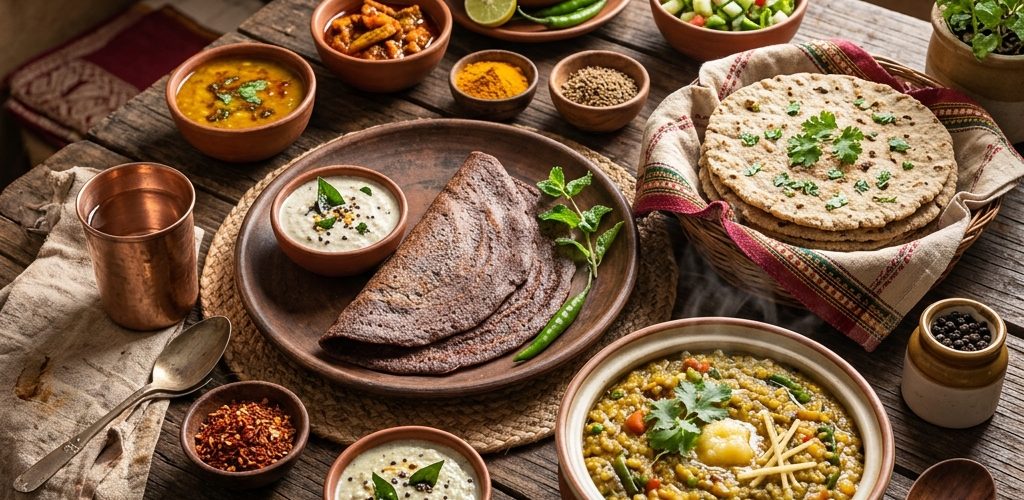
The millet revolution in Indian kitchens has moved decisively from niche health trend to mainstream culinary movement. In 2026, two years after the United Nations International Year of Millets brought unprecedented global attention to these ancient grains, Indian home cooks are embracing ragi, jowar, bajra, foxtail millet, and little millet with a creativity and enthusiasm that is reshaping the nation’s daily food culture. From innovative breakfast preparations to gourmet dinner dishes, millets are proving that nutritious eating need not come at the cost of flavour, variety, or the comfort of familiar Indian tastes.
Why Millets Are Having Their Moment
The factors driving millet adoption in Indian homes in 2026 are both practical and cultural. Nutritionally, millets offer a compelling profile: they are rich in dietary fibre, iron, calcium, and B vitamins, have a lower glycaemic index than rice and wheat, and are naturally gluten-free — attributes that resonate with a population increasingly aware of lifestyle diseases such as diabetes, hypertension, and obesity. India’s diabetic population, estimated at over 100 million in 2026, has been a particularly receptive audience for millet-based dietary alternatives.
Culturally, millets represent a return to ancestral foodways. Before the Green Revolution of the 1960s and 1970s prioritised rice and wheat production, millets were staple crops across vast swathes of India — from the ragi-eating regions of Karnataka and Tamil Nadu to the bajra-consuming communities of Rajasthan and Gujarat. The current revival is, in many ways, a rediscovery of what Indian grandmothers always knew: that these grains are hardy, nutritious, and deeply satisfying.
10 Innovative Millet Dishes Trending in Indian Homes
1. Ragi Banana Pancakes: A breakfast favourite blending ragi flour with mashed bananas, a touch of jaggery, and cardamom. The result is a naturally sweet, iron-rich pancake that children love and parents approve of — a healthier alternative to maida-based pancakes that requires no refined sugar.
2. Jowar Masala Khichdi: The classic Indian comfort food reimagined with jowar (sorghum) replacing rice. Tempered with ghee, cumin, and curry leaves, and loaded with seasonal vegetables, this one-pot meal is a high-fibre, protein-rich weeknight dinner that cooks in under 30 minutes.
3. Foxtail Millet Lemon Rice: South India’s beloved chitranna gets a millet makeover. Cooked foxtail millet, tossed with a tempering of mustard seeds, curry leaves, peanuts, and a generous squeeze of lemon, delivers the familiar tang with enhanced nutritional density. The millet’s slightly nutty flavour adds a dimension that plain rice lacks.
4. Bajra Roti with Garlic Chutney: A traditional Rajasthani staple that is finding new audiences in urban kitchens. The robust, earthy flavour of bajra (pearl millet) flour, rolled into thick rotis and paired with a fiery garlic-based chutney and white butter, is a winter comfort food par excellence — now appreciated year-round for its warming, high-energy properties.
5. Little Millet Biryani: The most ambitious millet adaptation — a full-blown biryani where little millet replaces basmati rice. Layered with aromatic spices, fried onions, saffron-infused milk, and slow-cooked vegetables or meat, this dish has become a showstopper at dinner parties, proving that millets can hold their own in India’s most celebrated rice preparation.
Five More Innovations Making Waves
6. Ragi Chocolate Lava Cake: A dessert that bridges indulgence and nutrition. Ragi flour, combined with dark cocoa, eggs, and a modest amount of coconut sugar, produces a moist, rich lava cake that satisfies chocolate cravings while delivering calcium and iron. The recipe has gone viral on Indian food Instagram, with over 50,000 versions shared under dedicated hashtags.
7. Kodo Millet Upma: South Indian tiffin culture embraces millets with this simple breakfast preparation. Kodo millet, cooked with a standard upma tempering of mustard seeds, urad dal, green chillies, and grated coconut, offers a lighter alternative to rava upma with superior nutritional content. The preparation is forgiving, making it ideal for millet beginners.
8. Jowar Pizza Base: The intersection of millet and global comfort food. Jowar flour, combined with a small proportion of wheat flour for binding, produces a crisp, thin pizza base that carries toppings effectively while adding the grain’s distinctive nutty undertone. Several home bakers have launched cottage businesses selling frozen jowar pizza bases through Instagram and WhatsApp groups.
9. Barnyard Millet Pulao: Barnyard millet (sanwa) cooks quickly and absorbs flavours beautifully, making it an excellent medium for the aromatic spiced pulao that features on most Indian dinner tables. Paired with raita and a simple dal, it constitutes a balanced, diabetes-friendly meal that requires no radical departure from familiar eating patterns.
10. Foxtail Millet Payasam: The traditional South Indian dessert, typically made with rice or vermicelli, adapts gracefully to foxtail millet. Slow-cooked in milk with jaggery, cardamom, cashews, and raisins, the payasam retains its ceremonial significance while offering the health benefits associated with millet consumption — a perfect example of innovation within tradition.
The Commercial Millet Ecosystem in 2026
Supporting the home cooking revolution is a rapidly maturing commercial ecosystem. Brands such as Slurrp Farm, True Elements, Millet Amma, and Kiru have expanded their retail presence, offering ready-to-cook millet mixes, millet-based snacks, and millet pasta in mainstream supermarkets and on e-commerce platforms. FMCG giants including ITC, Tata Consumer Products, and Marico have launched dedicated millet product lines, signalling that the category has achieved the scale to justify mass-market investment. This growth in health-conscious food products aligns with the broader Ayurvedic and wellness diet trends reshaping Indian food culture.
The government continues to support the millet movement through subsidised procurement, inclusion of millets in the Public Distribution System and mid-day meal programmes, and promotional campaigns featuring celebrity endorsements and regional cooking competitions. The Indian Institute of Millets Research in Hyderabad has released new high-yielding, pest-resistant varieties of ragi, jowar, and bajra in 2026, addressing supply-side constraints that had previously limited availability in urban markets.
Tips for Home Cooks Starting Their Millet Journey
For those new to millet cooking, experts recommend starting with familiar formats — replacing rice in khichdi, pulao, or upma — rather than attempting entirely new dishes. Soaking millets for 15-30 minutes before cooking improves texture and reduces cooking time. A 1:2.5 grain-to-water ratio works well for most millets, though adjustment may be needed based on variety and desired consistency. Those interested in exploring how traditional Indian dietary wisdom informs modern wellness practices may also enjoy learning about Chettinad cuisine’s bold regional traditions that have used local grains for centuries.
A Grain Revolution for the Nation’s Health
The millet renaissance in Indian kitchens in 2026 is a story of reconciliation — between modernity and tradition, between taste and nutrition, between global food trends and indigenous agricultural wisdom. As Indian home cooks demonstrate with growing confidence that millets can be delicious, versatile, and deeply satisfying, the nation is rediscovering a dietary heritage that sustained its people for millennia. In every ragi pancake flipped at breakfast and every jowar khichdi simmered for dinner, a small but significant act of cultural and nutritional reclamation is taking place — one that promises a healthier future for a nation that has always understood, at its deepest level, that food is medicine and the kitchen is the first pharmacy. This culinary evolution resonates with India’s creative renaissance across all cultural domains in 2026.

- India’s Millet Recipe Revolution Reaches Peak as Government Push Meets Social Media Creativity in 2026 - March 28, 2026
- Regional Indian Cuisine Goes Mainstream: How Forgotten Flavours Are Conquering Urban Menus in 2026 - March 27, 2026
- Street Food Revolution: How India’s Chaat and Momos Vendors Are Going Digital in 2026 - March 26, 2026