Life After the Fantasy Sports Ban: How India’s Gaming Landscape Is Reshaping Without Dream11 and MPL

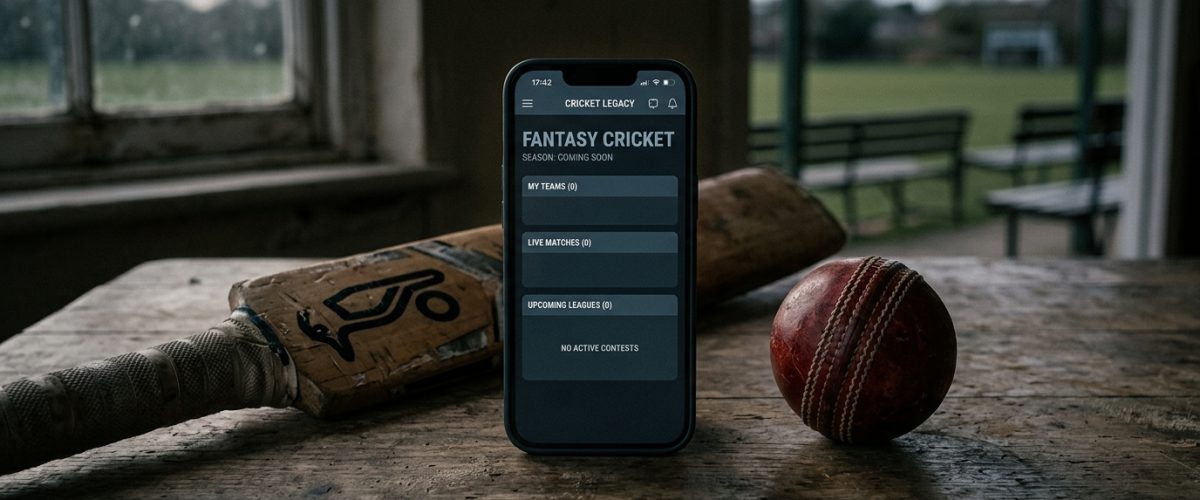
Seven months after the Indian government’s sweeping ban on fantasy sports in August 2025, the landscape of online gaming in India has shifted in ways both predictable and surprising. The absence of Dream11, MPL, My11Circle, and their competitors has left a void in India’s digital entertainment ecosystem — but it has also catalysed adaptation, innovation, and a broader rethinking of how online gaming intersects with regulation, consumer protection, and sporting culture.
The Advertising Vacuum in Indian Sport
Perhaps the most immediately visible impact of the fantasy sports ban has been on sports broadcasting and sponsorship. Fantasy sports platforms were among the largest advertisers in Indian sport, with their logos adorning team jerseys, stadium hoardings, and broadcast overlays. The IPL alone had benefited from hundreds of crores in fantasy sports-related sponsorship, and the removal of this revenue stream has forced sports properties to diversify their commercial partnerships.
The advertising vacuum has been partially filled by other gaming companies, fintech platforms, and e-commerce brands, but the quantum of fantasy sports advertising has not been fully replaced. This has had downstream effects on broadcast rights valuations, sports media revenue, and the commercial viability of smaller sporting properties that relied disproportionately on fantasy sports sponsorship. The IPL’s franchise ecosystem, which had integrated fantasy engagement into its commercial strategy, has had to recalibrate.
Fan Engagement Without Fantasy: A New Normal
Fantasy sports had become deeply embedded in how Indian fans engaged with live sport. The act of selecting a fantasy team before a match — analysing player form, studying conditions, making strategic substitutions — added a layer of personal investment to sports viewing that enhanced the fan experience. The ban has removed this engagement mechanism, and sports broadcasters and leagues are actively seeking alternatives.
Free-to-play prediction games, trivia contests, and social media engagement campaigns have emerged as partial substitutes. Some platforms have introduced free fantasy-style games that do not involve real-money stakes, maintaining the analytical engagement while removing the financial element that prompted the ban. These alternatives, while less commercially valuable than their real-money predecessors, demonstrate the fundamental appeal of interactive, knowledge-based sports engagement.
The Talent Migration
The fantasy sports industry had attracted some of India’s best technology talent — engineers, data scientists, product managers, and designers who built sophisticated platforms capable of handling millions of concurrent users during peak sporting events. The ban displaced this talent pool, but it has not been idle.
Many former fantasy sports professionals have transitioned to adjacent sectors. Esports organisations have absorbed talent with experience in gaming operations and event management. Sports analytics companies have recruited data scientists whose skills in modelling player performance are directly transferable. Gaming studios, both domestic and international, have hired developers whose experience building real-time, high-traffic platforms is invaluable.
The broader mobile gaming industry, which continues to grow despite the fantasy sports ban, has been a significant beneficiary of this talent migration. The skills developed in building, scaling, and monetising fantasy sports platforms are applicable across the gaming industry, and their diffusion has strengthened the overall ecosystem.
Legal Proceedings: The Courts Decide
The legal challenges to the fantasy sports ban, filed by multiple companies and industry associations, remain active in 2026. The cases, being heard in various high courts and the Supreme Court, involve complex questions about constitutional rights, regulatory authority, and the definition of skill-based gaming versus gambling.
Legal observers note that the outcome is far from certain. Previous court rulings had consistently upheld the classification of fantasy sports as games of skill, but the government’s counter-arguments regarding consumer protection, addiction, and the social impact of real-money gaming are substantial. The proceedings are being closely watched not only by the gaming industry but by the broader technology sector, as the principles established could influence regulation across digital industries.
International Comparisons: How Other Markets Handle Fantasy Sports
India’s outright ban places it among the more restrictive jurisdictions globally regarding fantasy sports. In the United States, fantasy sports operate under specific regulatory frameworks that vary by state, with the 2006 Unlawful Internet Gambling Enforcement Act explicitly exempting fantasy sports from its definition of gambling. The United Kingdom, Australia, and several European nations allow fantasy sports under regulated conditions, with consumer protection measures including deposit limits and responsible gaming tools.
These international models suggest that a middle path between unfettered operation and outright prohibition is possible. Industry advocates in India have pointed to these examples as evidence that regulation, rather than banning, could address the government’s concerns while preserving the economic benefits and consumer choice that the industry provided.
The Impact on Smaller Sports
An underappreciated impact of the fantasy sports ban has been on smaller sports in India. Fantasy platforms had begun to expand beyond cricket and football into kabaddi, hockey, basketball, and other sports, providing these disciplines with commercial exposure and fan engagement that they had not previously enjoyed. The ban has reduced this diversification, potentially concentrating fan and commercial attention back towards cricket at the expense of India’s broader sporting ecosystem.
What Comes Next?
The future of fantasy sports in India depends on the intersection of legal rulings, political will, and industry adaptation. If the courts strike down the ban or if the government introduces a regulatory framework that allows regulated operation, the industry could revive — likely in a more cautious, consumer-protective form. If the ban is upheld, the industry’s capital, talent, and innovation will continue to be redirected into other areas of India’s digital economy.
A Defining Moment for Digital India
The fantasy sports ban is, at its core, a defining moment for how India navigates the opportunities and challenges of its digital economy. It raises fundamental questions about the balance between innovation and regulation, consumer choice and protection, economic growth and social welfare. How India answers these questions — through courts, policy, and public discourse — will shape not just the future of fantasy sports but the broader trajectory of digital entrepreneurship in the world’s largest democracy. The stakes, like the prizes that once animated millions of fantasy sports participants, are enormous.

- Bollywood Box Office 2026: Why Hindi Cinema Is Betting Big on Franchise Films and Biopics - March 26, 2026
- ISL 2026: Mohun Bagan Super Giant Dominate as Indian Football Eyes FIFA 2027 Qualifiers - March 26, 2026
- ESFI Opens National Esports Championships 2026 to Select India’s Squad for Asian Games - March 25, 2026