India’s First Indigenous Antibiotic Nafithromycin Marks a New Era in Homegrown Drug Discovery

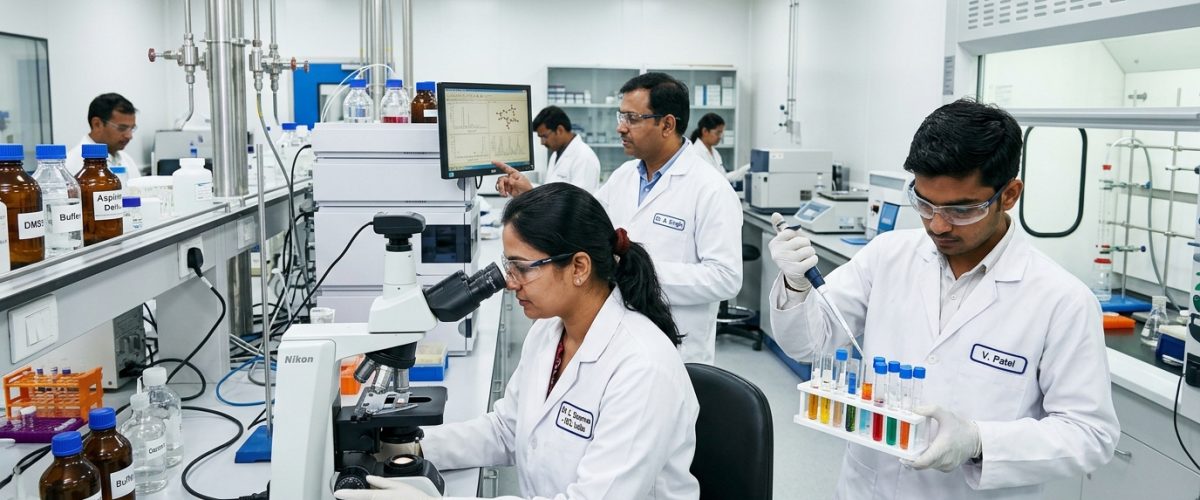
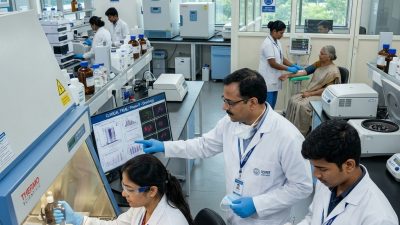
India has achieved a watershed moment in pharmaceutical innovation with the development and regulatory approval of Nafithromycin — the country’s first indigenously discovered antibiotic. The milestone, announced by the Department of Science and Technology, marks the culmination of over a decade of research and positions India among a select group of nations capable of end-to-end antibiotic development, from molecular discovery through clinical trials to market authorisation.
Breaking New Ground in Antibiotic Research
Nafithromycin belongs to the macrolide class of antibiotics and has been developed by Wockhardt Limited, one of India’s leading pharmaceutical companies, through its proprietary drug discovery programme. The antibiotic has demonstrated potent activity against community-acquired bacterial pneumonia (CABP), a condition that remains among the leading causes of hospitalisation and mortality in India, particularly among children under five and adults over sixty.
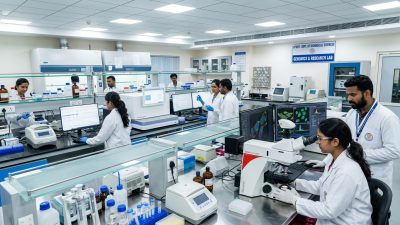
What makes Nafithromycin particularly significant is not merely its clinical efficacy but its provenance. Unlike the vast majority of drugs sold in India — which are generic versions of molecules originally developed in the United States, Europe, or Japan — Nafithromycin was conceived, synthesised, and clinically validated within India. The molecule was designed using structure-activity relationship studies conducted at Wockhardt’s research centre in Aurangabad, Maharashtra, and progressed through all phases of clinical trials at Indian medical institutions.
“For decades, India has been the pharmacy of the world — manufacturing and distributing drugs discovered elsewhere,” said Dr. Jitendra Singh, Union Minister of State for Science and Technology. “With Nafithromycin, India demonstrates that it can also be the laboratory of the world — discovering original therapeutic solutions for global health challenges.”
Addressing the Antimicrobial Resistance Crisis
The development of Nafithromycin arrives at a moment of acute global concern over antimicrobial resistance (AMR), which the World Health Organisation has designated as one of the top ten threats to global health. The overuse and misuse of existing antibiotics has accelerated the emergence of drug-resistant bacteria, rendering many first-line treatments ineffective and driving demand for novel antimicrobial agents.
India bears a disproportionate burden of AMR. A 2025 study published in The Lancet estimated that India accounts for approximately 25 per cent of global deaths attributable to antimicrobial resistance, driven by factors including high infectious disease prevalence, over-the-counter antibiotic availability, inadequate sanitation, and limited diagnostic capacity that leads to empirical antibiotic prescribing.
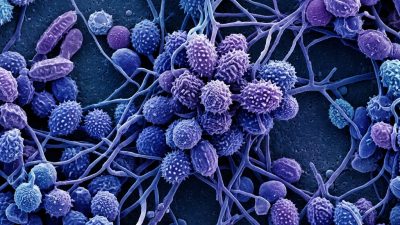
Nafithromycin’s clinical trials demonstrated efficacy against several bacterial strains that have developed resistance to older macrolides such as azithromycin and clarithromycin. The drug’s pharmacokinetic profile — including high tissue concentration and a short three-day treatment course — offers advantages in terms of patient compliance and potentially reduced selective pressure for resistance development.
The Long Road from Molecule to Market
The development of Nafithromycin spanned approximately 15 years and involved an investment that Wockhardt has described as being in the hundreds of crores of rupees — substantial by Indian standards but modest compared to the $1-2 billion typically required for antibiotic development by Western pharmaceutical companies. The disparity in costs reflects both the lower operational expenses of conducting research and clinical trials in India and the creative efficiency that Indian research teams have demonstrated in navigating the drug development process.
The molecule underwent Phase I trials for safety profiling, followed by Phase II dose-ranging studies and Phase III efficacy trials comparing Nafithromycin against established standard-of-care treatments. The regulatory pathway was facilitated by the Central Drugs Standard Control Organisation (CDSCO), which has been modernising its approval processes to better accommodate innovative drug development while maintaining stringent safety standards.
The achievement underscores the importance of sustained investment in indigenous research capabilities, a theme that resonates across India’s scientific landscape — from ISRO’s space science training programmes building the next generation of scientists to breakthrough work in quantum computing and semiconductor design.
Implications for India’s Pharmaceutical Strategy
Nafithromycin’s approval has catalysed a broader conversation about the future direction of India’s pharmaceutical industry, which has traditionally been dominated by generic manufacturing. While generics have been essential in making affordable medicines available to billions of people worldwide — a role that India should continue to play — the Nafithromycin success suggests that the country possesses the scientific talent, institutional capability, and market understanding to also become a significant originator of novel therapeutics.
The government has signalled its support for this transition through several policy initiatives. The National Biopharma Mission, funded with ₹1,500 crore, is supporting early-stage drug discovery programmes at academic institutions and start-ups. The Biotechnology Industry Research Assistance Council (BIRAC) has expanded its funding for antibiotic discovery, recognising the commercial challenge of developing drugs for infectious diseases where treatment courses are short and pricing pressures are intense.
“The economics of antibiotic development are notoriously challenging,” acknowledged Dr. Habil Khorakiwala, founder chairman of Wockhardt. “Unlike chronic disease medications taken for years, antibiotics are used for days. But the public health value is immeasurable, and governments must create incentive structures that make antibiotic innovation commercially viable.”
Global Recognition and Export Potential
Nafithromycin has attracted attention from international health organisations and regulatory agencies. Wockhardt has indicated plans to seek approval in additional markets, including the United States and European Union, though the timeline will depend on the requirements for supplementary clinical data and the willingness of Western regulators to accept Indian clinical trial results at face value — a long-standing point of contention in global pharmaceutical regulation.
The WHO’s essential medicines list review committee is reportedly evaluating whether Nafithromycin merits inclusion in future revisions of the list, which would significantly enhance the drug’s accessibility in low- and middle-income countries where the burden of bacterial pneumonia is highest.
A Signal for Indian Science
Beyond its immediate clinical and commercial significance, Nafithromycin serves as a powerful symbol of India’s evolving scientific identity. The drug’s journey from a research hypothesis to a regulated medical product demonstrates that India’s scientific ecosystem — encompassing academic institutions, public research laboratories, private R&D centres, and regulatory bodies — is capable of delivering innovation that meets global standards.
This accomplishment joins a growing list of Indian scientific achievements, from the country’s environmental policy innovations to its space exploration milestones, that collectively redefine the nation’s profile in the global knowledge economy. As India’s research ecosystem continues to mature, Nafithromycin may well be remembered not as an isolated triumph but as the harbinger of a new era in Indian pharmaceutical innovation.

- India’s AI Impact Summit 2026 Signals a Shift From Prototypes to Real-World Deployment - March 25, 2026
- New Heavy Particle Discovered at CERN in 2026: What It Means for the Future of Physics - March 24, 2026
- Gaganyaan 2026: India’s Human Spaceflight Programme Enters Its Most Critical Phase - March 24, 2026