India’s Thomas and Uber Cup 2026 Squads Announced: Lakshya Sen, PV Sindhu, and Satwik-Chirag Headline Strong Selections

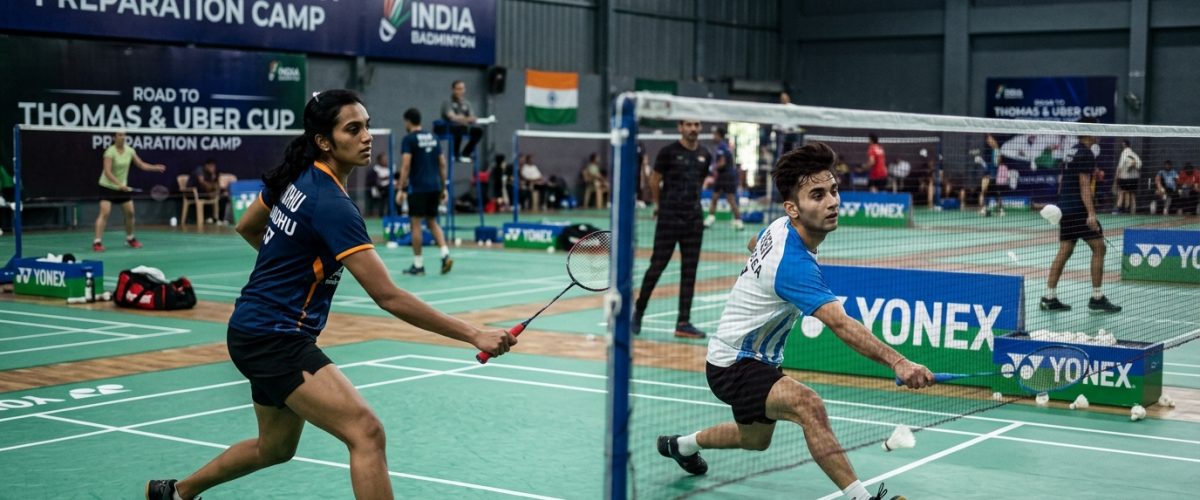
The Badminton Association of India (BAI) has announced the squads for the Thomas and Uber Cup Finals 2026, selecting a formidable blend of experienced campaigners and emerging talent that reflects India’s growing stature in world badminton. The announcement, made on 24 March 2026, confirms that India’s premier shuttlers — Lakshya Sen, PV Sindhu, and the doubles pair of Satwiksairaj Rankireddy and Chirag Shetty — will spearhead the nation’s challenge at one of badminton’s most prestigious team events.
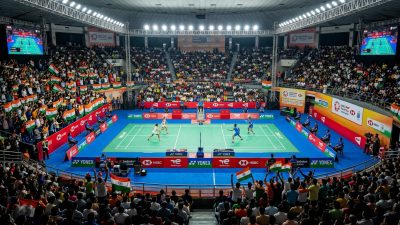
The Thomas Cup (men’s) and Uber Cup (women’s) Finals represent the pinnacle of international team badminton, pitting nations against each other in a format that demands depth, versatility, and the ability to perform under the unique pressure of representing one’s country. India’s selections for both squads signal the BAI’s intent to compete for medals and build on the recent momentum that has seen Indian badminton emerge as a global force.
Men’s Squad: Lakshya Sen and Satwik-Chirag Lead the Charge
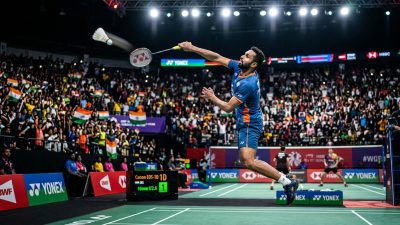
The men’s Thomas Cup squad is headlined by Lakshya Sen, whose 2026 season has been characterised by performances that confirm his status as one of the world’s elite singles players. Sen, still only 24, has the court craft, physical endurance, and mental fortitude that make him a genuine threat against any opponent in the world. His recent All England Championship final appearance — where he pushed eventual champion Lin Chun-Yi to the limit — demonstrated that he is closer than ever to winning a major title.
Sen’s selection as the first singles player in the Thomas Cup squad is automatic and uncontested. His consistency on the BWF World Tour, combined with his proven ability to win matches against top-10 opponents, makes him the linchpin around which India’s campaign will be built. The left-hander’s deceptive strokeplay and improved defensive game have made him a complete player — one who can adapt his tactics to exploit the weaknesses of any opponent.
The doubles department is anchored by the formidable combination of Satwiksairaj Rankireddy and Chirag Shetty, arguably the most successful Indian doubles pair in history. Their aggressive, front-court-dominant style of play has earned them victories against every top pair in the world, and their understanding of each other’s game — forged over years of partnership — makes them virtually interchangeable on court.
The supporting cast in the men’s squad includes several promising players who have been developing rapidly on the international circuit. The depth of Indian men’s badminton has improved significantly in recent years, with the BAI’s investment in training infrastructure and international exposure beginning to yield returns. The ability to field competitive players across all three rubbers — two singles and one doubles in the Thomas Cup format — gives India a genuine chance of progressing deep into the tournament.
Women’s Squad: PV Sindhu’s Experience Anchors India’s Hopes
The Uber Cup squad is led by PV Sindhu, whose name is synonymous with Indian badminton’s rise to global prominence. The Olympic medallist and former World Champion brings an authority and presence to the Indian team that transcends her on-court contributions. Sindhu’s experience in high-pressure team events, combined with her ability to raise her game against the world’s best, makes her selection as the first singles player an obvious choice.
Sindhu’s 2026 season has been one of measured performances, with the veteran player managing her schedule carefully to peak for major events. While the blistering speed and power that characterised her earlier career may have moderated slightly, Sindhu has compensated with improved tactical awareness and a broader repertoire of shots that make her effective across different playing conditions.
The women’s squad also features several young players who represent the future of Indian women’s badminton. The BAI’s development programmes, particularly at the Pullela Gopichand Academy and other national centres of excellence, have produced a generation of players who are technically proficient and physically prepared for the demands of international badminton. Their inclusion in the Uber Cup squad provides invaluable experience and sends a message about the BAI’s commitment to long-term development alongside immediate competitiveness.
The Thomas Cup: India’s Realistic Medal Prospects
India’s Thomas Cup prospects in 2026 are perhaps the brightest they have ever been. The historic Thomas Cup victory in 2022, when India defeated Indonesia in the final, shattered the perception that India was exclusively a singles-focused nation. The 2026 squad, with its blend of world-class singles and doubles talent, has the potential to replicate or even surpass that achievement.
The key to India’s Thomas Cup campaign lies in the doubles department. In team events, the doubles rubbers often prove decisive, and India’s progress in this area — led by Satwik-Chirag but supported by an improving second pair — could be the difference between a quarter-final exit and a medal. The BAI’s decision to invest in doubles coaching, including the appointment of specialist coaches and the creation of dedicated training slots, is bearing fruit at the right time.
The draw for the Thomas Cup will be crucial in determining India’s pathway. Avoiding the traditional powerhouses — Indonesia, China, Japan, and Denmark — in the group stages would provide India with a favourable route to the knockout rounds, where anything can happen in the charged atmosphere of team competition.
Uber Cup: Building for the Future
India’s Uber Cup ambitions are more long-term in nature. While Sindhu’s presence gives India a world-class first singles player, the depth required to compete with the dominant Asian nations — China, Japan, and South Korea — in a team event is still developing. The inclusion of young players in the squad is a deliberate strategy to accelerate this development.
The women’s doubles department remains an area where India lags behind the world’s best. Despite recent improvements, India has yet to produce a women’s doubles pair that can consistently compete at the highest level of international badminton. The BAI has acknowledged this gap and has committed resources to address it, but developing world-class doubles partnerships is a process that typically takes years rather than months.
Coaching and Support Staff: The Team Behind the Team
The Thomas and Uber Cup campaigns will be supported by a coaching team that combines Indian expertise with international experience. The BAI’s investment in support staff — including physiotherapists, strength and conditioning coaches, sports psychologists, and video analysts — reflects the professionalisation of Indian badminton’s approach to major events.
The sports science support available to Indian shuttlers has improved dramatically in recent years, with real-time data analysis, recovery protocols, and nutrition plans tailored to individual players’ needs. This holistic approach to athlete preparation, once the preserve of Western sporting nations, has become standard practice in Indian badminton and has contributed to the reduction in injuries and the extension of playing careers.
What Success Would Mean for Indian Badminton
A strong performance at the Thomas and Uber Cup Finals 2026 would have implications beyond the event itself. It would reinforce India’s credentials as a multi-dimensional badminton power, attract commercial investment into the sport, and inspire the next generation of players currently training in academies across the country.
The timing is significant: Indian sport in 2026 is experiencing a broad renaissance, with achievements across disciplines — from India’s packed 2026 cricket calendar to FC Goa’s record third AIFF Super Cup triumph — creating a culture of sporting excellence that badminton is both contributing to and benefiting from. The Thomas and Uber Cup campaign is another chapter in this compelling narrative of Indian sport’s emergence on the global stage.
As Lakshya Sen, PV Sindhu, Satwik-Chirag, and their teammates prepare for the challenges ahead, Indian badminton fans have every reason for optimism. The squads announced today represent not just the best of Indian badminton in 2026, but a promise of sustained competitiveness in the years to come.

- IPL 2026 Preview: Virat Kohli Fires Warning as League Kicks Off With New Rules and Record Ticket Prices - March 25, 2026
- India’s Fantasy Sports Market Marches Toward ₹50,000 Crore Valuation as Regulation Brings Clarity - March 24, 2026
- Dream11 and IPL 2026: Fantasy Cricket Platforms Reinvent Fan Engagement With AI-Powered Features - March 24, 2026