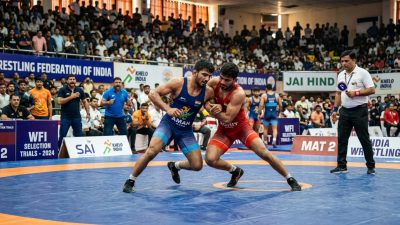
Asian Wrestling Championships 2026: India’s Preparation, Squad, and Medal Targets

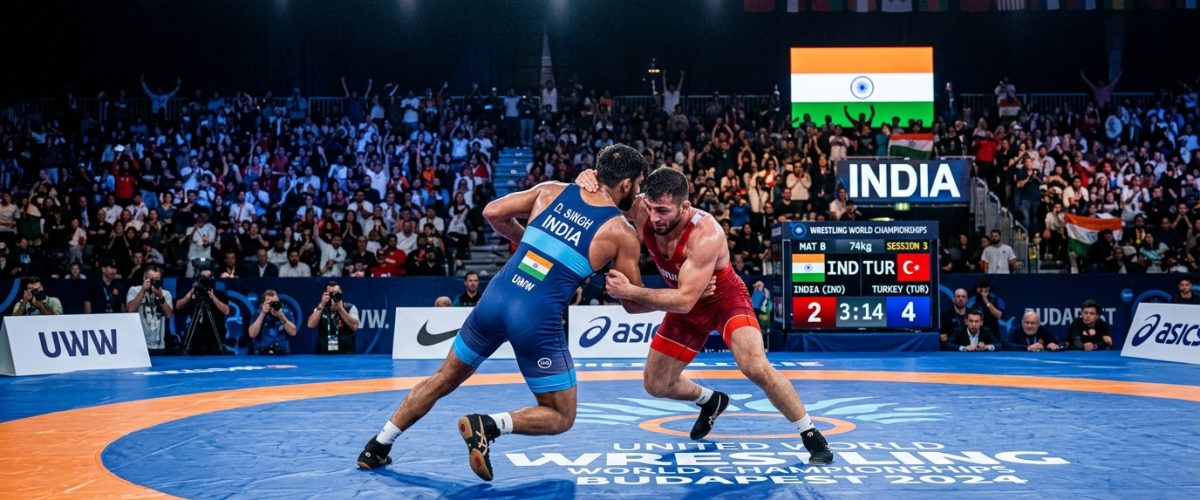
As the Asian Wrestling Championships 2026 approach, India’s wrestling fraternity is gearing up for one of the most important competitions on the calendar. The tournament, which brings together the continent’s finest grapplers across freestyle, Greco-Roman, and women’s wrestling disciplines, serves as a critical preparation milestone and a statement of competitive intent for the World Championships and, ultimately, the 2028 Olympic Games.
Selection Trials and Squad Composition
The Wrestling Federation of India has conducted a series of selection trials to identify the strongest possible squad for the Asian Championships. These trials, held at SAI centres across the country, have been closely watched affairs — with places in the national team fiercely contested in every weight category.
The selection process has been designed to be transparent, with clear criteria based on competitive results and ranking points. This approach represents a conscious effort by the WFI to move beyond the selection controversies that have historically plagued Indian wrestling. The final squad is expected to blend experienced international campaigners with emerging wrestlers who have shown exceptional form in domestic competitions.
Women’s Wrestling: India’s Strongest Suit
Women’s wrestling continues to be India’s most competitive discipline on the international stage. The squad for the Asian Championships is expected to be headlined by wrestlers who have consistently performed at the highest levels, including medal winners from previous World and Continental Championships.
The depth in women’s wrestling is remarkable. In several weight categories, the competition for national team selection has been intense, with multiple wrestlers capable of winning medals at the Asian level. This depth is the product of years of investment in women’s wrestling, starting with the pioneering work of coaches and athletes who established the discipline in India against significant cultural resistance.
Freestyle: Competing with Asia’s Best
In men’s freestyle, India’s challenge is to compete with the traditional Asian wrestling powerhouses. Japan, Iran, Kazakhstan, and Uzbekistan all possess wrestlers of exceptional quality across the weight categories, and India’s success will depend on the ability of their wrestlers to match the technical excellence and tactical sophistication of these opponents.
India’s freestyle programme has been bolstered by the appointment of experienced international coaches who bring fresh tactical perspectives. The emphasis has been on improving the technical aspects of Indian wrestling — particularly in the standing position, where India’s wrestlers have historically been less competitive than their counterparts from Central Asia and the Middle East.
Greco-Roman: The Development Discipline
Greco-Roman wrestling has traditionally been India’s weakest discipline at the international level. However, dedicated efforts to develop the discipline — including specialised coaching, international exposure, and targeted scouting of athletes with the physical attributes suited to Greco-Roman’s unique demands — are beginning to bear fruit.
While medal expectations at the Asian Championships remain modest in Greco-Roman, the goal is to demonstrate measurable improvement and build a competitive foundation for the future. The development of this discipline is part of a holistic approach to Indian wrestling that aims to be competitive across all three Olympic disciplines.
Training Camps and International Exposure
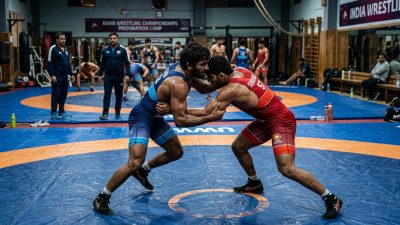
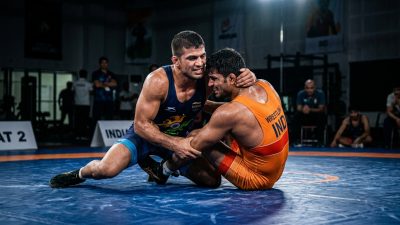
In preparation for the Asian Championships, the WFI has organised training camps at SAI centres and arranged international training stints in countries with strong wrestling traditions. These camps, which include sparring sessions against foreign wrestlers and guidance from international coaches, provide invaluable preparation that domestic training alone cannot replicate.
The Sports Ministry has supported these initiatives financially, recognising the strategic importance of the Asian Championships in the broader Olympic preparation cycle. The investment in international exposure reflects a growing understanding that competing at the highest levels requires preparation that matches the intensity and quality of elite international competition.
Medal Targets and Realistic Expectations
India’s medal targets at the Asian Wrestling Championships are informed by a clear-eyed assessment of the competitive landscape. In women’s wrestling, multiple medals are a realistic expectation given the depth and quality of the Indian squad. In men’s freestyle, targeted medals in specific weight categories where India has historically excelled are the goal. In Greco-Roman, improved results relative to recent championships would represent success.
The overall target is to finish among the top three nations in the medal tally — a benchmark that India has achieved at previous Asian Championships and that would confirm the nation’s status as a continental wrestling power. Achieving this target would also provide momentum heading into the World Championships later in the year.
Beyond the Championships: The Bigger Picture
The Asian Wrestling Championships are important not only in their own right but as part of the broader narrative of Indian wrestling’s recovery and resurgence. Strong performances in the tournament would validate the administrative reforms, the investment in coaching and infrastructure, and the resilience of the athletes themselves.
For Indian sport, wrestling remains one of the most reliable sources of international medals. The discipline, determination, and raw physical talent of Indian wrestlers — qualities that resonate with the same fighting spirit visible across Indian sport from the women’s hockey team’s World Cup qualifier campaign to the badminton court exploits of Lakshya Sen — ensure that the mat remains a stage where India punches above its weight on the global stage.

- Bollywood Box Office 2026: Why Hindi Cinema Is Betting Big on Franchise Films and Biopics - March 26, 2026
- ISL 2026: Mohun Bagan Super Giant Dominate as Indian Football Eyes FIFA 2027 Qualifiers - March 26, 2026
- ESFI Opens National Esports Championships 2026 to Select India’s Squad for Asian Games - March 25, 2026