Andaman Islands and Lakshadweep Witness Surge in Eco-Tourism as India’s Island Destinations Go Premium

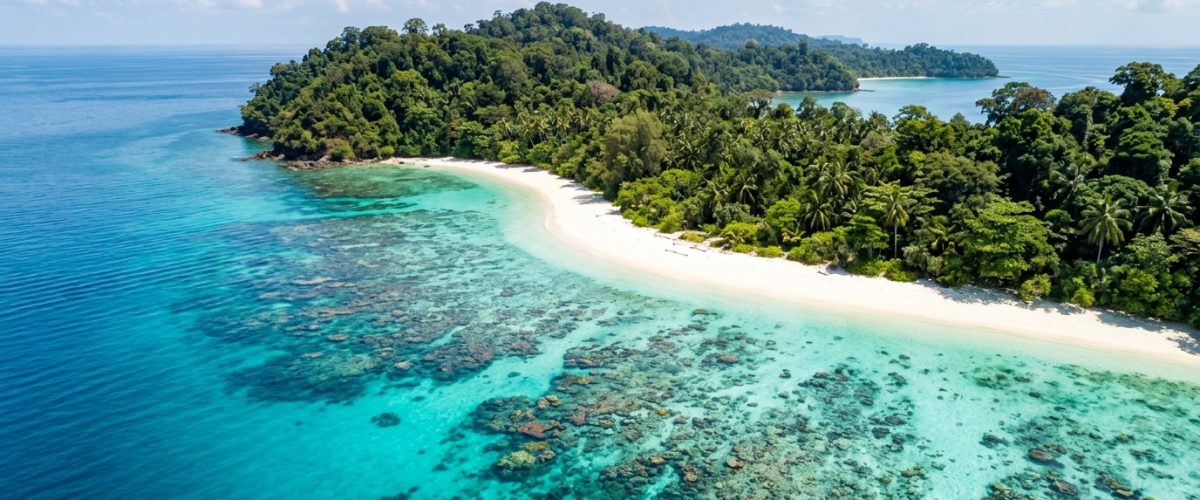
India’s island territories — the Andaman and Nicobar Islands and Lakshadweep — are experiencing a remarkable transformation from remote, under-visited destinations into some of Asia’s most sought-after eco-tourism hotspots. The surge in visitor interest, driven by growing awareness of the islands’ extraordinary natural beauty, strategic government investment in sustainable tourism infrastructure, and a post-pandemic desire among travellers for pristine, uncrowded destinations, is positioning India’s islands as legitimate alternatives to the Maldives, Seychelles, and French Polynesia.
The Andaman Renaissance
The Andaman and Nicobar Islands, an archipelago of 572 islands in the Bay of Bengal, have witnessed a tourism transformation that would have been difficult to imagine a decade ago. Visitor numbers to the islands surpassed 800,000 in 2025, and projections for 2026 suggest the one-million mark may be within reach — a remarkable figure for a destination that welcomed fewer than 300,000 visitors annually as recently as 2015.
The growth has been catalysed by several developments. Air connectivity has improved significantly, with direct flights from Delhi, Mumbai, Kolkata, Chennai, and Bengaluru now operating to Port Blair’s Veer Savarkar International Airport. The introduction of larger aircraft on key routes has reduced fare volatility, making the islands more accessible to mid-range travellers. Inter-island ferry services have been upgraded with modern, high-speed vessels that have cut travel times between Port Blair and popular destinations such as Havelock Island (Swaraj Dweep) and Neil Island (Shaheed Dweep).
Havelock Island’s Radhanagar Beach, consistently ranked among Asia’s finest, has become the islands’ signature attraction, but the tourism map is expanding. Baratang Island, with its limestone caves and mud volcanoes; Long Island, with its secluded beaches; and the Ross and Smith Islands, connected by a natural sandbar, are all seeing increased visitor traffic as travellers venture beyond the established circuit.
Lakshadweep: India’s Maldives Moment
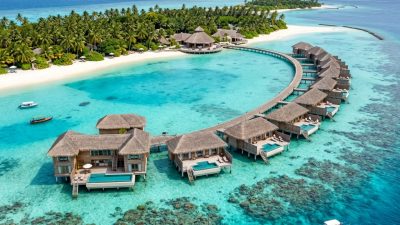
The Lakshadweep archipelago, a chain of 36 islands off India’s southwestern coast, has undergone perhaps the most dramatic tourism repositioning of any Indian destination in recent memory. The islands burst into national consciousness in early 2024 following a diplomatic controversy with the Maldives that prompted widespread public interest in India’s own island alternatives. What began as a patriotic impulse has since matured into genuine tourism demand, as travellers discovered that Lakshadweep’s coral atolls, lagoons, and marine life offer experiences that rival those of far more expensive international destinations.
The Lakshadweep Administration, in partnership with the Ministry of Tourism, has developed a phased tourism expansion plan that prioritises environmental sustainability. Currently, only 10 of the 36 islands are open to tourists, with strict visitor caps, regulated accommodation options, and mandatory eco-tourism orientation sessions for all arrivals. The approach reflects the hard-learned lesson that uncontrolled tourism development in fragile island ecosystems can destroy the very attributes that attract visitors.
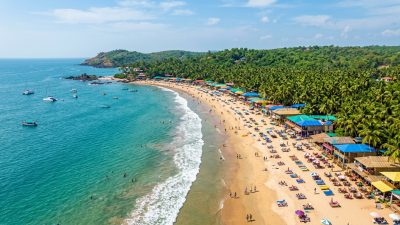
“Lakshadweep is not Goa, and we have no intention of making it Goa,” stated Lakshadweep Administrator Praful Patel. “Our model is premium, low-volume, high-value tourism that generates revenue for island communities while preserving the pristine environment. Every development decision we make is filtered through the lens of ecological carrying capacity.”
Marine Eco-Tourism: The Underwater Frontier
Both the Andaman Islands and Lakshadweep are investing heavily in marine eco-tourism — an emerging segment that leverages the islands’ extraordinary underwater ecosystems to offer experiences including scuba diving, snorkelling, glass-bottom boat tours, marine wildlife observation, and coral reef education programmes.
The Andaman’s waters host over 1,200 species of fish, 350 species of coral, and populations of dugong, saltwater crocodiles, leatherback turtles, and manta rays. Lakshadweep’s coral atolls are home to similarly diverse marine life, with its lagoons providing some of the clearest waters and most pristine coral formations in the Indian Ocean.
Both territories have established marine conservation zones where tourism activities are managed to minimise environmental impact. In the Andaman, the Mahatma Gandhi Marine National Park has implemented a coral monitoring programme that tracks reef health in relation to tourist activity, providing data that informs management decisions about visitor numbers and activity types. This scientific approach to tourism management parallels India’s evidence-based approach to terrestrial wildlife conservation, where data-driven monitoring has been central to the tiger population recovery.
Premium Hospitality: A New Standard
The islands’ tourism repositioning has attracted significant private sector investment in hospitality. Luxury resort brands, including Taj Hotels, ITC Hotels, and several international operators, have either opened or announced properties in the Andaman Islands, bringing standards of accommodation, cuisine, and service that position the destination for the premium international market.
In Lakshadweep, the accommodation model is deliberately more restrained, with the administration favouring eco-resorts and community-operated guesthouses over large-scale resort development. The emphasis is on low-impact structures that integrate with the island landscape, use renewable energy and rainwater harvesting, and minimise waste generation — a model that appeals to the growing segment of travellers who prioritise environmental responsibility in their travel choices.
Community Benefits and Livelihood Transformation
The tourism surge is transforming livelihoods in both island territories. In the Andaman, fishing communities are increasingly supplementing traditional livelihoods with tourism-related activities, including boat services, guided fishing excursions, and homestay accommodation. The state government has established tourism skill development centres that offer training in hospitality, water sports instruction, and marine guide services.
In Lakshadweep, where the population is predominantly Muslim and traditionally dependent on coconut cultivation, tuna fishing, and coir production, tourism is emerging as a significant new economic opportunity. The administration’s community-centred tourism model ensures that a substantial portion of tourism revenue flows directly to island residents, rather than being captured by external operators.
Challenges: Climate and Connectivity
Both island destinations face challenges that could constrain their tourism potential. Climate change poses an existential threat to coral reef ecosystems, with rising sea temperatures causing bleaching events that degrade the underwater landscapes that are central to the islands’ tourism appeal. Both territories are investing in coral nurseries and reef restoration programmes, but the effectiveness of these interventions ultimately depends on global action to limit warming.
Connectivity remains a constraint, particularly for Lakshadweep, where the journey from the mainland currently involves either a long ship voyage or limited and expensive air services. The planned development of a new airport on Minicoy Island and the upgrade of Agatti’s airstrip are expected to improve accessibility, but implementation timelines remain uncertain.
India’s Island Future
As the Andaman Islands and Lakshadweep chart their tourism trajectories, they offer India an opportunity to develop a distinctive island tourism brand — one that combines tropical beauty with ecological responsibility, cultural authenticity with comfort, and exclusivity with accessibility. The success of this effort could establish India as a significant player in the global island tourism market while creating sustainable economic opportunities for some of the country’s most remote communities.
The careful, sustainability-first approach being adopted for India’s islands reflects the same ethos that governs the ecologically sustainable mountain trail development announced in the Union Budget, signalling that India is learning to develop its natural assets with the long-term vision they deserve.

- Mamaearth, boAt, and Noise: How India’s D2C Champions Are Chasing Profitability in 2026 - March 24, 2026
- India’s D2C Brands Bet Big on Offline Expansion as Quick Commerce Reshapes the Playbook - March 24, 2026
- Himalayan Trekking in 2026: Top Routes and New Trails for Adventure Seekers in India - March 24, 2026