Beyond the Crowds: A Guide to Goa’s Hidden and Uncrowded Beaches in 2026

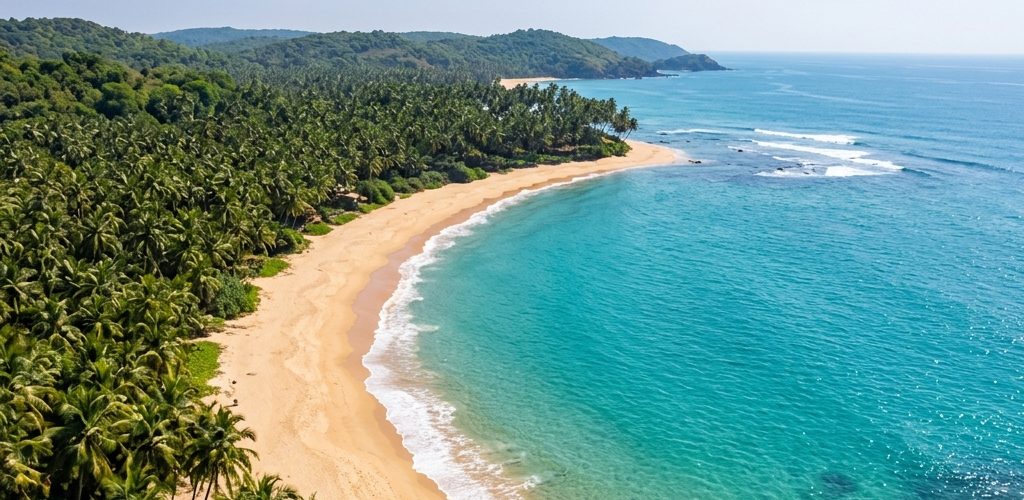
Goa, India’s smallest state and its most famous beach destination, faces an increasingly acute paradox: its very popularity threatens to undermine the qualities that made it popular in the first place. The beaches of North Goa — Calangute, Baga, Anjuna, and Vagator — have long since crossed the threshold from vibrant to congested, their sands crowded with sun-beds, their waters noisy with jet-skis, and their character reshaped by mass tourism infrastructure. Yet Goa is far more than its headline beaches. For travellers willing to venture beyond the familiar, the state offers a collection of hidden, uncrowded, and genuinely beautiful beaches that preserve the relaxed, authentic spirit that drew the first visitors to these shores decades ago.
South Goa: Where Tranquillity Survives
Cola Beach: Tucked away behind a forested hill accessed by a rough laterite track, Cola Beach is Goa’s best-kept open secret — though even secrets have a shelf life in the Instagram age. The beach is unique for its freshwater lagoon, separated from the Arabian Sea by a sandbar, creating a natural swimming pool of calm, warm water. The lagoon is flanked by coconut palms and backed by a hillside of dense tropical vegetation, creating a sense of enclosed paradise that feels genuinely remote despite being only 25 kilometres from Margao.
Accommodation at Cola is deliberately limited — a handful of eco-friendly tent and cottage operations that prioritise minimal environmental impact. There are no beach shacks, no loud music, and no motorised water sports. The access road, intentionally left unimproved by local authorities, serves as a natural crowd filter. Visitors should bring their own water and snacks, as facilities are minimal. The best time to visit is November through February, when the lagoon is at its fullest and the weather is dry.
Agonda Beach: Consistently rated among Asia’s best beaches, Agonda offers two kilometres of wide, clean sand backed by tall palms and a gentle curve of bay that creates sheltered swimming conditions. Unlike the party beaches of the north, Agonda’s vibe is resolutely quiet — yoga retreats, beach huts with hammocks, candlelit dinners at simple restaurants, and the sound of waves uninterrupted by electronic music. The beach has benefited from its designation as a nesting site for the endangered Olive Ridley sea turtle, which has limited commercial development along its length.
Butterfly Beach: Accessible only by boat from Palolem or through a challenging forest trail, Butterfly Beach is a small, secluded cove that represents Goa’s most pristine coastal experience. The beach takes its name from the butterflies that inhabit the surrounding forest, which descend to the sand in the morning hours in remarkable numbers. The journey to reach it is part of the experience — the boat ride from Palolem passes rocky headlands, hidden coves, and dolphin-spotting opportunities.
The Hidden North
Ashwem Beach: For those who prefer to stay in North Goa but want to escape the Calangute-Baga madness, Ashwem offers a refined alternative. This long, flat beach with firm sand is popular with kite-surfers (the consistent afternoon winds from November to March make it one of India’s best kite-surfing spots) and has a small but excellent collection of beach restaurants and boutique accommodations. Ashwem feels like what Anjuna was 20 years ago — creative, relaxed, and genuinely bohemian.
Keri (Querim) Beach: Goa’s northernmost beach, sitting just below the Terekhol River estuary and the atmospheric Terekhol Fort, is a broad sweep of sand that sees a fraction of the visitors attracted to beaches further south. The drive to Keri takes you through some of Goa’s most unspoilt countryside — cashew plantations, laterite-roofed villages, and stretches of deciduous forest. The Terekhol Fort, now a heritage hotel, makes an excellent lunch stop with views across the river to Maharashtra.
Beyond Goa: India’s Beach Alternatives
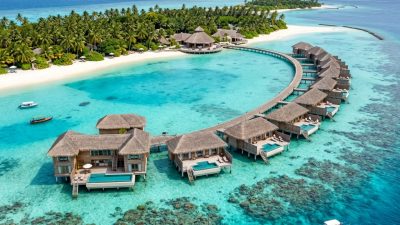
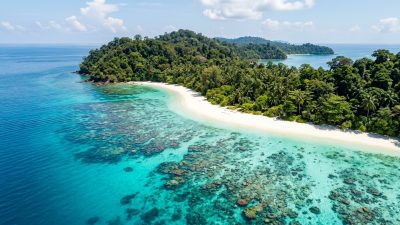
For travellers who want beach experiences even further off the beaten path, India offers several alternatives to Goa that deserve consideration. Lakshadweep’s coral islands offer a Maldives-like experience at a fraction of the cost, with crystal-clear lagoons and virtually no crowds. The Andaman Islands, accessible by flight from Chennai and Kolkata, offer some of Asia’s finest diving and pristine tropical beaches. Karnataka’s Gokarna, just across the border from Goa, has emerged as a favourite with backpackers and yoga practitioners seeking Goa’s former spirit at Goa’s former prices.
The Sustainability Question
Goa’s beach tourism faces genuine sustainability challenges. The state’s carrying capacity — the number of visitors it can accommodate without environmental degradation — is under severe pressure during the peak season (November to February). Coastal erosion, exacerbated by construction in buffer zones and sand mining, has visibly narrowed several beaches. Water scarcity, a chronic issue as the state’s tourism infrastructure demands compete with agricultural and domestic needs, intensifies during the dry season.
The Goa Tourism Department’s 2025-30 master plan acknowledges these challenges and proposes several measures: strict enforcement of the Coastal Regulation Zone (CRZ) rules, promotion of monsoon tourism to distribute visitor arrivals more evenly across the year, investment in waste management infrastructure, and the development of “hinterland tourism” that draws visitors away from the coast into Goa’s equally beautiful but less developed interior — its spice plantations, wildlife sanctuaries, and riverside villages.
Some of the hidden beaches described in this guide owe their tranquillity precisely to the absence of development — a quality that inevitably changes once a beach gains attention. The responsible traveller visits these places with a light footprint: carrying out all waste, respecting turtle nesting sites, supporting local businesses rather than chain operations, and accepting that limited facilities are a feature, not a bug.
Practical Information for 2026
Goa is accessible by air through Dabolim Airport (serving the established south) and the new Manohar International Airport at Mopa (serving the north), which opened in 2023 and has significantly improved access to North Goa’s beaches. Within the state, scooter rental remains the most popular and practical mode of transport, with daily rates ranging from ₹300 to ₹600. Ride-hailing apps are available in urban areas but coverage is patchy in remote beach locations.
Accommodation costs vary dramatically. Budget beach huts in South Goa start at ₹1,000 per night, while boutique properties range from ₹5,000 to ₹25,000. The sweet spot for most travellers lies in the ₹2,000-5,000 range, which secures comfortable rooms with character at properties that retain Goa’s distinctive atmosphere. Book well in advance for the December-January peak, when prices surge and availability drops.
The hidden beaches of Goa are a reminder that this remarkable state still has room for discovery. In a world of overtourism and algorithmic recommendations, finding a beach that surprises and delights — where the water is clear, the sand is empty, and the only sound is the sea — feels like something precious. Goa, for all its challenges, still delivers that feeling to those who seek it. The secret is knowing where to look — and then keeping the secret just a little longer.

- Mamaearth, boAt, and Noise: How India’s D2C Champions Are Chasing Profitability in 2026 - March 24, 2026
- India’s D2C Brands Bet Big on Offline Expansion as Quick Commerce Reshapes the Playbook - March 24, 2026
- Himalayan Trekking in 2026: Top Routes and New Trails for Adventure Seekers in India - March 24, 2026