India’s Coastal Tourism Boom 2026: Record Arrivals Expected as Goa Cracks Down on Beach Violations

India’s beach tourism sector is surging into 2026 with extraordinary momentum, as coastal destinations from Goa to the Andaman Islands prepare for record-breaking tourist arrivals. The boom is being driven by a confluence of factors — growing domestic travel appetite, improved coastal infrastructure, the rise of social media-driven destination discovery, and strategic government investment in marine and coastal tourism development. However, the growth comes with a renewed focus on regulatory enforcement, as Goa’s tourism department takes aggressive action against beach violations that have long tarnished the state’s reputation.
The Coastal Travel Boom: Numbers Tell the Story
Data from multiple travel platforms confirms that India is experiencing its most robust coastal travel season in history. Bookings for beach destinations in the January-April 2026 period are up by an average of 34 per cent compared to the same period in 2025, with some destinations — particularly the Andaman and Nicobar Islands, Gokarna in Karnataka, and the emerging beaches of Odisha — recording increases of over 50 per cent.
The domestic travel market is the primary engine of this growth. India’s expanding middle class, growing disposable incomes, improved road and rail connectivity to coastal destinations, and the influence of travel content on social media platforms have combined to create a travel culture that increasingly values beach holidays as a lifestyle essential rather than a luxury.
“The Indian beach traveller has evolved dramatically over the past five years,” observed Rajesh Magow, CEO of MakeMyTrip. “They’re more discerning, more willing to explore beyond Goa, and more demanding in terms of experience quality. This evolution is great news for the industry, but it also raises the bar for destinations to deliver on their promises.”
Goa’s Regulatory Crackdown
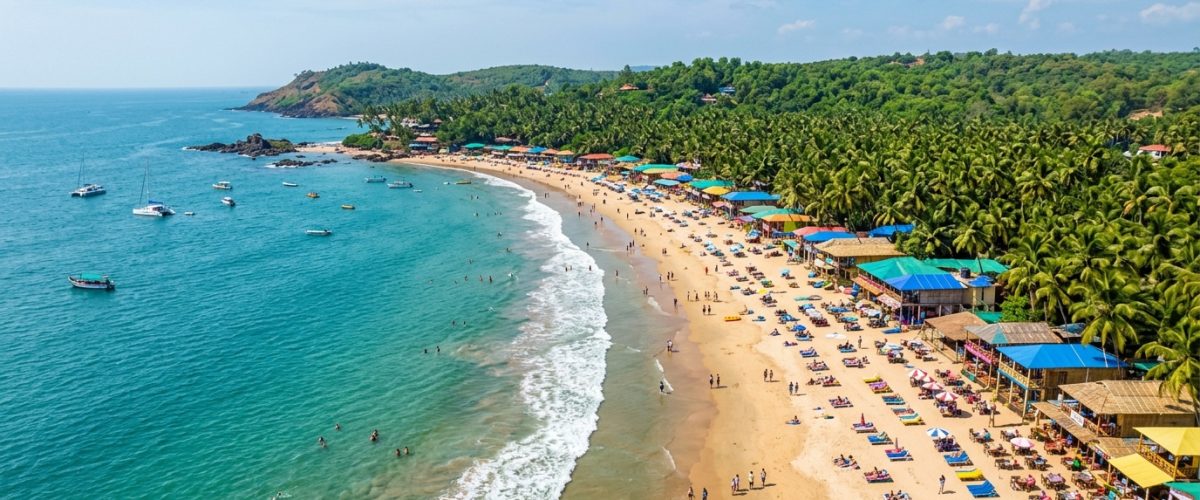
Against this backdrop of booming demand, Goa — India’s most established beach tourism destination — is undertaking a significant regulatory crackdown on beach violations. The state’s tourism department has expanded the powers of its deputy directors, authorising them to issue notices, conduct hearings, and impose fines on unregistered beach operators, encroachers, and businesses violating environmental and safety regulations.
The enforcement action targets several persistent problems: the unauthorised occupation of beach space by shack operators, the lack of proper waste management at beach locations, noise pollution from illegal parties and events, and the operation of water sports activities without adequate safety equipment or insurance. These issues, while not new, have intensified with the growth in tourist numbers and have generated increasing complaints from both domestic and international visitors.
“Goa’s beaches are our greatest asset, and we will not allow them to be degraded by unregulated commercial activity,” declared state Tourism Director Suneel Anchipaka. “The expanded enforcement powers are designed to ensure that every operator on Goa’s beaches is licensed, inspected, and held accountable for compliance with environmental and safety standards.”
Beyond Goa: Emerging Beach Destinations
One of the most significant trends in India’s coastal tourism landscape is the emergence of alternative beach destinations that are attracting visitors who might previously have defaulted to Goa. Gokarna in Karnataka, with its relatively unspoiled beaches and laid-back atmosphere, has become a favourite among younger travellers. Varkala and Marari in Kerala offer a more tranquil beach experience. The beaches of Konkan Maharashtra — Tarkarli, Ganpatipule, and Dapoli — are drawing visitors from Mumbai and Pune with their combination of pristine coastline and authentic Konkan cuisine.
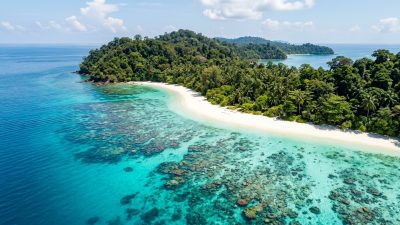
The Andaman and Nicobar Islands continue to grow as India’s premium beach destination, with crystal-clear waters, coral reefs, and underwater ecosystems that rival anything in the Maldives or Thailand. The archipelago’s tourism infrastructure has been progressively expanded, with new resorts, improved ferry services between islands, and the development of scuba diving and snorkelling facilities that have made the islands’ marine biodiversity more accessible to visitors.
Odisha’s Puri-Konark coastline and the emerging beach destinations of Chandipur and Gopalpur are also gaining traction, supported by the state government’s tourism promotion efforts and improved rail connectivity. The unique natural phenomenon of Chandipur’s receding sea — where the waterline retreats up to five kilometres during low tide — has become a viral attraction on social media platforms, driving significant tourist interest.
Eco-Tourism and Marine Conservation
India’s coastal tourism boom is increasingly intersecting with marine conservation efforts. The designation of marine protected areas along India’s coast, the coral restoration programmes in the Gulf of Kutch and Lakshadweep, and the turtle conservation initiatives at Odisha’s Gahirmatha beach have created opportunities for eco-tourism that combines beach holidays with environmental education and conservation participation.
The model echoes India’s success in terrestrial conservation, where tiger conservation efforts have demonstrated that tourism and conservation can be mutually reinforcing when properly managed. The application of this principle to marine environments is still nascent in India, but the growing interest among travellers in sustainable and meaningful experiences suggests significant potential.
Infrastructure Development
The coastal tourism boom is being supported by substantial infrastructure investment. The Goa International Airport at Mopa, which began operations in 2023, has significantly increased the state’s air connectivity capacity and reduced congestion at the older Dabolim airport. New coastal highway projects in Maharashtra, Karnataka, and Kerala are improving road access to beach destinations that were previously difficult to reach.
The government’s Sagarmala programme, originally focused on port development, has increasingly incorporated tourism dimensions, with plans for cruise terminal facilities at several coastal cities and the development of coastal tourism circuits that connect beach destinations with nearby cultural and historical sites.
The Season Ahead
As India’s beach destinations gear up for their busiest season, the industry faces the twin challenges of managing growth and maintaining quality. The record arrivals expected in 2026 will test infrastructure capacity, environmental management systems, and the regulatory frameworks designed to balance commercial interests with beach preservation.
For travellers, the expanding menu of coastal destinations — from Goa’s vibrant party beaches to the Andaman’s pristine coral islands, from Karnataka’s spiritual shores to Odisha’s unique tidal landscapes — offers more choice and variety than ever before. India’s coastline, stretching over 7,500 kilometres, is finally being recognised not just as a geographic feature but as a world-class tourism asset worthy of the investment, management, and marketing attention it deserves.
The growth in beach tourism complements India’s broader tourism strategy, which includes the development of mountain trail networks across Himachal Pradesh and Kashmir and the renaissance of heritage tourism in Tamil Nadu, ensuring that the country’s diverse tourism offerings cater to every type of traveller.

- Northeast India Emerges as 2026’s Hottest Travel Destination as Jorhat-Majuli Searches Spike - March 25, 2026
- Mamaearth, boAt, and Noise: How India’s D2C Champions Are Chasing Profitability in 2026 - March 24, 2026
- India’s D2C Brands Bet Big on Offline Expansion as Quick Commerce Reshapes the Playbook - March 24, 2026