Indian Outbound Travel Hits Record 30 Million Trips in 2026 as Japan Thailand and Azerbaijan Emerge Top Destinations

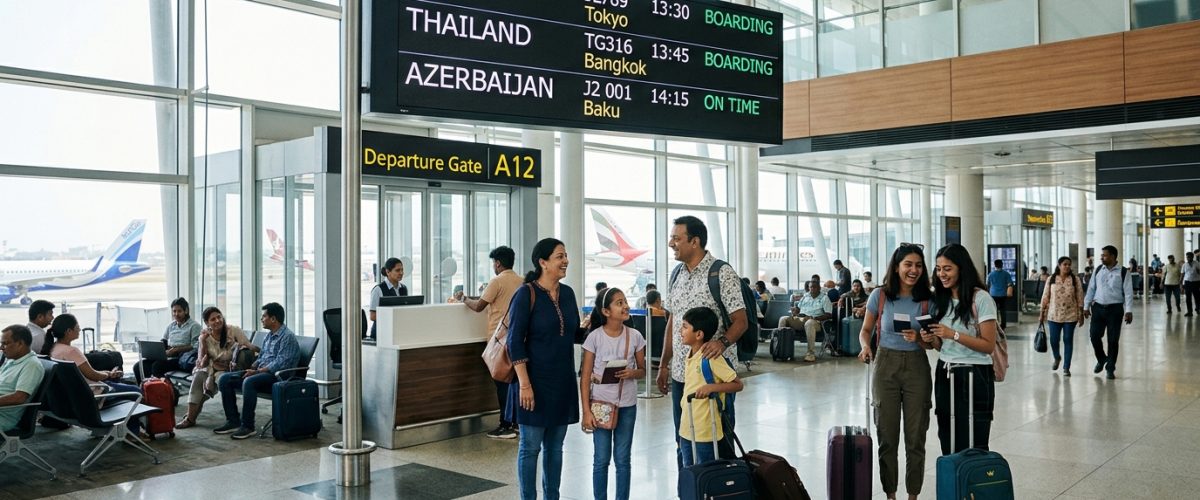
Indian outbound travel has reached a historic milestone in 2026, with an estimated 30 million international trips undertaken by Indian travellers — a 25 per cent increase over 2025 and more than double the pre-pandemic figure of 2019. Japan, Thailand and Azerbaijan have emerged as the year’s hottest destinations, driven by a combination of affordable airfares, simplified visa processes and aggressive destination marketing campaigns targeting India’s 200-million-strong aspirational middle class.
The surge reflects India’s growing economic confidence. With GDP growth forecast at 7.2 per cent for FY26 and consumer spending at record highs, international travel has transitioned from a luxury for the wealthy to an accessible aspiration for middle-income families. As India’s strong GDP growth boosting consumer spending power has detailed, the combination of rising incomes and favourable macroeconomic conditions is fuelling discretionary spending across categories, and travel is the primary beneficiary.
Japan Emerges as India’s Hottest New Destination
The biggest surprise of 2026’s travel season has been the meteoric rise of Japan as a preferred destination for Indian tourists. Visa-on-arrival access for Indian passport holders, introduced by Japan in January 2026 as part of its “Visit Japan 2030” campaign, has removed the single biggest barrier to travel. Indian arrivals in Japan during Q1 2026 reached 800,000, a fivefold increase over the same period in 2025.
The appeal goes beyond visa convenience. The weak Japanese yen, which has depreciated over 30 per cent against the Indian rupee since 2022, has made Japan significantly more affordable. A week-long trip covering Tokyo, Kyoto and Osaka now costs approximately Rs 1.5 to 2.5 lakh per person — comparable to premium European tours but with a dramatically different cultural experience.
Indian travel influencers have played a significant role in popularising Japan. Instagram and YouTube content featuring cherry blossom season, Japanese street food and anime pilgrimage tours has generated billions of views. Tour operators report that “anime tourism” — visiting locations depicted in popular anime series — is among the fastest-growing niches, particularly among Indian travellers aged 18 to 30.
Thailand Retains Its Crown With Record Indian Arrivals
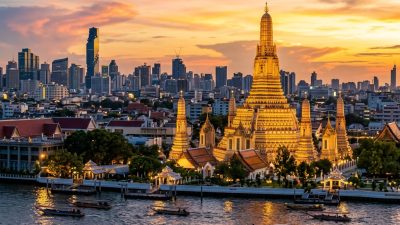
Thailand continues to be the most-visited international destination for Indian travellers, with projected arrivals of 4.5 million in 2026. The Thailand Authority of Tourism’s “Amazing Thailand for Indians” campaign, which includes partnerships with Indian airlines, hotels and tour operators, has been the most successful destination marketing programme targeting Indian outbound travel.
Bangkok and Phuket remain the primary draws, but lesser-known destinations like Chiang Mai, Krabi and Koh Samui are seeing rapid growth. The introduction of direct IndiGo and Air India Express flights from tier 2 Indian cities like Lucknow, Jaipur and Kochi to Bangkok has made Thailand accessible to a new demographic of travellers who previously could not justify the higher costs of connecting flights through Delhi or Mumbai.
Medical tourism is another significant driver. Thailand’s healthcare sector, which combines world-class facilities with prices 40 to 60 per cent lower than Indian private hospitals for certain procedures, attracts an estimated 500,000 Indian medical tourists annually. Dental procedures, cosmetic surgery and fertility treatments are the most popular categories. While India’s hidden coastal gems attracting record visitors showcases the beauty of India’s own coastlines, Thailand’s tropical beaches remain a powerful lure for Indian sun-seekers.
Azerbaijan: The Dark Horse Destination of 2026
Perhaps the most unexpected entry in India’s top international destinations is Azerbaijan. The Caucasus nation, which offered visa-free entry to Indian passport holders in 2024, has seen Indian tourist arrivals grow from 50,000 in 2024 to an estimated 400,000 in 2026. Baku, with its blend of ancient old city architecture and futuristic modern skyline, has become an Instagram-friendly alternative to Dubai.
Azerbaijan’s appeal to Indian travellers lies in its affordability and exoticism. A five-day Baku trip can be done for under Rs 60,000 per person, including flights, accommodation and meals. The country’s fire temples, mud volcanoes and Caspian Sea coastline offer visual experiences that are utterly different from typical Indian travel destinations.
AZAL (Azerbaijan Airlines) has introduced direct flights from Delhi and Mumbai to Baku, while IndiGo launched a Baku route from Ahmedabad — recognising the strong demand from Gujarat’s business and leisure travellers. The Azerbaijan Tourism Board has also established a dedicated India office in Mumbai, staffed by bilingual representatives who work directly with Indian travel agents.
Affordable Airfares Drive the Outbound Travel Boom
The structural enabler of India’s outbound travel explosion is the dramatic reduction in international airfares. The entry of Akasa Air and the expansion of IndiGo, Air India Express and SpiceJet into international markets has created fierce competition on popular routes. Average one-way fares from India to Southeast Asia have dropped to Rs 8,000 to Rs 12,000, while fares to the Middle East hover around Rs 10,000 to Rs 15,000.
Air India’s fleet expansion, following the Tata Group’s acquisition, has added direct routes from India to destinations including Bali, Nairobi, Ho Chi Minh City and Lisbon. The airline’s business class product has also been upgraded, attracting premium Indian travellers who previously flew with Gulf carriers via connecting hubs.
Credit card reward programmes and travel financing have further democratised international travel. EMI options for flight bookings, hotel stays and tour packages allow travellers to spread costs over 6 to 12 months. MakeMyTrip reports that 40 per cent of its international bookings in 2026 involve some form of buy-now-pay-later financing, reflecting Himalayan adventure tourism’s boom and sustainability challenges‘s observation about how the travel economy adapts to new tourism spending patterns.
The Future of Indian Outbound Travel
Industry projections suggest that Indian outbound travel could reach 50 million trips annually by 2030, driven by passport penetration (currently at just 7 per cent of the population), income growth and continued visa liberalisation. Countries are actively competing for the Indian tourist dollar, recognising that India is poised to become the world’s third-largest outbound travel market after China and the United States.
Destination countries are tailoring their offerings to Indian preferences. Hotels in Japan, Thailand and Azerbaijan now offer Indian breakfast options. Tourist information is available in Hindi at major attractions in Bangkok and Baku. Indian payment apps, including UPI and PhonePe, are accepted at select merchants in Thailand and the UAE, reducing the friction of foreign transactions.
India’s outbound travel boom is not just an economic story — it is a cultural one. As millions of Indians experience different countries, cuisines and customs, the feedback loop enriches domestic culture, business practices and international perspectives. Browse the travel and tourism stories from around the world for stories that capture the full breadth of global exploration, or explore the beach destinations drawing Indian travellers for the best coastal destinations that Indian travellers are adding to their bucket lists. The 30 million trips of 2026 are just the beginning of India’s love affair with the world.

- Indian Outbound Travel Hits Record 30 Million Trips in 2026 as Japan Thailand and Azerbaijan Emerge Top Destinations - March 29, 2026
- Navratri 2026 Draws Record 50 Lakh Visitors to Gujarat as India’s Festival Economy Touches Rs 4.5 Lakh Crore - March 29, 2026
- Indian Authors Dominate Global Literary Awards as Publishing Industry Crosses Rs 1,000 Crore in 2026 - March 29, 2026