Thailand Visa-Free Entry for Indians in 2026: Everything Travellers Need to Know

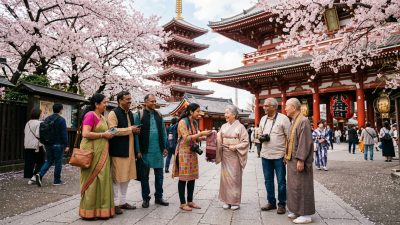
Thailand’s decision to extend visa-free entry to Indian passport holders — a policy that has been clarified and refined through 2025 and into 2026 — represents one of the most significant developments in Indian international travel in recent years. The Land of Smiles, already India’s most popular international holiday destination by some measures, has become dramatically more accessible, with Indian travellers now able to enter for stays of up to 60 days without a visa. But confusion around the policy’s specifics, evolving regulations, and practical requirements has left many travellers uncertain. This guide cuts through the noise with verified, current information for Indian travellers planning Thailand trips in 2026.
The Visa-Free Policy: What Exactly Is Offered
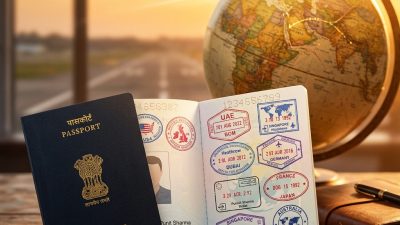
As of 2026, Indian passport holders are permitted to enter Thailand without a visa for tourism purposes, with a maximum stay of 60 days per visit. This applies to entry via any international port — including Suvarnabhumi Airport (Bangkok), Don Mueang Airport (Bangkok), Phuket International Airport, Chiang Mai International Airport, and all land border crossings with neighbouring countries.
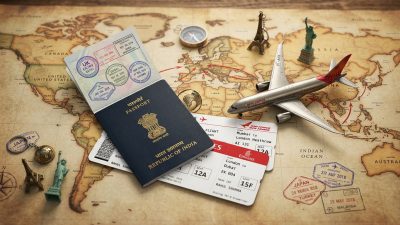
The key requirements at the point of entry are: a passport valid for at least six months beyond the date of entry; proof of accommodation for at least the first few nights (hotel booking confirmation is sufficient); proof of onward or return travel (a booked flight or bus ticket out of Thailand); and evidence of sufficient funds for the duration of the stay (Thai immigration guidelines suggest a minimum of 20,000 Thai Baht, approximately ₹48,000, in cash or accessible funds per person).
It is important to note what the visa-free policy does not permit. It does not allow employment or any form of paid work in Thailand. It does not permit stays exceeding 60 days (overstaying results in fines of 500 Baht per day and potential blacklisting). And it does not guarantee entry — Thai immigration officers retain discretion to refuse entry if they are not satisfied that the traveller meets the requirements. In practice, refusals are extremely rare for travellers who arrive with proper documentation.
Why Thailand Opened Its Doors
Thailand’s visa-free policy for Indian nationals is driven by economics. India is now Thailand’s largest source market for tourist arrivals from South Asia, with over 2 million Indian visitors in 2025. The Thai tourism industry, which accounts for approximately 18 per cent of GDP, has identified India as its highest-growth market — a reflection of India’s expanding middle class, rising disposable incomes, and a cultural affinity for Thai cuisine, temples, and beach destinations.
The policy also reflects geopolitical considerations. Thailand’s ASEAN neighbours — particularly Vietnam, Indonesia, and Malaysia — have been competing aggressively for Indian tourist spending, and the visa-free offer is a competitive response. India’s growing strategic importance in the Indo-Pacific region has strengthened bilateral relations, with tourism serving as a visible expression of diplomatic goodwill.
Top Destinations for Indian Travellers
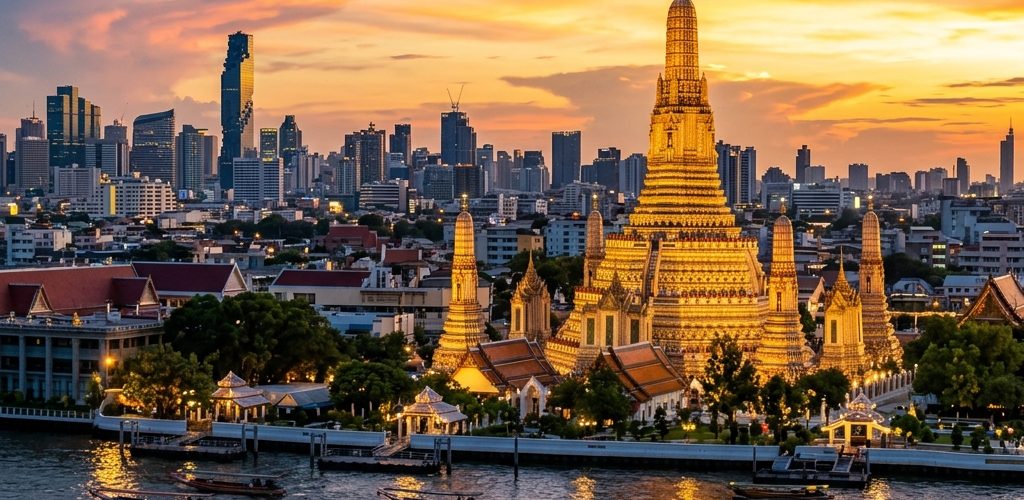
Bangkok: Thailand’s capital remains the top draw, offering an intoxicating mix of ancient temples, ultramodern shopping centres, world-class street food, and vibrant nightlife. The Grand Palace and Wat Phra Kaew, Wat Arun (the Temple of Dawn), and Wat Pho (home to the Reclining Buddha) form the historical core. Chatuchak Weekend Market, with its 15,000+ stalls, is one of Asia’s great shopping experiences. Bangkok’s food scene — from Michelin-starred restaurants to ₹50 pad thai from a street cart — is unrivalled in Southeast Asia.
Phuket and the Southern Islands: Thailand’s largest island and its surrounding archipelago offer beaches that range from the busy (Patong) to the serene (Nai Harn, Kamala). The islands of Phi Phi, James Bond Island, and the Similan archipelago provide snorkelling and diving among coral reefs teeming with tropical fish. For Indian families, Phuket’s combination of beach activities, cultural attractions, and excellent hotel infrastructure makes it one of the most convenient international beach destinations.
Chiang Mai and the North: Culturally distinct from Bangkok and the south, northern Thailand offers temple-studded old cities, jungle trekking, ethical elephant sanctuaries, cooking classes, and a cooler climate that provides welcome relief from the tropical heat. Chiang Mai’s November Lantern Festival (Yi Peng), when thousands of lit lanterns float into the night sky, is one of Asia’s most photogenic events.
Krabi and Koh Samui: These destinations offer alternatives to Phuket’s sometimes overwhelming tourism infrastructure. Krabi’s dramatic limestone karst scenery, accessible directly via Krabi Airport, provides a stunning backdrop for beach holidays, rock climbing, and island-hopping. Koh Samui, an island with its own airport, offers a more upmarket beach experience with luxury resorts and a vibrant food scene.
Budget Breakdown for Indian Travellers
Thailand remains remarkably affordable for Indian travellers, despite the Thai Baht’s strength. A realistic daily budget for a comfortable trip (mid-range hotel, restaurant meals, activities) is approximately ₹4,000-6,000 per person per day in Bangkok and ₹3,000-5,000 in beach and island destinations. Budget travellers can manage on ₹2,000-3,000 per day using hostels, street food, and public transport.
Flights from India to Bangkok are available from major cities at ₹8,000-15,000 return during non-peak periods, with airlines including Air India, IndiGo, Thai AirAsia, and Thai Airways offering direct services. Internal flights within Thailand — including the Bangkok-Phuket and Bangkok-Chiang Mai routes — are often available for under ₹3,000 one-way on budget carriers.
Practical Tips and Common Mistakes
Several practical considerations will enhance the Indian traveller’s Thailand experience. First, carry Thai Baht in cash for immigration’s funds check and for vendors who don’t accept cards. Currency exchange rates are best at authorised money changers (SuperRich is the most trusted chain), not at airport counters or hotels. Second, install the Grab app before arrival — Thailand’s equivalent of Uber, it handles taxis, food delivery, and local services efficiently.
Third, be aware of common scams targeting tourists, particularly in Bangkok: tuk-tuk drivers offering “free” city tours that inevitably end at gem shops, and “closed temple” ruses that redirect you to tour agencies. Use metered taxis or Grab, and verify temple opening hours independently. Fourth, respect Thai cultural norms: dress modestly when visiting temples (covered shoulders and knees), remove shoes before entering homes and some shops, and never disrespect the Thai monarchy — lèse-majesté laws are strictly enforced.
For those who prefer to explore India’s own diverse destinations first, the country offers compelling alternatives. Goa’s hidden beaches provide tropical relaxation without the international flight, while Kerala’s backwaters offer cultural immersion that rivals anything in Southeast Asia.
Health, Safety, and Insurance
Thailand is generally safe for Indian travellers, with low violent crime rates in tourist areas. Food safety is generally good, though travellers should exercise normal precautions with street food and tap water (drink bottled water). No vaccinations are legally required for entry from India, but Hepatitis A and typhoid vaccines are recommended by health advisors. Travel insurance, while not technically mandatory, is strongly advised — medical costs in Thailand, while lower than in Western countries, can be substantial in the event of an accident or serious illness.
The visa-free era for Indians in Thailand represents a new chapter in bilateral relations and in the aspirations of Indian travellers. With the bureaucratic barrier removed, the only remaining obstacles are a flight booking and a sense of adventure. Thailand, with its perfect combination of affordability, culture, cuisine, and natural beauty, has never been more welcoming — and for India’s growing class of international travellers, the invitation is too good to refuse.

- Mamaearth, boAt, and Noise: How India’s D2C Champions Are Chasing Profitability in 2026 - March 24, 2026
- India’s D2C Brands Bet Big on Offline Expansion as Quick Commerce Reshapes the Playbook - March 24, 2026
- Himalayan Trekking in 2026: Top Routes and New Trails for Adventure Seekers in India - March 24, 2026