Himalayan Trekking in 2026: Top Routes and New Trails for Adventure Seekers in India

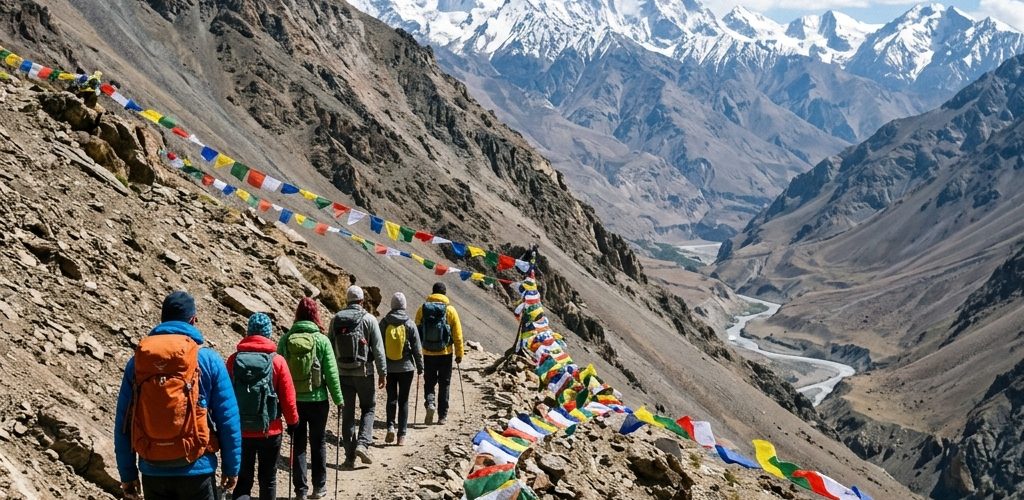
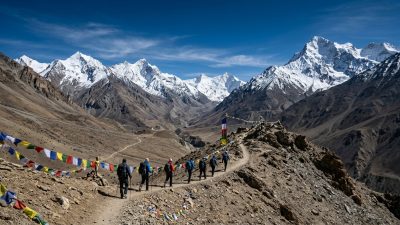
The Indian Himalayas, stretching over 2,500 kilometres from Jammu and Kashmir in the west to Arunachal Pradesh in the east, contain some of the world’s most spectacular trekking routes — trails that wind through landscapes of staggering beauty, from lush rhododendron forests to barren high-altitude deserts, past glacial lakes, ancient monasteries, and remote villages where life has changed little in centuries. In 2026, India’s trekking scene is experiencing a renaissance: new trails are being opened, infrastructure is improving, and a growing community of Indian trekkers — many of them first-timers inspired by social media — is discovering that world-class adventure exists not in Nepal or Patagonia but in their own backyard.
The Classic Routes: Timeless for a Reason
Roopkund Trek (Uttarakhand): The “Mystery Lake” trek at 4,800 metres, famous for the hundreds of ancient human skeletons visible beneath the lake’s surface when the ice melts, remains one of India’s most iconic treks. The trail passes through gorgeous oak and rhododendron forests, alpine meadows (bugyals) carpeted with wildflowers, and increasingly dramatic mountain scenery before the final ascent to the lake. The trek is typically completed in 7-8 days from the roadhead at Wan village. Note: seasonal restrictions may apply due to Nanda Devi Biosphere Reserve regulations — check with your operator before booking.
Chadar Trek (Ladakh): The frozen river trek on the Zanskar River, undertaken during the depths of winter (January-February) when the river freezes into a sheet of ice, is India’s most extreme and arguably most spectacular trek. Trekkers walk on the frozen river through a gorge of towering cliffs, sleeping in caves, and navigating constantly changing ice conditions. The trek, which was traditionally the only winter access route for the people of Zanskar, has become hugely popular but is being restricted to manage environmental impact and safety risks. Only accredited operators with certified guides are now permitted.
Valley of Flowers and Hemkund Sahib (Uttarakhand): This UNESCO World Heritage Site bursts into bloom from July to September, when over 600 species of wildflowers — including Himalayan blue poppy, cobra lily, and brahma kamal — create a natural garden at 3,600 metres altitude. Combined with a visit to Hemkund Sahib, the highest Sikh shrine in the world at 4,329 metres, this trek offers both natural beauty and spiritual significance. The route from Govindghat is well-established and suitable for fit beginners.
Emerging and New Trails
Sar Pass to Pin Valley (Himachal Pradesh): This challenging crossover trek, connecting the lush Kullu Valley with the stark landscapes of Spiti via a 4,200-metre pass, has been gaining popularity as trekkers seek routes that traverse dramatically contrasting ecosystems within a single journey. The trek typically takes 6-7 days and is best attempted in June-July or September-October.
Dzukou Valley (Nagaland): Northeast India’s trekking potential is finally being recognised, and Dzukou Valley — a high-altitude valley of rolling meadows, streams, and seasonal flowers on the Nagaland-Manipur border — is leading the way. The valley, accessible via a moderate day trek from Viswema village, is particularly stunning from June to September when the Dzukou lily, found nowhere else on earth, blooms across the valley floor. The region’s tribal culture, cuisine, and hospitality add dimensions to the experience that Himalayan treks in the west cannot replicate.
Markha Valley (Ladakh): As Ladakh continues to open to tourism, the Markha Valley trek has emerged as a superb alternative to the more established trekking routes. The 6-7 day trail follows the Markha River through a landscape of eroded rock formations, Buddhist monasteries, and Ladakhi villages where homestay accommodation offers an authentic cultural experience. The high point, Kongmaru La at 5,200 metres, provides views of Stok Kangri and the Zanskar range that are among Ladakh’s finest.
The Rise of Indian Trekking Culture
Perhaps the most significant development in Indian trekking in 2026 is the growth of a domestic trekking community. Organisations like Indiahikes, YHAI (Youth Hostels Association of India), and Trek the Himalayas have made trekking accessible to urban Indians who may have had no prior outdoor experience. These organisations handle logistics — tent accommodation, meals, guides, permits — allowing first-timers to focus on the experience rather than the complexities of wilderness travel.
Social media has been a powerful catalyst. Instagram accounts and YouTube channels dedicated to Indian trekking have accumulated millions of followers, creating an aspirational culture around outdoor adventure that did not exist a decade ago. The demographic of Indian trekkers has shifted dramatically: where once the trails were dominated by foreign tourists and a small cohort of Indian mountaineering enthusiasts, they now see young professionals from Bengaluru, Mumbai, Delhi, and Pune who view weekend treks as a lifestyle activity alongside gym workouts and restaurant visits. This aligns with a broader trend in Indian youth culture towards experiential travel, as seen in the youth-driven tourism surge at destinations like Varanasi.
Infrastructure and Safety
Infrastructure on Indian trekking routes has improved significantly, though it remains basic compared to established trekking destinations like Nepal. The Uttarakhand and Himachal Pradesh tourism departments have invested in trail marking, basic shelters, and rescue coordination. The introduction of satellite phone coverage and GPS tracking devices by major trekking operators has enhanced safety, while the Indian Mountaineering Foundation (IMF) has expanded its certification programmes for guides and operators.
However, challenges persist. Waste management remains a serious issue, with popular trails showing visible litter from increased foot traffic. Several operators have implemented “carry in, carry out” policies and organised clean-up treks, but enforcement is inconsistent. Altitude sickness continues to cause incidents, particularly among enthusiastic but insufficiently acclimatised urban trekkers who underestimate the demands of high-altitude environments. Proper acclimatisation protocols — spending adequate time at intermediate altitudes before ascending further — remain the most effective prevention.
The Environmental Equation
The growing popularity of Himalayan trekking brings environmental concerns into sharp focus. The Himalayan ecosystem is exceptionally fragile: thin soils, slow-growing vegetation, limited waste decomposition at altitude, and sensitivity to climate change make these environments vulnerable to the impacts of increased human activity. Glacial retreat, already measurable across the Indian Himalayas, is altering water availability in ways that affect both mountain communities and the trekking season itself.
Responsible trekking practices — minimising campfire impact, using designated campsites, proper human waste management, and respecting local customs and wildlife — are essential for ensuring that the trails remain viable for future generations. Some trekking organisations have adopted “Leave No Trace” principles adapted for Indian conditions, and the Uttarakhand Forest Department has introduced permit systems that cap daily visitor numbers on the most sensitive routes.
Planning Your 2026 Trek
The trekking season in the Indian Himalayas varies by region and altitude. Generally, post-monsoon (September-November) offers the clearest skies and most stable weather, making it ideal for high-altitude treks with mountain views. Pre-monsoon (April-June) is best for lower-altitude forest treks and flower-viewing. Winter treks (December-February) are limited to lower elevations and the famous frozen-lake and frozen-river routes in Ladakh.
Budget for a guided multi-day trek ranges from ₹10,000 to ₹35,000 per person depending on duration, difficulty, and operator. This typically includes tents, meals, guide services, and permits. Independent trekking is possible on some well-marked routes but is not recommended for newcomers or on routes above 4,000 metres.
The Indian Himalayas in 2026 offer trekking experiences that rival anywhere on Earth. From the glaciated grandeur of Uttarakhand to the otherworldly landscapes of Ladakh and the hidden valleys of the Northeast, the trails are calling. The only question is which one you will answer.

- Mamaearth, boAt, and Noise: How India’s D2C Champions Are Chasing Profitability in 2026 - March 24, 2026
- India’s D2C Brands Bet Big on Offline Expansion as Quick Commerce Reshapes the Playbook - March 24, 2026
- Himalayan Trekking in 2026: Top Routes and New Trails for Adventure Seekers in India - March 24, 2026