Uttarakhand’s Tourism Boom: Wellness, Adventure, and Pilgrimage Drive Record Footfall in 2026

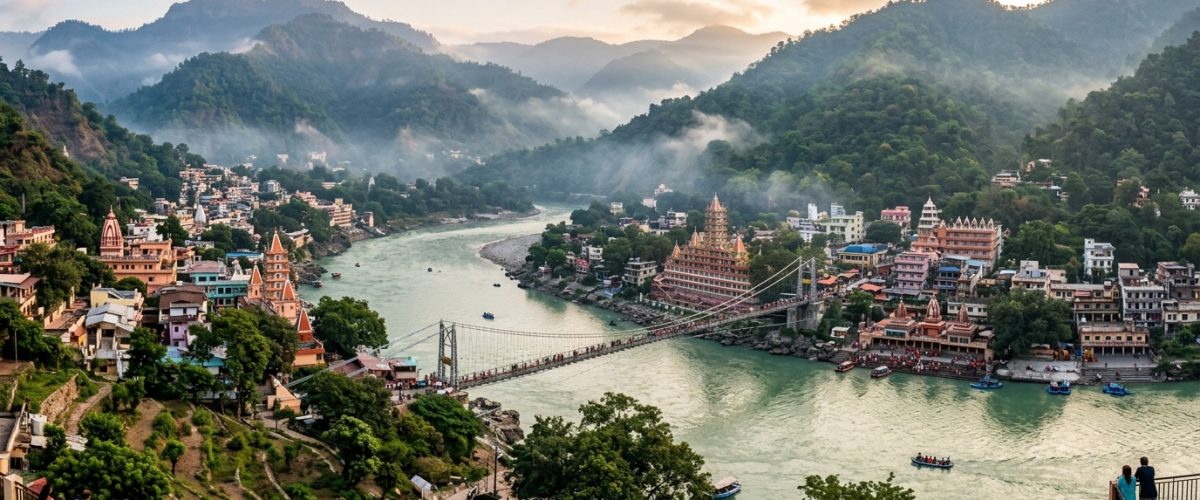
Uttarakhand, the Himalayan state celebrated as the Yoga Capital of the World and the gateway to some of India’s most sacred pilgrimage sites, is experiencing an unprecedented tourism boom in 2026. Driven by surging domestic travel demand, growing international interest in wellness tourism, and substantial government investment in infrastructure, the state is recording visitor numbers that surpass even the most optimistic projections — a development that brings both economic opportunity and the pressing challenge of sustainable growth management.
Record-Breaking Visitor Numbers
Tourism data released by the Uttarakhand Tourism Development Board for the first quarter of 2026 reveals that the state welcomed over 12 million visitors between January and March — a 28 per cent increase over the corresponding period in 2025 and the highest first-quarter figure in the state’s history. The growth has been driven predominantly by domestic tourists, who account for approximately 92 per cent of total arrivals, though international visitors — particularly from Southeast Asia, the Middle East, and Europe — have also increased by over 35 per cent year-on-year.
Rishikesh and Haridwar continue to be the state’s primary tourism magnets, collectively attracting nearly 4 million visitors in the first quarter alone. However, the data also shows a significant diversification of tourist flows, with lesser-known destinations such as Munsiari, Chopta, Binsar, and Pithoragarh registering sharp increases in bookings as travellers seek experiences beyond the traditional pilgrimage and yoga circuits.
“Uttarakhand is no longer just about Char Dham and Rishikesh,” observed Dilip Jawalkar, secretary of the Uttarakhand Tourism Department. “We are seeing a new generation of travellers who want to combine spiritual experiences with adventure activities, wellness retreats, and immersion in local culture. The state’s diversity — from river valleys to alpine meadows — positions it uniquely to serve these evolving preferences.”
The Wellness Tourism Wave
Wellness tourism has emerged as perhaps the fastest-growing segment of Uttarakhand’s tourism economy. The state’s established reputation in yoga and Ayurveda, combined with its natural landscape of forests, rivers, and mountains, has attracted a wave of wellness-focused hospitality investment. Over 40 new wellness resorts and retreat centres have opened across the state since 2024, ranging from luxury Ayurvedic spas in Dehradun to meditation centres in the remote valleys of Kumaon.
The global wellness tourism market, valued at over $900 billion, has identified India — and Uttarakhand in particular — as a priority destination. The state government has responded by creating a dedicated Wellness Tourism Policy that offers incentives for wellness-focused hospitality projects, including reduced land conversion charges, expedited environmental clearances, and marketing support through international tourism fairs.
The Union Budget 2026-27 further boosted the state’s tourism prospects with the announcement of new ecologically sustainable mountain trails to be developed as tourist destinations across Uttarakhand, Himachal Pradesh, and Jammu and Kashmir — a policy initiative that aligns with India’s broader commitment to ecological conservation and sustainable development in mountainous regions.
Adventure Tourism: Beyond the Beaten Path
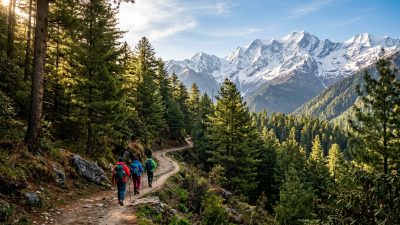
Adventure tourism is another growth driver, with Uttarakhand’s terrain offering opportunities for trekking, white-water rafting, paragliding, mountain biking, and skiing that few other Indian states can match. The Rishikesh-Shivpuri stretch of the Ganges has become India’s premier rafting destination, while emerging trails such as the Brahmatal Trek, the Roopkund-Ronti Saddle circuit, and the Valley of Flowers-Hemkund Sahib corridor are attracting serious trekkers from across the country and abroad.
The state government has partnered with the Adventure Tour Operators Association of India (ATOAI) to establish safety standards, guide certification programmes, and rescue infrastructure for adventure activities. Following several high-profile incidents in previous years, including fatalities during unregulated rafting operations and trekking expeditions, the emphasis on safety has become a central element of Uttarakhand’s adventure tourism branding.
Pilgrimage Tourism: The Char Dham Factor
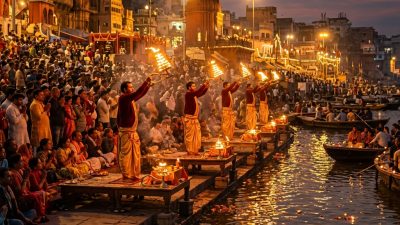
The Char Dham pilgrimage circuit — comprising Badrinath, Kedarnath, Gangotri, and Yamunotri — remains the cornerstone of Uttarakhand’s tourism economy. The 2025 Char Dham season saw over 7 million pilgrims, and early registration data for the 2026 season suggests that figure may be exceeded. The completion of additional segments of the Char Dham Highway project, which aims to connect the four shrines with all-weather roads, has significantly improved accessibility and reduced travel times.
The Kedarnath reconstruction project, overseen by the National Disaster Response Authority following the devastating 2013 floods, has been largely completed, with upgraded facilities including expanded accommodation, improved sanitation infrastructure, and helicopter services that have increased the temple’s accessibility to elderly and mobility-impaired pilgrims.
Infrastructure Investment and Challenges
The state’s tourism growth has been supported by significant infrastructure investment. The Dehradun-Delhi Expressway, currently under construction, is expected to reduce travel time between the national capital and Uttarakhand’s gateway city to under three hours upon completion. Airport capacity at Jolly Grant Airport in Dehradun has been expanded, with new routes connecting the city to tier-2 and tier-3 cities across India.
However, the rapid growth has also exposed infrastructure bottlenecks. Traffic congestion on routes to popular destinations has become a significant irritant for tourists and residents alike, with journeys to Mussoorie and Nainital frequently involving hours-long traffic jams during peak season. Water supply, waste management, and carrying capacity limits at ecologically sensitive sites remain areas requiring urgent attention.
“Growth is welcome, but unmanaged growth is destructive,” cautioned Dr. Ravi Chopra, environmental scientist and founder of People’s Science Institute in Dehradun. “Uttarakhand’s tourism success must be measured not just in visitor numbers and revenue but in the preservation of the ecological and cultural assets that attract visitors in the first place.”
The Year Ahead
As Uttarakhand prepares for what promises to be its busiest tourism year ever, the state faces the classic challenge of balancing growth with sustainability. The solutions will require not only investment in physical infrastructure but also innovation in tourism management — from dynamic pricing and slot-based entry systems at popular sites to community-based tourism models that distribute economic benefits more equitably across the state.
For the millions of travellers who will make their way to this Himalayan state in 2026, Uttarakhand offers a compelling promise: the opportunity to find renewal — spiritual, physical, and emotional — in one of the most beautiful landscapes on Earth. Whether the state can deliver on that promise while protecting the very assets that make it possible will be the defining question of its tourism future.
India’s transportation infrastructure development, including the nationwide excitement around major sporting events like IPL 2026, has contributed to increased domestic travel enthusiasm, with more Indians than ever exploring destinations within their own country.

- Mamaearth, boAt, and Noise: How India’s D2C Champions Are Chasing Profitability in 2026 - March 24, 2026
- India’s D2C Brands Bet Big on Offline Expansion as Quick Commerce Reshapes the Playbook - March 24, 2026
- Himalayan Trekking in 2026: Top Routes and New Trails for Adventure Seekers in India - March 24, 2026