Kerala in 2026: The Ultimate Seasonal Guide to Exploring God’s Own Country

Kerala — “God’s Own Country” as its tourism tagline famously declares — remains one of India’s most sought-after travel destinations, offering a diversity of experiences that belies its modest geographical size. From the mist-shrouded tea plantations of Munnar to the tranquil backwaters of Alleppey, from the pristine beaches of Varkala to the wildlife sanctuaries of Thekkady, Kerala packs extraordinary variety into a strip of land between the Western Ghats and the Arabian Sea. But timing, as any experienced traveller knows, is everything. This 2026 guide breaks down Kerala’s seasons, helping you plan the perfect visit regardless of when you travel.
October to February: The Golden Season
The post-monsoon months from October through February are universally regarded as the best time to visit Kerala. The southwest monsoon, which drenches the state from June to September, has retreated, leaving behind a landscape of almost supernatural green. Temperatures range from a comfortable 20°C to 32°C at sea level, with the hill stations offering cooler conditions between 10°C and 25°C. Humidity drops to manageable levels, and the skies are generally clear — ideal for outdoor activities and photography.
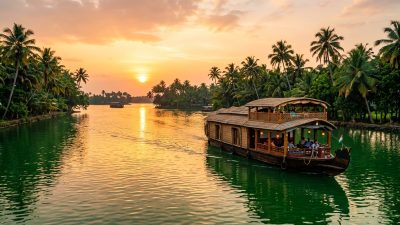
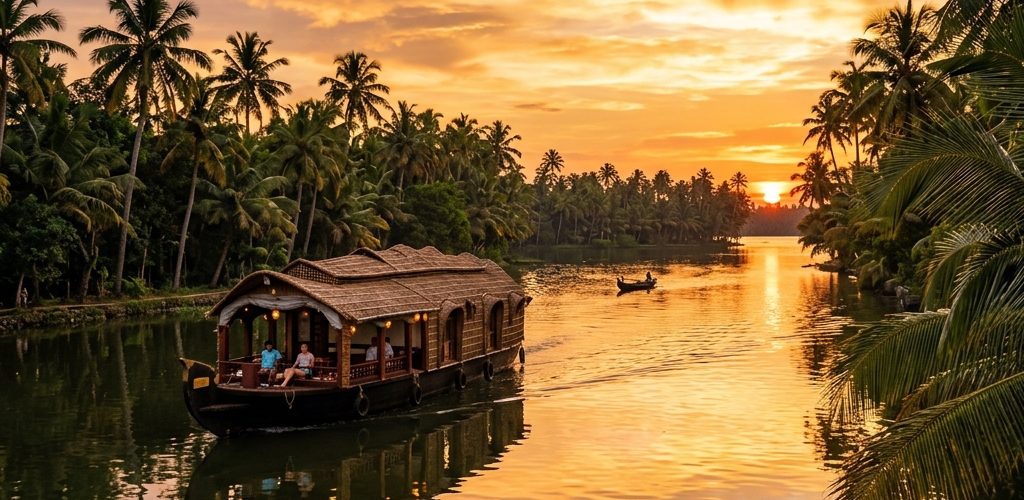
This is the season when Kerala’s backwaters are at their most navigable and picturesque. The network of lagoons, canals, and rivers that stretch from Kollam to Kochi — collectively known as the Kerala Backwaters — is best experienced aboard a traditional kettuvallam (houseboat), which can be rented for overnight cruises starting from approximately ₹6,000 to ₹25,000 depending on the vessel’s size and amenities. The backwater village of Alleppey (Alappuzha), often called the “Venice of the East,” is the primary departure point for most houseboat experiences.
The hill station of Munnar, located at an elevation of 1,600 metres in the Idukki district, is at its most pleasant during these months. The tea plantations that carpet the surrounding hills glow with the bright green of new growth, the Eravikulam National Park — home to the endangered Nilgiri tahr — is open for visitors, and conditions are ideal for hiking and outdoor exploration. The drive from Kochi to Munnar, ascending through 30 hairpin bends with progressively more dramatic views, is one of India’s great road journeys.
March to May: The Pre-Monsoon Window
As temperatures rise across India, Kerala becomes warmer but remains manageable, particularly in the highlands. March and April are excellent months for beach destinations along the Malabar and South Kerala coasts, where sea conditions are calm and water temperatures are warm. Varkala, with its dramatic cliffside setting and mineral springs, and Marari Beach, a quieter alternative to busier Kerala beaches, are particularly appealing during this period.
This is also the season for Kerala’s most spectacular cultural festival: Thrissur Pooram, typically held in April or May, a festival of competitive temple processions featuring dozens of caparisoned elephants, traditional percussion ensembles (chenda melam), and a fireworks display that is among the most elaborate in India. The festival attracts over a million spectators and offers an immersive experience of Kerala’s unique cultural identity.
Wildlife enthusiasts will find the pre-monsoon months rewarding at Periyar Tiger Reserve in Thekkady. As water sources in the forest diminish, animals congregate around the Periyar Lake, improving sighting opportunities. Elephant herds, gaur (Indian bison), sambar deer, and occasionally tigers and leopards can be observed from boat safaris on the lake — a uniquely Kerala wildlife experience.
June to September: The Monsoon Experience
Kerala’s relationship with the monsoon is intimate and defining. The southwest monsoon, which typically arrives in early June, transforms the state into a world of lush, almost excessive greenery, swollen rivers, and dramatic skies. While many visitors avoid the monsoon months, an increasing number of travellers are discovering the monsoon’s unique appeal — and Kerala’s tourism industry has responded with dedicated “monsoon packages” that offer significant discounts on accommodation and activities.
Ayurvedic tourism peaks during the monsoon. According to Ayurvedic tradition, the monsoon months are the ideal time for Panchakarma (detoxification therapy) and other treatments, as the body’s pores are believed to be more receptive to herbal oils and therapies during the humid conditions. Kerala’s numerous Ayurvedic resorts — from luxurious properties like Somatheeram and Kalari Kovilakom to traditional village clinics — offer programmes ranging from a few days to several weeks.
The Nehru Trophy Boat Race, held on the second Saturday of August on Punnamada Lake in Alleppey, is the most famous of Kerala’s snake boat races. The sight of over 100 rowers powering a 30-metre-long chundan vallam (snake boat) through the backwaters, accompanied by songs and the roar of thousands of spectators, is one of Kerala’s most thrilling sporting spectacles.
Destination Deep Dives
Kochi (Cochin): Kerala’s commercial capital and gateway city is a destination in itself. Fort Kochi, with its Chinese fishing nets, colonial churches, and art galleries, is one of India’s most walkable and photogenic neighbourhoods. The Kochi-Muziris Biennale, India’s largest contemporary art festival held in alternate years, has established Fort Kochi as an international art destination. The city also serves as the departure point for backwater cruises and the gateway to the hill stations of the Western Ghats.
Wayanad: This highland district in northern Kerala, bordering Karnataka and Tamil Nadu, offers a different character from the more developed southern regions. Dense forests, tribal communities, spice plantations, and adventure activities including bamboo rafting and zip-lining make Wayanad increasingly popular with younger travellers. The Edakkal Caves, containing prehistoric petroglyphs dating back thousands of years, are a unique archaeological attraction.
Kovalam and Trivandrum: Kerala’s southernmost stretch combines beach tourism with cultural depth. Kovalam’s crescent-shaped beaches, while more developed than they once were, remain beautiful, and the capital city of Thiruvananthapuram (Trivandrum) offers the magnificent Padmanabhaswamy Temple, the Napier Museum, and a vibrant local food scene.
Culinary Kerala
Kerala’s cuisine is a highlight that deserves dedicated attention. The traditional sadya — a vegetarian feast served on banana leaves during festivals, particularly Onam — can include up to 26 dishes and represents one of India’s great culinary traditions. Seafood is exceptional throughout the coast, with karimeen (pearl spot fish) pollichathu, prawn moilee, and fish curry with tapioca ranking among the state’s signature dishes.
Kerala’s spice heritage — it was the spice trade that drew the Portuguese, Dutch, and British to this coast — is visible in its cuisine’s liberal use of black pepper, cardamom, cinnamon, and cloves, all grown in the highlands. Spice plantation tours in Thekkady and Wayanad offer both educational experiences and the opportunity to purchase high-quality spices directly from growers.
Getting Around Kerala in 2026
Kerala’s transportation infrastructure has improved markedly. Kochi International Airport serves as the primary gateway, with domestic connections from all major Indian cities and international flights from the Gulf states, Southeast Asia, and Europe. The Trivandrum International Airport serves the southern region. The proposed Vande Bharat Express route connecting major Kerala cities is eagerly anticipated. Within the state, the railway network, bus services, and an expanding network of well-maintained roads make independent travel straightforward.
For visitors arriving from other South Indian destinations, Kerala integrates beautifully into broader itineraries. The circuit from Chennai through Pondicherry and Madurai to Kerala, or from Bengaluru through Mysore to Wayanad, offers diverse experiences across multiple states.
Kerala in 2026 is more accessible, more diverse in its offerings, and more attuned to sustainable tourism principles than ever before. Whether you come for the backwaters, the mountains, the beaches, the food, or the culture — or, most wisely, for all of them — God’s Own Country delivers on its extravagant promise.

- Mamaearth, boAt, and Noise: How India’s D2C Champions Are Chasing Profitability in 2026 - March 24, 2026
- India’s D2C Brands Bet Big on Offline Expansion as Quick Commerce Reshapes the Playbook - March 24, 2026
- Himalayan Trekking in 2026: Top Routes and New Trails for Adventure Seekers in India - March 24, 2026