Lakme Fashion Week 2026 Sets the Tone as India Textile Sector Turns Optimistic After US Trade Deal

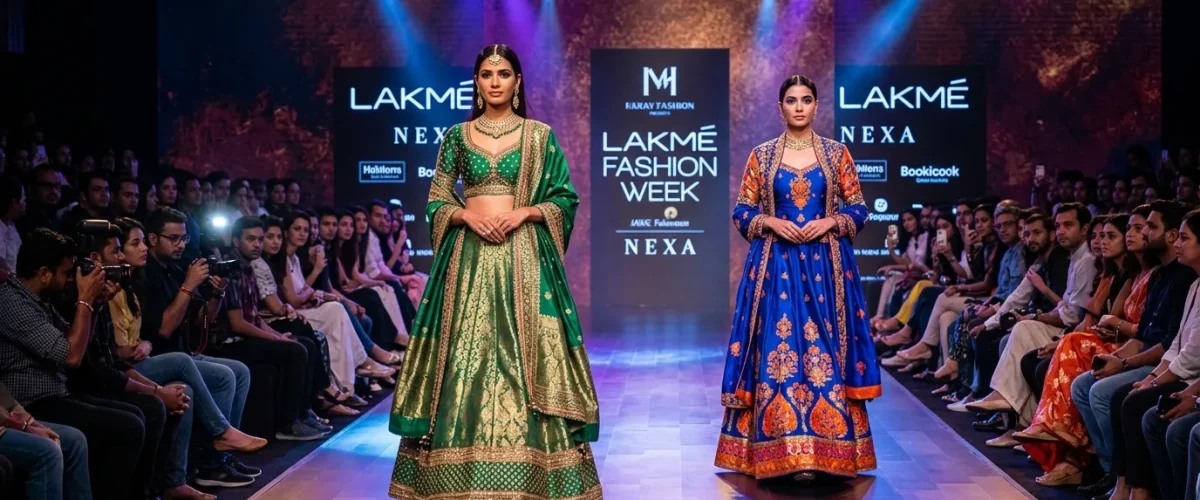
Lakme Fashion Week X FDCI returned to the Jio World Convention Centre in Mumbai from 19 to 22 March 2026, bringing together top Indian designers alongside emerging talent. The four-day showcase came as the broader textile sector entered 2026 with renewed optimism, buoyed by the US-India trade agreement that introduced an 18 per cent reciprocal tariff framework and opened new export corridors.
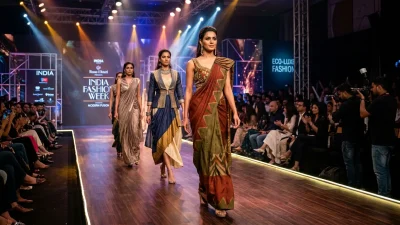
Over 60 designers showcased collections across the four days. Highlights included AK|OK by Anamika Khanna, Amit Aggarwal, Rahul Mishra, CHOLA, and Kartik Research. Sustainability and artisanal craftsmanship emerged as the dominant themes of the season.
Heritage Meets Innovation on the Runway
Anamika Khanna’s AK|OK collection celebrated the modern Indian man in layered, evolving silhouettes. The Boy’s Club and Abraham and Thakore, in collaboration with L’Atelier 1664, explored menswear through the lens of tradition meeting functionality.
Rahul Mishra brought his signature sustainability-first approach, using hand-embroidered motifs inspired by Indian wetland ecosystems. Amit Aggarwal continued his experiments with recycled polymer structures, creating sculptural evening wear that drew international attention.
India’s bridal fashion industry crossed Rs 5,000 crore this year, and several designers at LFW showcased bridal collections blending AI-driven personalisation with traditional craftsmanship. The fashion industry’s digital transformation is accelerating across segments.
Textile Sector Turns Optimistic After Difficult 2025
Beyond the runway, India’s textile and apparel industry enters 2026 with cautious optimism. After a challenging 2025 marked by global supply-chain disruptions and elevated US tariffs, several structural reforms are improving competitiveness.
The US-India joint statement from February 2026 introduced a reciprocal tariff rate of 18 per cent on Indian goods including textiles, apparel, leather and footwear. While tariffs remain, the framework provides clarity that exporters lacked in 2025. Industry leaders say predictable tariff rates allow better planning for pricing, sourcing and buyer negotiations.
Lower interest rates, labour-code clarity and expanding Free Trade Agreements with the EU and ASEAN are further strengthening the sector. Strong domestic retail momentum and sustainability-led investments add to the positive outlook.
D2C Fashion Brands Scale Rapidly
D2C brands are building international presence in fashion, beauty and lifestyle. India’s online fashion market is expected to cross $30 billion by 2027, driven by mobile commerce and social media marketing.
Gen Z consumers are reshaping social habits, and their fashion choices lean toward sustainable, locally sourced brands. This demographic shift is driving both legacy designers and new D2C entrants to rethink their strategies.
What Lies Ahead for Indian Fashion
The next major fashion event is India Couture Week in July, where bridal and luxury collections will take centre stage. Meanwhile, textile exporters are watching the April deadline for Jio’s pricing compliance and broader trade policy developments that could reshape supply chains across the sector.