Micro-Bars, Zero-Waste Cocktails, and Chef Collabs: How India’s Restaurant Culture Is Evolving in 2026

The Death of the Generic Restaurant
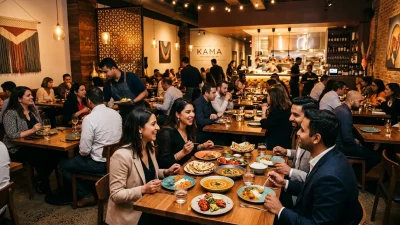
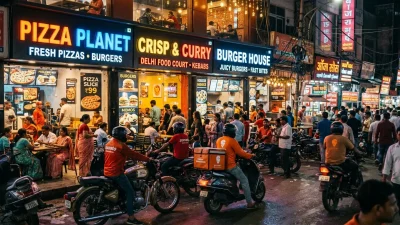
India’s restaurant industry in 2026 is undergoing a philosophical transformation as significant as any culinary technique or ingredient trend. The era of the generic multi-cuisine restaurant — the catch-all establishment that serves passable versions of Indian, Chinese, Continental, and Italian food — is giving way to a new generation of hyper-specific, concept-driven dining experiences that prioritise identity over breadth. From nine-seat cocktail bars to zero-waste kitchens, chef residency programmes to GI-tagged ingredient menus, the Indian dining landscape is evolving at a pace that would have been unimaginable a decade ago.
This evolution is not happening in isolation. It reflects the maturation of Indian consumer culture — a population of diners who have travelled widely, consumed global food media voraciously, and developed palates sophisticated enough to appreciate, and demand, authenticity and creativity in equal measure.
The Rise of the Micro-Bar
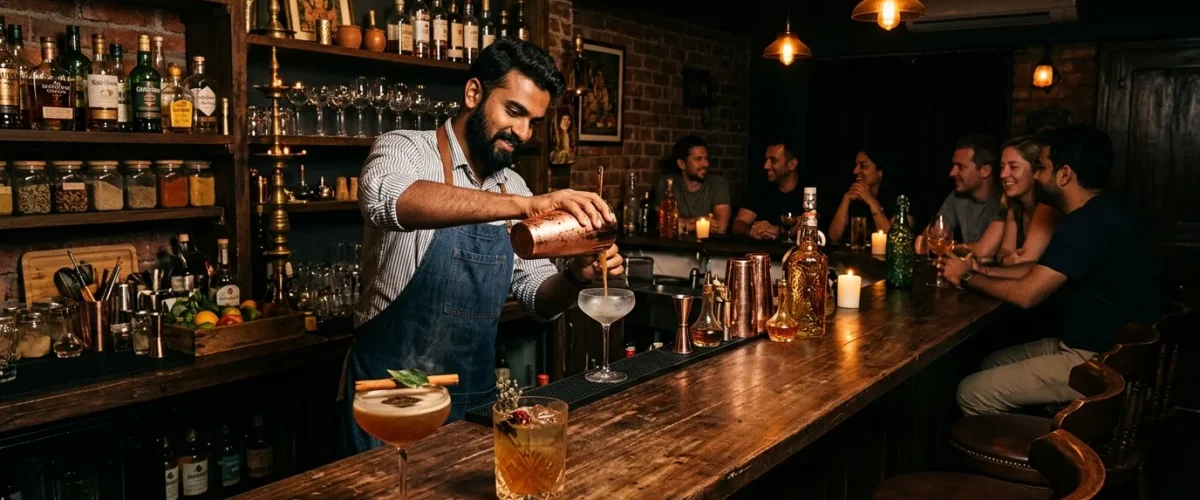
The micro-bar — an intimate, limited-capacity drinking establishment that treats cocktail service as a performative art — has emerged as one of the most significant format innovations in Indian hospitality. Delhi’s The Cavity, which seats just nine guests for a cocktail tasting menu built around GI-tagged Indian ingredients, represents the purest expression of this concept. But it is far from alone.
In Mumbai, Petrichor — a 12-seat bar hidden behind an unmarked door in a Byculla warehouse — serves a rotating menu of cocktails inspired by Indian monsoon ingredients: vetiver, raw mango, petrichor-infused spirits (created by distilling rain-soaked earth), and fresh toddy. In Bengaluru, Alembic occupies a converted garage in Indiranagar and offers a cocktail menu structured like a wine tasting, with each drink representing a different Indian terroir.
The micro-bar model works commercially because its small size allows operators to charge premium prices while maintaining low overhead. A nine-seat bar requires fewer staff, less inventory, and minimal marketing — word of mouth and social media do the rest. The format also creates an inherent scarcity that drives demand: when a bar has only nine seats and is open three nights a week, every reservation becomes a coveted experience.
Zero-Waste Kitchens Go Mainstream
Sustainability in Indian restaurants has moved beyond buzzword status into operational reality. A growing number of establishments are adopting zero-waste kitchen practices — using every part of every ingredient, composting what cannot be consumed, and designing menus around seasonal availability rather than fixed offerings.
Delhi’s Second Born rooftop bar exemplifies this approach by creating cocktails from by-products of its sister restaurant Staple’s kitchen. Whey from paneer production becomes a clarifying agent for gin cocktails; citrus peels from the dessert station infuse house-made bitters; stale bread is fermented into a kvass-style base for seasonal spritz drinks. The waste-to-cocktail pipeline has reduced Second Born’s ingredient costs by an estimated 30 per cent while producing drinks that are more interesting than conventional recipes.
In Goa, Pincode restaurant sources 90 per cent of its ingredients from within a 50-kilometre radius, working directly with local farmers, fishermen, and foragers. Menu items change weekly based on what is available, and dishes that cannot sell are repurposed into staff meals, preserves, or composting material. This hyper-local sourcing model connects the revival of India’s regional cuisines in fine dining with practical sustainability — an alignment that resonates strongly with environmentally conscious diners.
Chef Collaborations and Residency Programmes
The chef collaboration model — where a guest chef takes over a restaurant’s kitchen for a limited period — has transformed from a Western import into a thriving Indian format. Pop-up dinners and chef residencies are now regular features of the dining calendar in Mumbai, Delhi, Bengaluru, and increasingly in tier-2 cities such as Chandigarh, Kochi, and Ahmedabad.
The model benefits all parties. Host restaurants gain novelty and media attention; guest chefs access new audiences and test concepts without the capital investment of opening their own establishment; diners enjoy unique, unrepeatable experiences. Notable collaborations in early 2026 include a Chettinad chef from Karaikudi cooking at a Delhi contemporary restaurant, a Kashmiri wazwan master conducting a three-night residency in Mumbai, and a Japanese izakaya chef partnering with an Indian street food vendor in Bengaluru.
These collaborations are also creating new career pathways for Indian chefs. Traditionally, a chef’s career progression required either opening a restaurant (capital-intensive and risky) or ascending within a hotel chain (structured but creatively limiting). The collaboration model offers a third path: building a personal brand through a series of high-profile appearances, much as musicians build careers through touring rather than being signed to a single venue.
Technology Transforms the Dining Experience
India’s restaurant technology ecosystem has matured rapidly. QR-code menus, which proliferated during the pandemic as a hygiene measure, have evolved into sophisticated digital ordering systems that integrate with kitchen management, inventory tracking, and customer relationship management platforms. The ubiquity of UPI digital payments across India has made cashless dining the default in urban restaurants — many new establishments in 2026 do not accept cash at all.
Reservation platforms such as Dineout, EazyDiner, and the recently launched TableFirst are using AI-powered recommendation engines to match diners with restaurants based on mood, occasion, dietary preferences, and past dining history. For restaurants, these platforms provide data analytics that inform menu design, pricing strategies, and marketing decisions.
The Democratisation of Fine Dining
One of the most encouraging trends in India’s restaurant evolution is the democratisation of fine dining concepts. Techniques and presentation standards that were once exclusive to ₹5,000-per-head establishments are appearing at restaurants with average checks of ₹800 to ₹1,500. A chef who trained at an upscale establishment might open a neighbourhood restaurant that applies the same rigour to a more accessible menu — precision-cooked dal makhani rather than truffle risotto, but with equal attention to technique and ingredients.
The wave of new restaurant openings across India in March 2026 includes multiple examples of this phenomenon. PUBLIC Beer Hall in Versova serves ₹200 regional snacks prepared with the same attention to sourcing and technique that its parent group applies to its premium cocktail bars. Novy in Gurugram offers a ₹1,200 prix fixe menu that delivers fine-dining quality at casual-dining prices.
What Comes Next
India’s restaurant culture is entering what might be called its “specificity era” — a period defined by restaurants that know exactly what they are and who they serve. The generic multi-cuisine establishment will not disappear, but it will increasingly cede cultural relevance to venues with clear identities, genuine stories, and the culinary skill to back up their concepts.
For Indian diners, this evolution means more choices, more quality, and more reasons to eat out. For the industry, it means higher barriers to entry but greater rewards for those who clear them. And for Indian food culture broadly, it means a future where dining out is not merely consumption but experience — a distinction that the best restaurants in India are already, deliciously, making real.

- Fentanyl Vaccine Breakthrough: Scripps Research Develops Shot That Blocks Deadly Overdoses Before They Reach the Brain - June 13, 2026
- Nipah Virus Returns to Kerala — First Case of 2026 Confirmed, State Declares High Alert - June 12, 2026
- Jill Biden Reveals She Wanted to Keep PM Modi’s 7.5-Carat Diamond Gift but Returned It After State Department Valued It at $20,000 - June 8, 2026