India Art Fair 2026: How South Asia’s Biggest Art Event Is Redefining Contemporary Indian Art

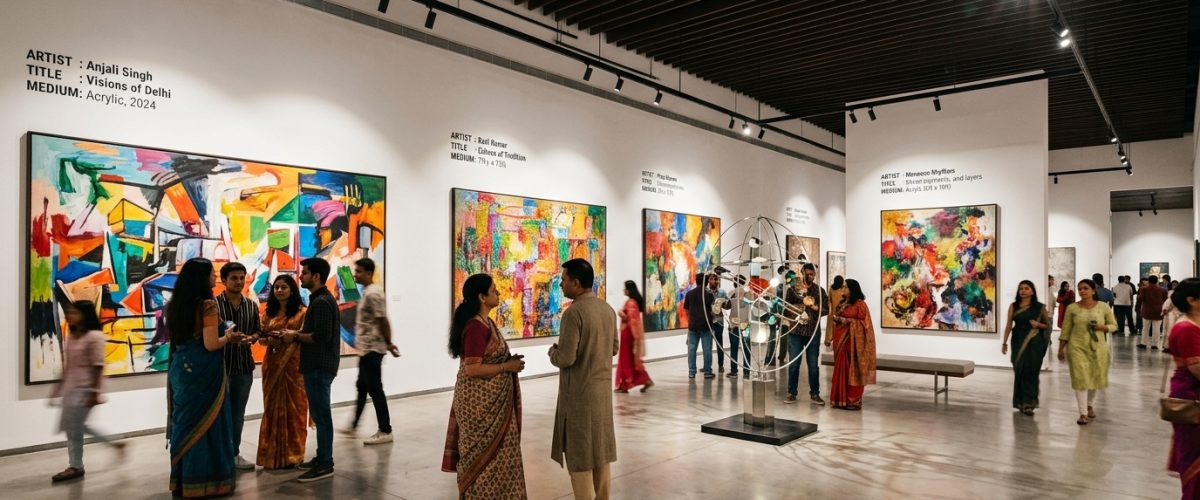
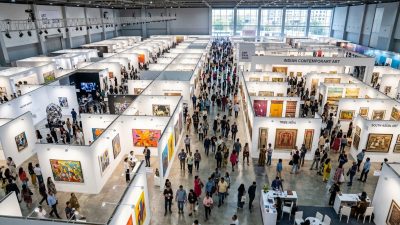
The India Art Fair, South Asia’s pre-eminent art event, returned to New Delhi in early 2026 with an edition that organisers describe as its most ambitious yet. Spread across the sprawling grounds of the NSIC Exhibition Complex, the fair brought together over 80 galleries from India and across the globe, showcasing work by more than 1,000 artists spanning contemporary painting, sculpture, installation, digital art, and performance. In a year when India’s cultural sector is asserting its relevance with renewed vigour, the 2026 edition of the India Art Fair arrived as both a commercial marketplace and a statement of artistic intent.
Scale, Scope and New Directions
The 2026 India Art Fair represents a significant expansion from previous editions, both in physical footprint and conceptual ambition. The fair’s curatorial programme, titled Diaries, Soliloquies and Stories We Tell, explored themes of personal narrative, collective memory, and the ways in which art mediates between individual experience and shared history. This thematic framework connected work across diverse media and geographic origins, creating dialogues between established masters and emerging voices that illuminated unexpected resonances.
The gallery presentations reflected the Indian art market’s increasing maturation. Major Indian galleries — including those based in Mumbai, Delhi, Bengaluru, and Kolkata — presented curated booths that balanced commercial appeal with artistic substance, showcasing established names alongside emerging artists whose work reflects the concerns and aesthetics of a younger generation. International galleries from London, New York, Dubai, and Singapore brought work that placed Indian art within global conversations, reinforcing the fair’s aspiration to function as a bridge between South Asian and international art ecosystems.
Digital Art and NFTs: The Evolving Frontier
Perhaps the most visually striking aspect of the 2026 edition was the expanded presence of digital art and technology-mediated works. A dedicated section showcased artists working with AI-generated imagery, interactive installations, virtual reality experiences, and blockchain-based art — reflecting the technology sector’s growing influence on creative practice. The intersection of art and technology, which has generated both excitement and scepticism in equal measure, was a persistent theme in panel discussions and curatorial statements throughout the fair.
The NFT market, which experienced a dramatic boom and subsequent correction in previous years, was represented more thoughtfully in 2026. Rather than the speculative frenzy that characterised earlier editions, this year’s digital art presentations emphasised artistic merit and conceptual depth, suggesting that the technology-art intersection is maturing beyond novelty. These developments connect to broader conversations about India’s technology landscape, including those explored at the AI Summit 2026, where AI’s creative potential was among the topics discussed.
The Commercial Pulse
For all its curatorial ambition, the India Art Fair remains fundamentally a commercial event, and the 2026 edition delivered encouraging signals about the health of the Indian art market. Several galleries reported strong sales during the fair’s VIP preview day, with works by both established and mid-career artists finding buyers at prices that reflected confidence in the market’s trajectory. The price range of works sold spanned from accessible prints priced under ₹50,000 to major works by established artists commanding figures in the crores.
The buyer profile at the 2026 fair reflected the broadening of India’s collector base. While established collectors from Mumbai and Delhi remained the primary buyers, the fair saw increased participation from collectors based in tier-2 cities, young professionals making their first art acquisitions, and corporate buyers acquiring works for office spaces and institutional collections. This democratisation of collecting, while still in its early stages, represents a positive evolution for an art market that has historically been concentrated among a small elite.
Emerging Artists: The Next Generation
One of the fair’s most exciting dimensions was its spotlight on emerging Indian artists whose work challenges conventional categories and reflects the preoccupations of a generation shaped by globalisation, digital culture, and social upheaval. Artists working across painting, mixed media, video, and installation presented work that engaged with themes including environmental crisis, urban transformation, gender identity, migration, and the politics of memory.
Several emerging artists received significant critical attention during the fair, with curators and critics identifying them as voices to watch. The quality and conceptual sophistication of the youngest generation of Indian artists suggest that the country’s art education infrastructure — while still uneven — is producing talent capable of contributing to international art discourse. Grants, residencies, and mentorship programmes supported by galleries and foundations have played a crucial role in nurturing this talent, creating pathways from art school to professional practice that did not exist a decade ago.
Performance Art and the Expanding Definition of Art
The 2026 fair’s programme of live performances and time-based works reflected the expanding definition of contemporary art in India. Performance art, which has historically occupied a marginal position in the Indian art ecosystem, received dedicated programming that attracted significant audience engagement. Works that combined movement, sound, text, and visual elements challenged the fair’s predominantly object-oriented commercial model, raising productive questions about what can be bought, sold, and collected in a contemporary art context.
This expansion aligns with global trends in contemporary art, where the boundaries between visual art, theatre, dance, and music are increasingly fluid. For the India Art Fair, embracing performance represents both a curatorial statement and a strategic positioning — aligning the event with the most progressive international art fairs while reflecting the interdisciplinary practices of many Indian artists.
India’s Art Market in Global Context
The 2026 India Art Fair arrives at a moment when Indian art is receiving unprecedented international attention. Indian artists are represented in major international exhibitions, biennales, and museum collections with a frequency that reflects growing curatorial interest in South Asian artistic practice. Auction results for Indian contemporary art have shown consistent strength, with several artists achieving record prices at international auction houses in 2025 and early 2026.
This international recognition creates opportunities but also challenges. The risk of market-driven production — artists creating work that caters to international tastes rather than following their own creative imperatives — is a concern voiced by critics and artists alike. The most compelling work at the 2026 fair was that which resisted easy categorisation, maintaining cultural specificity while engaging with universal themes in ways that felt neither parochial nor pandering.
Infrastructure and Institutional Development
Beyond the fair itself, 2026 is proving a significant year for India’s art infrastructure. New museum projects, gallery openings, and art spaces across the country are expanding the institutional landscape that supports artistic production and audience engagement. Major cities are investing in cultural infrastructure that positions art alongside entertainment and technology as pillars of urban identity — a development that connects to broader urbanisation trends reshaping Indian cities.
The fair also highlighted the growing importance of digital infrastructure for the art world. Online viewing rooms, virtual gallery tours, and digital catalogues have become standard offerings, extending the fair’s reach beyond physical attendees to a global audience. This digital layer does not replace the experience of encountering art in person — a point that the fair’s organisers are at pains to emphasise — but it supplements it, creating awareness and engagement that can translate into future physical visits and purchases.
As India’s cultural sector continues to mature and diversify — from the entertainment industry’s dynamic evolution captured in Bollywood’s ambitious 2026 slate to emerging literary voices and fashion innovation — the India Art Fair stands as a flagship event that demonstrates the depth and vitality of contemporary Indian art. The 2026 edition confirms that India’s art world is not merely participating in global conversations but increasingly shaping them.

- Northeast India Emerges as 2026’s Hottest Travel Destination as Jorhat-Majuli Searches Spike - March 25, 2026
- Mamaearth, boAt, and Noise: How India’s D2C Champions Are Chasing Profitability in 2026 - March 24, 2026
- India’s D2C Brands Bet Big on Offline Expansion as Quick Commerce Reshapes the Playbook - March 24, 2026