From Jaipur Lit Fest to Sahitya Akademi: The Institutions Powering India’s Literary Ecosystem in 2026

India’s literary ecosystem in 2026 is sustained by an intricate network of awards, festivals, institutions, and public intellectual traditions that collectively nurture writing talent, promote reading culture, and contribute to the nation’s broader cultural discourse. From the globally recognised Jaipur Literature Festival to the venerable Sahitya Akademi awards, these institutions provide the scaffolding upon which Indian literary life is built.
The Jaipur Literature Festival: A Global Literary Crossroads
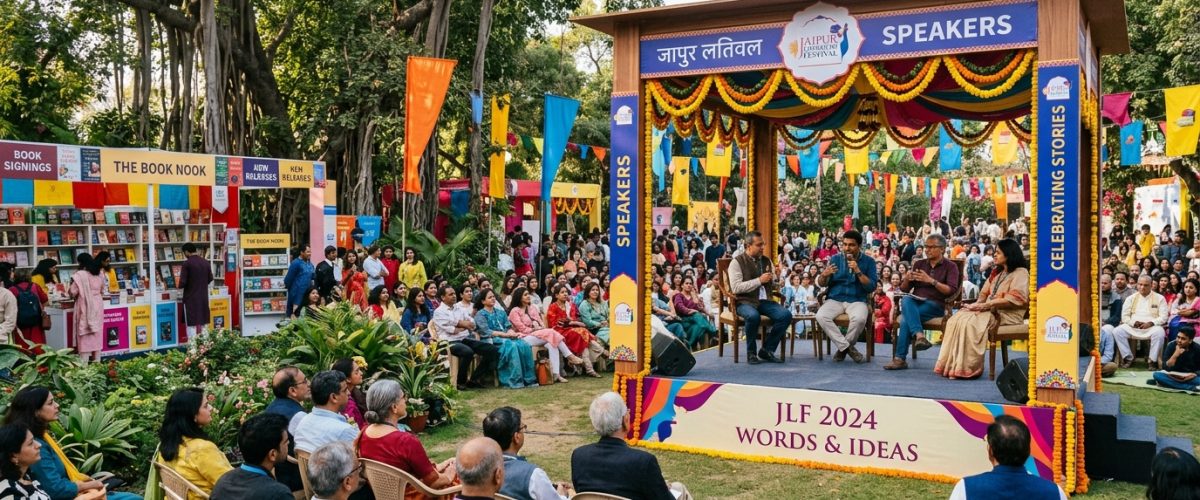
The Jaipur Literature Festival has grown to what is widely regarded as the world’s largest free literary festival, attracting an estimated 500,000 visitors over its five-day programme in January 2026. The eighteenth edition featured over 300 speakers across 200 sessions, encompassing literary discussions, policy debates, and performing arts events.
This year’s edition was notable for its emphasis on Indian-language literature, with dedicated programming tracks for Hindi, Urdu, Tamil, Bengali, and Rajasthani literary traditions. The JLF’s international reputation continues to grow with satellite editions worldwide. The cultural significance of such events mirrors the value of IPL 2026 Season Preview: Key Transfers, Injuries, and Franchise Strategies.
Literary Awards: Recognition and Its Discontents
The Sahitya Akademi Awards remain the most prestigious recognition for literature in Indian languages, honouring works in 24 languages including tribal languages with smaller but vital literary cultures. The JCB Prize for Literature at ₹25 lakh has become the most commercially impactful English-language prize, with winning titles experiencing significant sales boosts.
The DSC Prize for South Asian Literature, Crossword Book Awards, and Tata Literature Live! awards complete a constellation of prizes. However, debates about jury composition, the predominance of English-language works in media coverage, and the limited financial impact of most prizes on authors’ livelihoods persist.
Book Fairs: Commerce Meets Culture
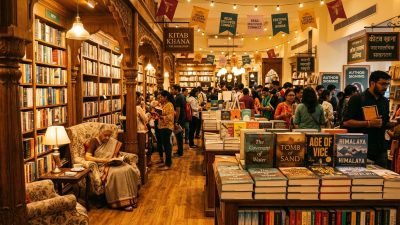
The New Delhi World Book Fair attracted over 1.5 million visitors in 2026. The Kolkata Book Fair, with over 1,000 participating publishers, generated estimated sales of ₹25 crore during its twelve-day run. Regional fairs in Chennai, Mumbai, Bengaluru, and Hyderabad have grown in scale, reflecting expanding regional-language publishing markets. These fairs serve as important discovery platforms for readers with limited bookshop access.
Publishing Houses and Editorial Vision
Major international publishers have expanded commissioning budgets, reflecting confidence in the Indian market. Independent publishers including Juggernaut Books, Speaking Tiger, and Westland have carved distinctive identities through focused commissioning. Several Indian novels published recently have been acquired for international publication. The international appeal connects to trends in AI Summit 2026: India Showcases Ambitions but Structural Gaps Exposed.
Writing Programmes and Translation
Creative writing programmes at Ashoka University and Shiv Nadar University have produced graduates publishing acclaimed debut works. Mentorship programmes have accelerated the development of notable debut authors. Literary translation has emerged as one of the most important activities in Indian literary culture. The Sahitya Akademi’s translation programme and the National Translation Mission support cross-linguistic access.
Digital Platforms and the Future of Reading
Platforms like Pratilipi, Wattpad, and Kindle Direct Publishing have democratised literary production. Social media book communities on Instagram (Bookstagram) and YouTube (BookTube) have created vibrant spaces for reading culture. These online communities represent a significant shift in how cultural taste is formed, as explored in March 2026 in Bollywood: Anil Kapoor Leads Bold Storytelling.
Sustaining India’s Literary Future
India’s literary ecosystem is richer, more diverse, and more internationally connected than at any previous point. The challenges of equitable recognition across languages, sustainable livelihoods for writers and translators, and accessible literary infrastructure remain. Yet the vitality of Indian literary production provides powerful grounds for optimism.

- Northeast India Emerges as 2026’s Hottest Travel Destination as Jorhat-Majuli Searches Spike - March 25, 2026
- Mamaearth, boAt, and Noise: How India’s D2C Champions Are Chasing Profitability in 2026 - March 24, 2026
- India’s D2C Brands Bet Big on Offline Expansion as Quick Commerce Reshapes the Playbook - March 24, 2026