Most Anticipated Indian Books of 2026: From Booker-Winning Authors to Bold New Voices in Fiction and Non-Fiction

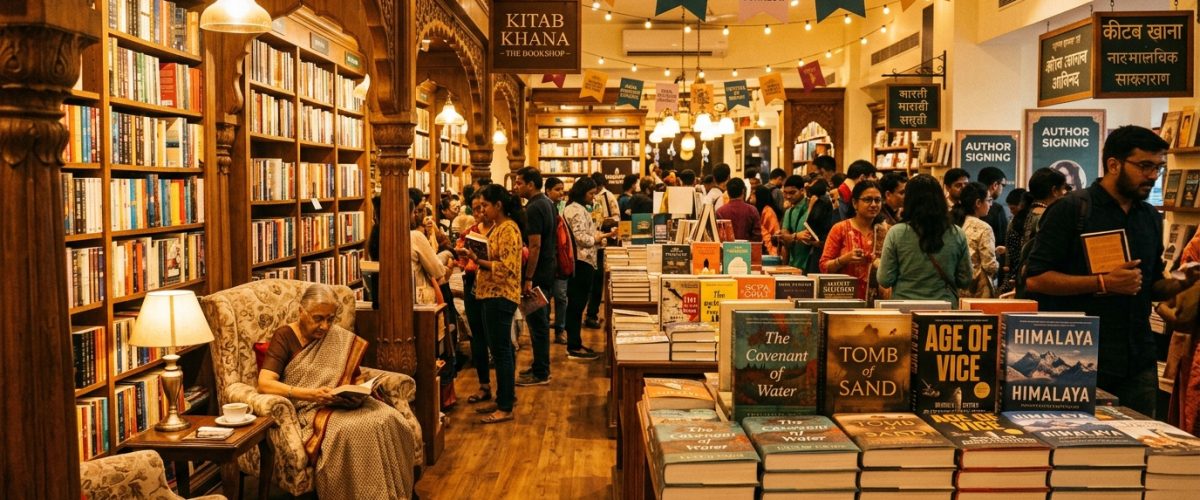
Indian writing enters 2026 with a confidence born of recent triumph and sustained creative momentum. The year follows a remarkable 2025 for Indian literature, during which Banu Mushtaq won the International Booker Prize for Heart Lamp: Selected Stories, translated from Kannada by Deepa Bhasthi — a victory that underscored both the richness of India’s regional literary traditions and the growing international appetite for stories from the subcontinent. As publishers unveil their 2026 lists, the landscape reveals an Indian literary ecosystem that is more diverse, more ambitious, and more globally connected than at any previous moment.
Fiction: The Year’s Must-Read Novels
The fiction slate for 2026 is headlined by anticipated new works from several of India’s most acclaimed novelists. Established names whose previous books have appeared on international prize shortlists are returning with novels that tackle themes ranging from the partition’s long shadows to contemporary India’s technological transformation. These works arrive with the commercial and critical expectations that attend established literary reputations, and early reports from publishing houses suggest that several are being positioned for major international prizes.
Equally exciting are the debut novels on the 2026 calendar. Indian publishing houses, responding to the commercial success of fresh voices in recent years, have invested significantly in first-time novelists whose work reflects the concerns of a younger generation. Themes of digital identity, climate anxiety, urban alienation, queer experience, and the collision between tradition and modernity feature prominently in these debuts, offering perspectives that established authors may not capture with the same immediacy. The diversity of these voices — hailing from different regions, languages, and social backgrounds — enriches the literary landscape immeasurably.
Non-Fiction: Understanding India in Real Time
Indian non-fiction publishing in 2026 reflects the country’s appetite for understanding itself. Books examining India’s economic trajectory, political evolution, social transformation, and technological ambitions dominate non-fiction lists, offering analysis and reportage that helps readers make sense of a rapidly changing nation. Several titles focus on India’s AI and technology sector, connecting to the themes explored at events like India’s AI Summit 2026 and the country’s structural technology challenges.
Memoir and autobiography continue to perform strongly, with several high-profile personal narratives scheduled for 2026 release. These include accounts from figures in politics, business, sport, and entertainment whose life stories double as portraits of India’s recent history. The cricket memoir, perennially popular in India, is well represented, with at least two major titles from recently retired players offering insider perspectives on the sport that doubles as national religion.
Regional Language Literature: The Translation Boom
One of the most significant developments in Indian publishing is the explosion of translation activity bringing regional language literature to English-reading audiences. The success of translated works at international prizes — culminating in Banu Mushtaq’s Booker victory — has created commercial incentives for publishers to invest in translation, and the 2026 publishing calendar reflects this enthusiasm. Novels and story collections translated from Tamil, Malayalam, Bengali, Marathi, Urdu, and Hindi feature prominently on major publishers’ lists, offering English-language readers access to literary traditions of extraordinary depth and sophistication.
The translation boom serves a dual purpose: it expands the audience for regional writers whose work might otherwise remain accessible only to speakers of their language, and it enriches the English-language literary marketplace with perspectives and storytelling traditions that broaden readers’ imaginative horizons. Translators, long undervalued in the Indian publishing ecosystem, are receiving increasing recognition as creative artists in their own right — a shift that reflects the growing understanding that translation is not mechanical reproduction but interpretive art.
The Publishing Industry’s Evolution
India’s publishing industry in 2026 is navigating a complex commercial landscape. Print book sales, while holding steady in absolute terms, face competition from audiobooks and digital formats whose growth rates significantly outpace physical publishing. Indian publishers are investing in audio content, with several major houses launching dedicated audiobook imprints and partnering with platforms like Audible and Storytel to reach the growing audience that prefers listening to reading.
The direct-to-consumer model is also gaining traction, with publishers and authors exploring subscription services, crowdfunding platforms, and social media-driven marketing that bypasses traditional retail channels. These innovations reflect the same digital transformation reshaping other Indian industries, from entertainment — where streaming platforms have revolutionised content consumption — to fashion and the arts.
Literary Festivals: India’s Cultural Calendar
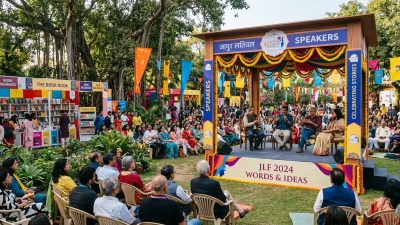
India’s literary festival circuit, which has expanded dramatically over the past decade, provides crucial infrastructure for the publishing ecosystem. The Jaipur Literature Festival, the world’s largest free literary event, anchors a calendar that now includes dozens of festivals across the country — from intimate events in hill stations to major urban gatherings in Mumbai, Delhi, Kolkata, and Chennai. These festivals serve multiple functions: they generate media attention that drives book sales, they create spaces for intellectual exchange that nourish the literary community, and they provide platforms for emerging writers to reach new audiences.
The 2026 festival season has seen particularly strong attendance, suggesting that the reading public’s appetite for literary engagement extends beyond the page to the communal experience of gathering around ideas and stories. This cultural vitality connects to broader trends in Indian arts and entertainment, from the visual arts revolution captured at the India Art Fair 2026 to the performing arts and festival culture that defines Indian public life.
Genre Fiction’s Growing Respectability
Indian genre fiction — crime, thriller, fantasy, science fiction, romance — has achieved a level of commercial success and critical respect in 2026 that would have surprised observers a decade ago. Indian crime fiction, in particular, has established itself as a significant literary category, with writers setting procedural narratives against the backdrop of Indian cities and social structures in ways that combine page-turning readability with social commentary. Fantasy and mythology-inspired fiction, drawing on India’s inexhaustible repository of mythological narratives, continues to find enthusiastic audiences both domestically and internationally.
The genre fiction boom reflects the reading habits of a younger Indian audience that came to books through popular entertainment rather than literary prestige. For these readers, genre conventions are not limitations but frameworks within which talented writers can explore themes of identity, justice, power, and belonging. The best Indian genre fiction of 2026 demonstrates that the boundary between “literary” and “genre” writing is more porous than publishing categories suggest.
Children’s and Young Adult Literature
Indian children’s and young adult (YA) publishing is experiencing its own renaissance in 2026. Driven by a growing middle-class market that values reading as both education and entertainment, publishers are investing in original Indian content for young readers that goes beyond the mythological retellings that long dominated the category. Contemporary realistic fiction addressing issues like bullying, mental health, environmental consciousness, and cultural identity is finding eager readers among Indian children and teenagers who seek stories that reflect their lived experiences.
The YA category has proven particularly dynamic, with Indian authors producing work that competes for attention alongside international YA bestsellers. These books address the unique pressures of growing up in contemporary India — the examination system, parental expectations, the collision of traditional values with global culture — with a frankness and emotional intelligence that resonates with their target audience.
Looking Ahead
As 2026 unfolds, Indian literature stands at a moment of remarkable vitality and possibility. The combination of international recognition, commercial growth, digital innovation, and creative diversity positions Indian writing as one of the most dynamic literary traditions in the world. Whether in the intimate space of a novel that illuminates private experience or the public forum of a festival that celebrates the life of the mind, Indian literature in 2026 is doing what it does best — telling the stories of a nation in constant conversation with itself, its past, and its boundless future. The vibrancy of Indian storytelling extends across media, from the literary page to Bollywood’s ambitious cinematic narratives in March 2026 and beyond.

- Mamaearth, boAt, and Noise: How India’s D2C Champions Are Chasing Profitability in 2026 - March 24, 2026
- India’s D2C Brands Bet Big on Offline Expansion as Quick Commerce Reshapes the Playbook - March 24, 2026
- Himalayan Trekking in 2026: Top Routes and New Trails for Adventure Seekers in India - March 24, 2026