Lakmé Fashion Week 2026: Designers Push Boundaries with Sustainability, Technology, and Bold New Aesthetics

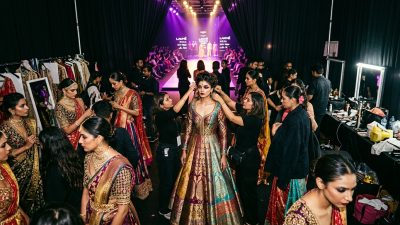
Lakmé Fashion Week, India’s most prestigious fashion showcase, has concluded its March 2026 edition with a resounding message: Indian fashion is no longer content to follow global trends—it intends to set them. Over five days of runway shows, presentations, and panel discussions in Mumbai, the event showcased collections that married traditional Indian craftsmanship with cutting-edge design innovation, sustainable material practices, and technology-enhanced fashion experiences that position India’s design community at the forefront of global fashion discourse.
The Sustainability Imperative Takes Centre Stage
Sustainability dominated the conversation at Lakmé Fashion Week 2026, moving from a niche concern to the central organising principle of many designers’ collections. The Fashion Design Council of India (FDCI), which co-organises the event, had mandated that all participating designers submit sustainability impact statements detailing their material sourcing, production processes, and waste management strategies—a first for a major Indian fashion event.
Several designers responded with collections that demonstrated sustainability need not come at the expense of aesthetic ambition. One prominent designer presented an eveningwear collection crafted entirely from upcycled vintage saris, transforming discarded textiles into architectural gowns that earned a standing ovation from the audience. Another debuted a menswear line using fabrics woven from recycled ocean plastics, partnering with an Indian environmental organisation to source materials collected from beach clean-up operations along India’s coastline.
Natural dyes derived from traditional Indian botanical sources featured prominently across multiple collections, with designers working alongside artisan communities in Rajasthan, Gujarat, and Andhra Pradesh to revive dyeing techniques that had been in decline. These collaborations served a dual purpose: producing ecologically responsible textiles while providing economic opportunities for rural artisan communities. The fashion industry’s engagement with traditional crafts parallels broader cultural preservation efforts documented in IPL 2026 Season Preview: Key Transfers, Injuries, and Franchise Strategies.
Technology Meets Tradition on the Runway
The integration of technology into fashion design was another defining theme. Several collections featured garments incorporating LED elements, responsive textiles that change colour with temperature, and accessories produced through 3D printing technology. While some of these technology-enhanced pieces were conceptual rather than commercially viable, they signalled Indian designers’ willingness to experiment at the intersection of fashion and technology.
The runway show format itself was enhanced by technology, with several designers employing augmented reality elements that allowed audience members to access additional content—designer commentary, material sourcing information, and purchase options—by scanning garments with their smartphones. One designer presented a collection through a holographic runway show that blended physical models with digital avatars, creating a hybrid presentation format that could represent the future of fashion events.
Behind the scenes, AI-assisted design tools were acknowledged as playing a role in several collections’ development processes. Designers reported using generative AI for initial pattern exploration, colour palette development, and textile simulation, while maintaining that final creative decisions remained firmly in human hands. The cautious but curious adoption of AI tools in Indian fashion mirrors broader technology adoption patterns observed in AI Summit 2026: India Showcases Ambitions but Structural Gaps Exposed.
Celebrating Indian Handloom and Artisanal Craft
The most emotionally resonant collections at Lakmé Fashion Week 2026 were those that celebrated India’s extraordinary handloom and artisanal traditions. A dedicated “Handloom Day” featured collections by designers who have built their practices around supporting India’s estimated 4.3 million handloom weaver households, creating contemporary designs that provide market access for traditional textiles at premium price points.
Collections featuring Banarasi silk, Chanderi weaves, Ajrakh block prints, Patola double ikats, and Pochampally ikat were presented alongside more experimental interpretations that deconstructed traditional techniques to create entirely new textile effects. The diversity of India’s textile traditions—each region contributing distinctive weaving, dyeing, and embellishment techniques—was showcased as a unique competitive advantage that no other fashion culture can replicate.
The commercial viability of handloom-based fashion has improved significantly, driven by growing consumer interest in artisanal products, the sustainability credentials of handwoven textiles, and effective storytelling by designers who communicate the cultural narratives embedded in their creations. Several handloom-focused designers reported strong order books from both domestic retailers and international buyers following their Fashion Week presentations.
Inclusivity and Body Diversity
Lakmé Fashion Week 2026 marked notable progress in inclusivity, with several designers casting models of diverse body types, ages, and backgrounds. While Indian fashion weeks have historically been criticised for their narrow beauty standards, this edition featured collections presented on models ranging from teenagers to women in their sixties, and including models with disabilities and from marginalised communities.
The push for inclusivity extended beyond casting to design itself, with several collections offering extended size ranges and adaptive fashion elements designed for wearers with mobility challenges. These developments, while still insufficient in the eyes of many inclusivity advocates, represent meaningful steps towards a more representative fashion industry.
Business and Commercial Developments
Beyond the runway, Lakmé Fashion Week served as a platform for significant business developments in India’s fashion industry. Several designers announced international retail partnerships, with Indian fashion brands securing shelf space in premium department stores across the Middle East, Southeast Asia, and Europe. The growing international appetite for Indian fashion—driven by the country’s rising soft power, the quality of its textile traditions, and the commercial credibility of its design talent—has created export opportunities that the industry is actively pursuing.
The domestic market has also shown robust growth, with India’s organised fashion retail sector expanding by an estimated 15 percent year-on-year. The growth of premium fashion e-commerce platforms, the expansion of designer multi-brand stores in tier-2 cities, and the increasing willingness of Indian consumers to invest in quality clothing have created a buoyant commercial environment for fashion designers.
Emerging Designers and Fresh Perspectives
The Gen Next programme, which provides a platform for emerging designers at Lakmé Fashion Week, featured an exceptionally strong cohort in 2026. Several debut collections attracted immediate commercial and media attention, with young designers presenting work that drew on diverse influences including Indian street culture, digital aesthetics, gender fluidity, and cross-cultural fusion.
The diversity of perspectives among emerging designers reflects the broadening of India’s fashion education landscape, with design schools in Mumbai, Delhi, Ahmedabad, Bengaluru, and Kolkata producing graduates with increasingly sophisticated technical skills and conceptual ambitions. This pipeline of talent ensures that Indian fashion’s creative vitality will continue to grow in the years ahead. The emergence of fresh creative voices connects to broader patterns in March 2026 in Bollywood: Anil Kapoor Leads Bold Storytelling.
A Statement of Intent
Lakmé Fashion Week 2026 was more than a fashion event—it was a statement of intent from an industry that is increasingly confident in its global relevance. By centering sustainability, celebrating artisanal traditions, embracing technology, and pushing towards inclusivity, Indian fashion has articulated a vision that is distinctively its own: one that draws on millennia of textile heritage while engaging fearlessly with the demands and possibilities of the contemporary world.

- South India Travel 2026: Hampi, Alleppey and Coorg Top Domestic Search Charts This Spring - March 26, 2026
- India’s Social Media Habits Are Shifting: Why Short Video and AI Companions Are Replacing Traditional Feeds - March 26, 2026
- Northeast India Emerges as 2026’s Hottest Travel Destination as Jorhat-Majuli Searches Spike - March 25, 2026