How India Lives in 2026: Conscious Consumption, Hybrid Work Culture and the Rise of Slow Living

The way India lives is changing. Not in the dramatic, headline-grabbing manner of technological disruption or political upheaval, but in the quieter, more pervasive shifts that reshape daily routines, purchasing decisions, work patterns, and personal aspirations. In 2026, Indian consumers — particularly in the 25-45 urban demographic that sets lifestyle trends for the broader population — are embracing conscious consumption, adapting to hybrid work arrangements, rediscovering the value of slowness, and negotiating a relationship with technology that balances connectivity with intentional disconnection. Together, these trends paint a portrait of a nation recalibrating its priorities.
Conscious Consumption: Buying Less, Buying Better
The Indian consumer of 2026 is a more considered purchaser than their 2020 counterpart. Across product categories — from fashion to electronics, from food to home decor — survey data reveals a growing preference for quality over quantity, sustainability over disposability, and local production over global brands. This shift, driven by environmental awareness, pandemic-influenced reassessments of material needs, and a growing distrust of fast fashion and planned obsolescence, represents a meaningful evolution in one of the world’s largest consumer markets.
The practical manifestations of conscious consumption are visible across Indian cities. Thrift stores and secondhand fashion platforms have moved from fringe to mainstream, particularly among younger consumers who view pre-owned purchasing as both environmentally responsible and aesthetically distinctive. Refurbished electronics are gaining market share as consumers recognise that value and sustainability can coexist. Local artisan products — handmade, often rooted in specific regional craft traditions — are commanding premium prices from buyers who value provenance and human touch over the anonymous efficiency of mass production.
This trend aligns with and reinforces the sustainable fashion movement gaining momentum on Indian runways, as explored in coverage of Indian fashion’s 2026 sustainability and Indo-Western fusion trends. Consumer demand is driving supply-side innovation, creating a virtuous cycle where brands that invest in sustainability are rewarded with loyal customer bases.
The Hybrid Work Settlement
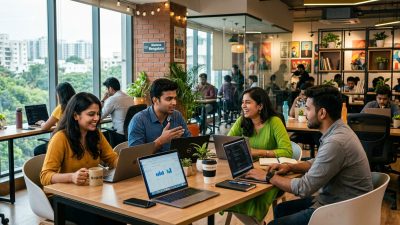
India’s relationship with work has been permanently altered by the pandemic-era experiment with remote employment, and 2026 represents the year when a stable equilibrium appears to be forming. The binary debate — remote versus office — has given way to hybrid arrangements that most employers and employees have pragmatically accepted as the optimal compromise. The typical configuration for knowledge workers in India’s major cities involves two to three days of office presence complemented by remote work, though the specifics vary considerably by industry, company size, and role.
The hybrid settlement has produced cascading effects on Indian urban life. Residential real estate in satellite cities and smaller towns has benefited as workers freed from daily commutes choose to live in more affordable, less congested locations while maintaining professional connections to metropolitan centres. Co-working spaces have proliferated, serving both remote employees who need occasional professional environments and freelancers who constitute a growing segment of India’s workforce.
The implications for urban planning, transportation, and commercial real estate are significant. Office districts that once pulsed with daily commuter traffic experience quieter midweeks, while neighbourhood commercial areas benefit from the presence of work-from-home professionals who spend their consumer budgets locally rather than in central business districts. The city is being remade, slowly, by the changed geography of work.
The Slow Living Movement
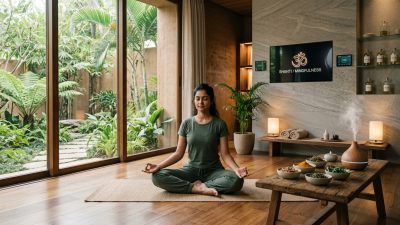
In a country culturally associated with rapid economic growth, bustling cities, and an intense work ethic, the emergence of a slow living movement might seem paradoxical. Yet in 2026, a growing segment of Indian consumers — predominantly urban, educated, and economically secure — is consciously choosing to decelerate, prioritising experiences over accumulations, presence over productivity, and depth over breadth.
The slow living trend manifests in diverse ways. Slow food — the practice of cooking with seasonal, locally sourced ingredients, eating without distraction, and treating meals as social rituals rather than functional interruptions — has gained a dedicated following. Weekend getaways to rural destinations, farm stays, and eco-retreats have become staples of the urban Indian leisure calendar, reflecting a desire for pastoral escape from digital and urban overstimulation. Hobbies that demand sustained attention — reading, gardening, pottery, painting, cooking — are experiencing a revival among adults who seek activities that provide the satisfaction of skill development and creative expression.
Technology Relationships: The Intentional Disconnect
India’s relationship with technology in 2026 contains a fascinating tension. The country remains one of the world’s most enthusiastic adopters of digital services, with smartphone penetration, social media usage, and e-commerce activity all at historic highs. Yet alongside this enthusiasm runs a growing current of digital scepticism — a recognition that constant connectivity exacts costs to attention, mental health, relationships, and the capacity for deep thought.
Digital detox — the practice of periodically disconnecting from devices and platforms — has moved from a wellness fringe concept to a mainstream practice in urban India. Restaurants and cafes that offer device-free zones, retreats that prohibit smartphones, and apps that paradoxically help users reduce their app usage all reflect a market responding to growing consumer discomfort with technology’s pervasiveness. Parents, in particular, are wrestling with questions about children’s screen time and digital exposure that have become among the most contentious topics in Indian family life.
Home as Sanctuary
The pandemic permanently elevated the importance of the home in Indian life, and this elevation persists in 2026. Indian consumers are investing in their domestic environments with an intentionality that transcends mere decoration — homes are being designed and furnished as sanctuaries that support wellbeing, productivity, and personal expression. The home improvement and decor market has experienced sustained growth, with particular demand for ergonomic furniture, indoor plants, air purification systems, and kitchen upgrades that support the home cooking revival.
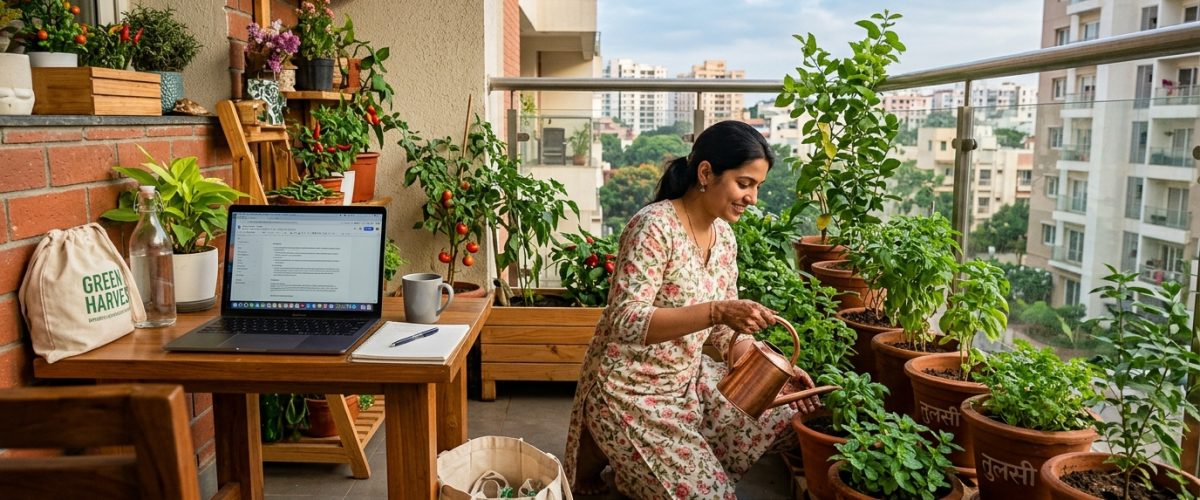
The apartment balcony, once an afterthought in Indian urban architecture, has become a focal point of domestic aspiration. Urban gardening — growing herbs, vegetables, and ornamental plants in limited balcony space — has become a widespread practice that combines aesthetic pleasure with the satisfaction of producing food and the environmental benefit of urban greening. This domestic turn reflects the broader slow living sensibility — a desire to create spaces of calm and meaning within the turbulence of modern Indian urban life.
The Experience Economy
Indian consumers in 2026 are allocating an increasing share of their discretionary spending to experiences rather than material goods. Travel, dining, entertainment, wellness, and cultural engagement — activities that create memories and stories rather than material accumulations — are growing faster than most product categories. This experiential turn reflects both generational values (younger Indians demonstrably prefer experiences to possessions) and the influence of social media, where shareable experiences generate the social currency that motivates much consumer behaviour.
The entertainment dimension of this experiential economy is particularly vibrant. Live music events, theatrical performances, food festivals, art exhibitions, and sporting spectacles like the IPL 2026 season are attracting audiences whose willingness to pay for premium experiences supports an expanding events industry. The success of immersive, experiential entertainment formats suggests that Indians in 2026 crave engagement that goes beyond passive consumption — they want to participate, interact, and be transformed.
Looking Ahead
The lifestyle trends shaping India in 2026 — conscious consumption, hybrid work, slow living, intentional technology use — share a common thread: they represent a society becoming more deliberate about how it lives. After decades of rapid growth that prioritised speed, scale, and accumulation, a significant segment of Indian society is pausing to ask questions about quality, sustainability, and meaning. This recalibration does not reject modernity — Indians remain enthusiastic participants in the global economy, as evidenced by the dynamism of sectors from AI and technology to entertainment — but it insists that modernity serve human flourishing rather than merely economic growth. In this insistence lies perhaps the most consequential trend of all.

- Mamaearth, boAt, and Noise: How India’s D2C Champions Are Chasing Profitability in 2026 - March 24, 2026
- India’s D2C Brands Bet Big on Offline Expansion as Quick Commerce Reshapes the Playbook - March 24, 2026
- Himalayan Trekking in 2026: Top Routes and New Trails for Adventure Seekers in India - March 24, 2026