Indian Music in 2026: From Chart-Topping Bollywood Soundtracks to the Indie Revolution Reshaping the Industry

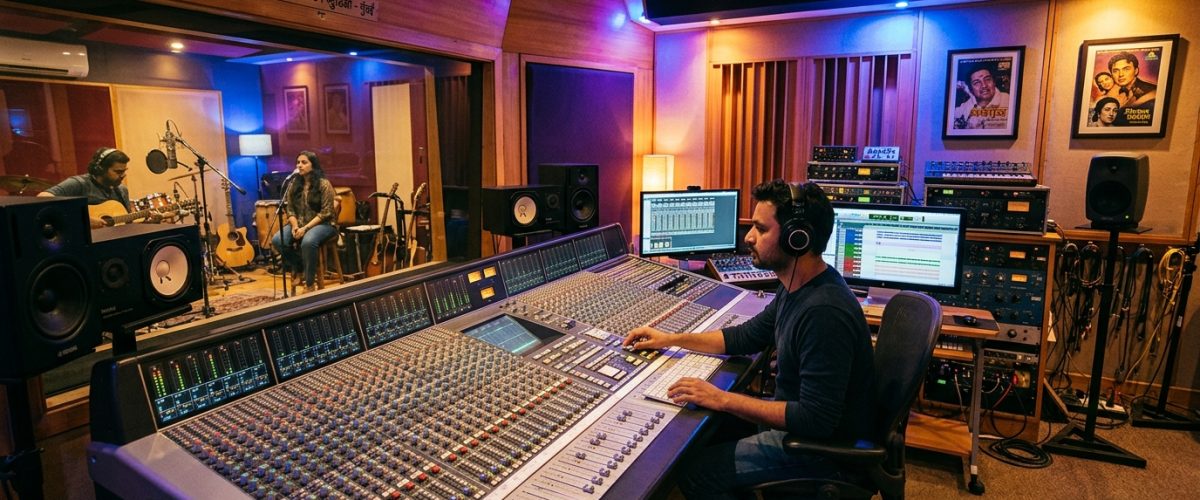
India’s music industry is experiencing a period of unprecedented dynamism, with March 2026 serving as a microcosm of the broader transformations reshaping how music is created, distributed, and consumed across the subcontinent. From blockbuster Bollywood soundtracks that dominate streaming charts to a flourishing independent music scene that is redefining artistic boundaries, the Indian music landscape has never been more diverse or commercially vibrant.
Bollywood Soundtracks: Still the Industry’s Beating Heart
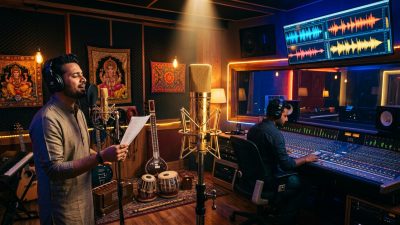
Film music continues to be the dominant force in India’s recorded music market, and March 2026 has delivered several soundtrack albums that have captivated listeners. The month’s biggest commercial releases have featured compositions from established maestros including Pritam, A.R. Rahman, and Amit Trivedi, each bringing their distinctive sensibilities to projects that span genres from romantic ballads to high-energy dance numbers.
Streaming data reveals that Bollywood soundtrack releases accounted for approximately 65 percent of total music consumption in India during March, a figure that underscores the film industry’s continued stranglehold on popular musical tastes. However, this dominance is accompanied by evolving stylistic trends. The influence of hip-hop, Punjabi pop, and electronic music on mainstream Bollywood compositions has intensified, producing hybrid tracks that blend traditional melodic structures with contemporary rhythmic patterns. The connection between IPL 2026 Season Preview: Key Transfers, Injuries, and Franchise Strategies and musical innovation remains integral to the industry’s commercial formula.
Notable among March’s releases has been the soundtrack for a much-anticipated romantic drama, which has spawned three singles that simultaneously occupied the top five positions on Spotify India and JioSaavn’s daily charts. The album’s lead single, a sweeping orchestral ballad performed by Arijit Singh, has been streamed over 100 million times within three weeks of release—a testament to Singh’s enduring dominance as India’s most commercially successful playback singer.
The Rise of Non-Film Music
While Bollywood soundtracks remain paramount, the most significant structural shift in India’s music industry has been the explosive growth of non-film music. Independent artists, Punjabi pop stars, and hip-hop performers have carved out a substantial market segment that barely existed a decade ago. Industry estimates suggest that non-film music now accounts for approximately 35 percent of total streaming consumption—up from less than 10 percent in 2018—representing a seismic shift in listener preferences.
Leading this charge are Punjabi music artists who have built global fanbases through YouTube and streaming platforms. Artists like AP Dhillon, Diljit Dosanjh, and Karan Aujla have demonstrated that Indian music can achieve international chart success without the promotional machinery of a Bollywood film. AP Dhillon’s latest album, released in early March, debuted at number 12 on the UK Albums Chart and number 8 on the Canadian Albums Chart, marking one of the highest international chart positions for a Punjabi-language release.
The Indian hip-hop scene has also matured considerably. What began as an underground movement in Mumbai’s Dharavi and Delhi’s Jamia Nagar has evolved into a commercially viable genre with dedicated festival circuits, brand partnerships, and streaming playlists that attract millions of listeners. Rappers like KRSNA, Seedhe Maut, and Hanumankind have transcended niche status to become mainstream cultural figures, their music addressing themes of class, identity, and social commentary that resonate with younger audiences.
Streaming Platforms as Kingmakers
The dominance of streaming platforms in India’s music distribution has fundamentally altered the industry’s power dynamics. Spotify India, JioSaavn, YouTube Music, Amazon Music, and Apple Music collectively account for over 80 percent of music consumption in India, making playlist placement and algorithmic recommendation critical factors in determining a song’s commercial success.
Platforms have responded to this influence by investing in artist development programmes, exclusive content deals, and live performance partnerships. Spotify’s EQUAL programme for promoting female artists and JioSaavn’s Rising Stars initiative for independent musicians have provided meaningful visibility to emerging talent who might otherwise struggle to break through the noise. As the AI Summit 2026: India Showcases Ambitions but Structural Gaps Exposed continues to evolve, music platforms are positioning themselves as indispensable intermediaries between artists and audiences.
Revenue from music streaming in India has grown to an estimated ₹3,500 crore annually, though per-stream payouts remain significantly lower than in Western markets. This disparity has prompted ongoing debates between artists, labels, and platforms regarding fair compensation—a tension that mirrors global conversations about the streaming economy’s impact on creative livelihoods.
Live Music: A Booming Parallel Economy
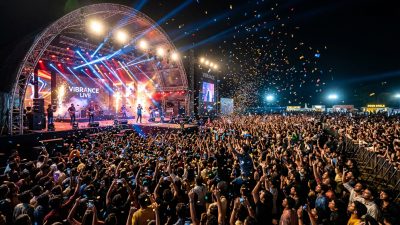
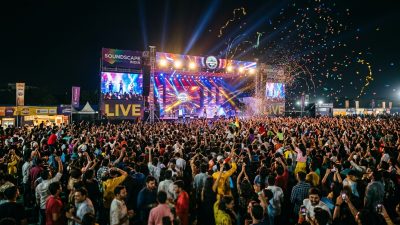
The live music sector has emerged as a crucial revenue stream and audience engagement channel for Indian artists. The post-pandemic recovery of live events has accelerated, with 2026 shaping up to be the most active year ever for concerts, festivals, and touring in India. Major international acts including Coldplay, Ed Sheeran, and Dua Lipa have either completed or announced Indian tour dates, while domestic artists are filling increasingly larger venues.
Diljit Dosanjh’s ongoing Dil-Luminati Tour has been a cultural phenomenon, with stadium shows across multiple Indian cities selling out within minutes of ticket release. The tour’s commercial success—with estimated gross revenues exceeding ₹300 crore from Indian dates alone—has demonstrated the viability of large-scale touring for Indian artists, a market segment that was virtually non-existent before 2020.
Music festivals have also proliferated, with events like NH7 Weekender, Magnetic Fields, Lollapalooza India, and Zomato Feeding India Concert attracting diverse audiences and international artist lineups. The festival economy has generated significant secondary economic activity, including tourism, hospitality, and merchandise revenues that benefit local communities.
Technology and the Future of Indian Music
Technological innovation continues to reshape India’s music industry in profound ways. AI-assisted composition tools are being adopted by both established and emerging artists, enabling faster production workflows and experimental sound design. While the use of AI in music has sparked ethical debates—particularly regarding the unauthorized recreation of established artists’ vocal styles—the technology’s potential to democratize music production is widely acknowledged.
Spatial audio and immersive listening experiences are gaining traction, with several major releases in March being made available in Dolby Atmos and Sony 360 Reality Audio formats. The growing adoption of premium wireless headphones and smart speakers among Indian consumers has created a market for enhanced audio experiences that platforms and labels are eager to serve.
Challenges and Industry Concerns
Despite the sector’s growth, several challenges persist. Music piracy, while diminished by the accessibility of streaming, continues to affect revenue realisation, particularly in markets where internet connectivity remains unreliable. Royalty distribution mechanisms remain opaque, with many artists—particularly session musicians and lyricists—receiving compensation that inadequately reflects the commercial value of their contributions.
The concentration of streaming revenues among a relatively small number of hit tracks has also raised concerns about the long-tail economics of music production. While top-charting songs generate substantial revenues, the vast majority of releases earn negligible streaming income, creating a winner-takes-all dynamic that can discourage creative risk-taking. Industry bodies have called for reforms to streaming platform algorithms and royalty structures to ensure a more equitable distribution of revenues. Those following March 2026 in Bollywood: Anil Kapoor Leads Bold Storytelling will recognise these as part of a broader conversation about sustainable creative industries in the digital age.
A Golden Era with Caveats
India’s music industry in 2026 is more vibrant, diverse, and globally connected than at any point in its history. The convergence of Bollywood’s enduring appeal, the independent music revolution, streaming platform investment, and a booming live events sector has created an ecosystem brimming with creative and commercial possibility. Whether the industry can address its structural challenges—particularly around fair compensation and equitable access—will determine whether this golden era proves sustainable or fleeting.

- ESFI Opens National Esports Championships 2026 to Select India’s Squad for Asian Games - March 25, 2026
- IPL 2026 Preview: Virat Kohli Fires Warning as League Kicks Off With New Rules and Record Ticket Prices - March 25, 2026
- India’s Fantasy Sports Market Marches Toward ₹50,000 Crore Valuation as Regulation Brings Clarity - March 24, 2026