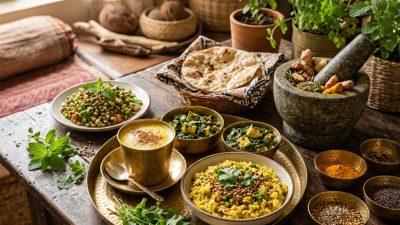
Plant-Based Diets Gain Momentum in India as Gen Z Drives the Shift Toward Sustainable Eating

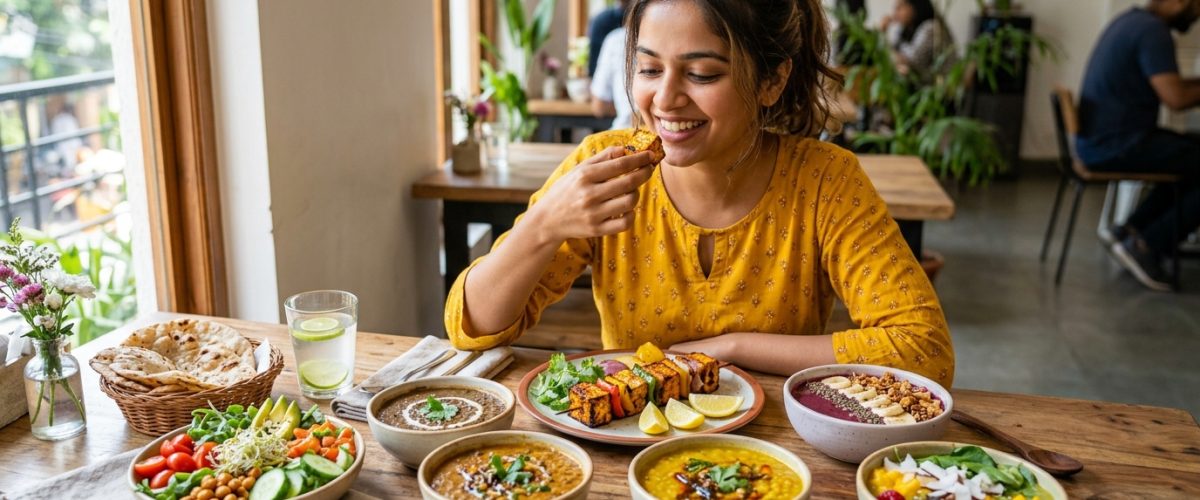
India, a country with the world’s largest vegetarian population by absolute numbers, might seem like an unlikely frontier for the plant-based food movement. But in 2026, a new dietary consciousness is sweeping through India’s urban centres, driven primarily by Gen Z consumers who are adopting plant-based eating not out of religious tradition but from a conscious commitment to environmental sustainability, animal welfare, and personal health. This secular, choice-driven shift toward plant-based diets represents a fundamentally different phenomenon from India’s long vegetarian tradition—and it is creating a significant new market opportunity.
The Gen Z Factor
India’s Gen Z—the approximately 370 million Indians born between 1997 and 2012—are the driving force behind the plant-based movement. A survey conducted by the Good Food Institute India (GFI India) in early 2026 found that 34 per cent of urban Gen Z Indians have actively reduced their meat consumption over the past two years, while 12 per cent identify as fully plant-based. These numbers are particularly striking because many of these individuals come from non-vegetarian families and are making dietary choices that differ from their parents’ eating habits.
The motivations are multifaceted. Environmental concern ranks highest: 68 per cent of Gen Z plant-based consumers cite climate change and environmental sustainability as their primary motivation. Animal welfare (54 per cent) and personal health (48 per cent) are also significant drivers. Notably, religious or cultural tradition ranks last among motivations, at just 15 per cent—confirming that this is a distinctly modern phenomenon with different roots than traditional Indian vegetarianism.
Also read: IPL 2026 Season Preview: Key Transfers, Injuries, and Franchise Strategies
Also read: AI Summit 2026: India Showcases Ambitions but Structural Gaps Exposed
The Market Response
India’s food industry is responding to this demand with a wave of plant-based products that go far beyond the traditional vegetarian fare of dal-chawal and paneer. The Indian plant-based food market, estimated at ₹4,500 crore in 2026 by GFI India, includes plant-based milk (oat, almond, soy, and coconut variants), meat alternatives (soy-based and pea protein products designed to replicate the taste and texture of chicken, mutton, and fish), plant-based yogurt, cheese, and ice cream.
Leading the charge is a cohort of Indian startups that have adapted global plant-based food concepts for the Indian palate. Blue Tribe Foods, founded in 2020, produces plant-based keema, momos, and nuggets that are specifically designed to replicate the flavours and textures of Indian non-vegetarian dishes. GoodDot (from Udaipur) offers plant-based biryani, butter chicken, and kebabs at price points competitive with their meat equivalents—a critical factor in a market where affordability determines adoption.
Established dairy companies are also entering the market. Amul, India’s largest dairy cooperative, launched its “Plant-Based” line in 2025, offering oat milk and almond milk products through its extensive distribution network. The entry of a trusted, mass-market brand like Amul into plant-based products has significantly accelerated mainstream acceptance.
Restaurants and Quick Service Chains Adapt
The restaurant industry is mirroring the retail shift. Major QSR chains operating in India—McDonald’s, Domino’s, Burger King, and Subway—all now offer plant-based menu items specifically developed for the Indian market. McDonald’s India’s “McPlant Tikki” and Burger King’s “Plant Whopper” have been commercially successful, demonstrating that plant-based options can coexist with traditional menus without cannibalising existing sales.
Fine dining is also embracing the trend. Chef Thomas Zacharias, founder of The Locavore and a champion of Indian plant-forward cooking, has opened a fully plant-based restaurant in Mumbai called “Roots” that showcases the extraordinary diversity of India’s plant kingdom—from jackfruit and banana flower to turmeric leaf and drumstick. The restaurant has earned critical acclaim and waiting lists that suggest affluent Indian diners are ready for a premium plant-based dining experience.
The Health Dimension
India’s plant-based shift is occurring against a backdrop of mounting health concerns. The country faces a dual burden of malnutrition and lifestyle diseases: while undernutrition remains prevalent in rural areas, urban India is experiencing an epidemic of diabetes, heart disease, and obesity. India has 77 million diabetics (the second-highest in the world), and cardiovascular disease is the leading cause of death.
Plant-based diets, when well-planned, offer documented benefits for these conditions. Research published in the Indian Heart Journal and the Journal of the Association of Physicians of India has shown that plant-forward diets rich in whole grains, legumes, fruits, and vegetables can reduce the risk of Type 2 diabetes by 23 per cent and cardiovascular events by 16 per cent. These findings are resonating with health-conscious urban Indians, particularly those with a family history of lifestyle diseases.
Challenges: Price, Protein, and Perception
The plant-based movement in India faces several headwinds. Price remains a barrier: most plant-based meat and dairy alternatives are 30-50 per cent more expensive than their conventional equivalents, limiting adoption to higher-income consumers. Protein adequacy is a concern in a country where protein deficiency is already widespread—critics argue that encouraging people to reduce animal protein without ensuring adequate plant-based protein intake could worsen nutritional outcomes. And cultural perception remains mixed: in many Indian communities, meat-eating is associated with social status, and giving it up voluntarily can attract social pressure.
Despite these challenges, the trajectory is clear. India’s plant-based food market is projected to grow at 20 per cent annually through 2030, driven by Gen Z adoption, improving product quality, and increasing price competitiveness as production scales. For a country that has practised plant-based eating for millennia through its vegetarian traditions, the modern plant-based movement is both a departure and a homecoming—a new generation finding its own reasons to embrace what India has always done, but on its own terms.

- Plant-Based Diets Gain Momentum in India as Gen Z Drives the Shift Toward Sustainable Eating - March 24, 2026
- Millets, Moringa, and Jackfruit: Why Desi Superfoods Are Beating Exotic Imports in India’s Wellness Market - March 24, 2026
- The Northeast India Food Renaissance: How Naga, Mizo, and Assamese Cuisines Are Captivating Urban India - March 24, 2026