Plant-Based Protein Boom in India: How Soy, Jackfruit, and Lentils Are Driving the 2026 Health Food Revolution

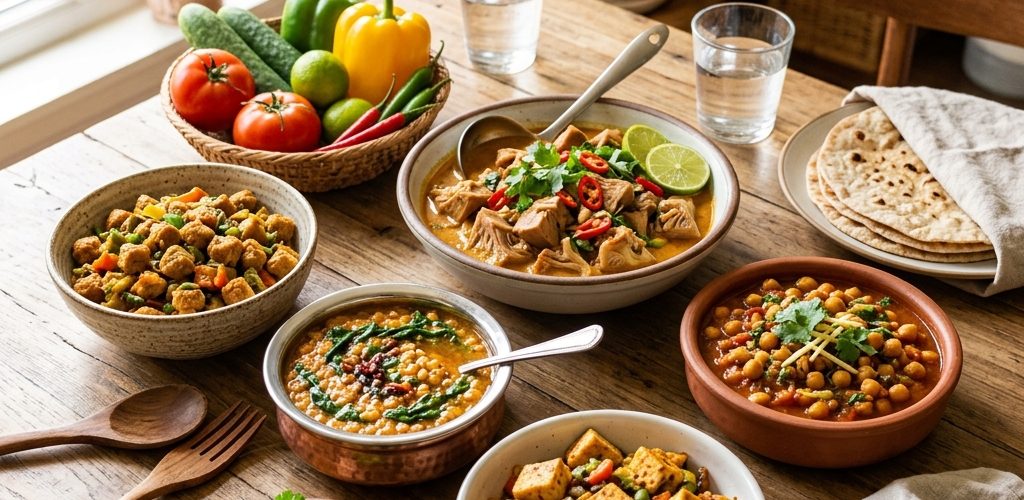
India, a nation where approximately 40 per cent of the population identifies as vegetarian and where even many non-vegetarians consume meat only occasionally, has long been one of the world’s most naturally protein-diverse food cultures. In 2026, however, the country’s relationship with plant-based protein is being transformed by a powerful convergence of health awareness, environmental consciousness, food technology innovation, and entrepreneurial energy. Soy, jackfruit, lentils, chickpeas, and a growing array of novel protein sources are at the centre of a health food revolution that is reshaping what Indians eat, how they think about nutrition, and how the country’s Rs 5 lakh crore food industry is evolving.
The Protein Gap: Why India Needs Plant-Based Solutions
Despite its rich vegetarian tradition, India faces a significant protein deficiency challenge. The Indian Market Research Bureau estimates that approximately 73 per cent of Indian diets are protein-deficient, with average daily protein consumption at approximately 48 grams — well below the recommended 55-60 grams for adults. The deficiency is particularly acute among women, children, and lower-income populations, contributing to high rates of anaemia, stunted growth, and reduced immune function.
Plant-based protein sources offer a culturally appropriate solution to this challenge. Unlike animal protein, which carries religious, cultural, and economic barriers for large segments of the Indian population, plant proteins align with existing dietary practices and can be incorporated into familiar dishes without radical behavioural change. This makes the plant-based protein movement in India fundamentally different from its Western counterpart, which is primarily driven by ethical and environmental veganism; in India, it is a health imperative with deep cultural compatibility.
Soy: The Versatile Powerhouse
Soy has been India’s plant-based protein workhorse for decades, but 2026 is witnessing a significant upgrade in how the ingredient is consumed. Beyond the familiar soy chunks (textured vegetable protein) that have been a budget protein staple in Indian kitchens since the 1990s, a new generation of soy-based products is entering the market. Soy milk, tofu, tempeh, soy yoghurt, and soy-based meat analogues are now available in mainstream supermarkets and on e-commerce platforms, priced competitively enough to attract middle-income consumers.
Indian food companies have adapted soy products to local palates with notable success. Soy-based paneer alternatives that melt and brown like dairy paneer, soy keema (minced meat substitute) pre-seasoned with Indian spice blends, and soy chaap — a North Indian preparation where soy protein is marinated and grilled on skewers — have achieved significant consumer acceptance. The soy chaap market alone is estimated at Rs 2,000 crore in 2026, with dedicated soy chaap restaurants in Delhi, Lucknow, and Jaipur achieving cult followings among both vegetarian and flexitarian consumers.
Jackfruit: The Plant-Based Meat That Grows on Trees
Jackfruit, the world’s largest tree fruit and a crop native to the Western Ghats of India, is having its moment as a premium plant-based meat substitute. The unripe fruit’s fibrous, shredable texture makes it a remarkably convincing substitute for pulled pork, shredded chicken, and other meat preparations when seasoned appropriately. In 2026, Indian jackfruit-based products have achieved both domestic and international traction.
Brands such as Wakao Foods, Kathalfy, and The Green Snack Co. offer ready-to-cook jackfruit products including jackfruit biryani kits, jackfruit burger patties, jackfruit rendang, and jackfruit pickles that have found shelf space in gourmet stores and supermarket chains across India. Wakao Foods, which launched India’s first ready-to-eat jackfruit product line, has expanded into export markets in the United States, United Kingdom, and Middle East, positioning Indian jackfruit as a premium plant-based protein in markets where Beyond Meat and Impossible Foods have already primed consumer acceptance.
The environmental case for jackfruit is equally compelling. The fruit requires minimal water and no pesticides, grows abundantly in tropical India without irrigation, and has historically been underutilised — with an estimated 60-70 per cent of India’s jackfruit harvest going to waste before the plant-based protein trend created new commercial demand. The jackfruit value chain is creating livelihood opportunities for rural communities in Kerala, Karnataka, and Goa, where farmers are transitioning from selling raw fruit at commodity prices to supplying processed jackfruit to branded product companies at premium rates.
Lentils and Chickpeas: Rebranding India’s Ancient Proteins
India is the world’s largest producer and consumer of lentils (dal) and chickpeas (chana), and these humble legumes form the protein backbone of millions of daily meals. In 2026, however, lentils and chickpeas are being repositioned from everyday staples to premium health foods, driven by their exceptional nutritional profiles — high in protein, fibre, iron, and folate, low in fat, and rich in complex carbohydrates that provide sustained energy without blood sugar spikes.
The rebranding is happening at multiple levels. Snack companies have launched lentil and chickpea-based protein bars, chips, and puffed snacks that compete with imported protein products at a fraction of the price. Chickpea flour (besan), long used in Indian cooking for pakoras and dhokla, is being reimagined as a high-protein alternative to wheat flour in pasta, pancakes, and baked goods. Sprouted lentil and chickpea products — which increase protein bioavailability by up to 30 per cent — are gaining traction among fitness-conscious consumers.
The Food-Tech Innovation Wave
India’s plant-based protein sector has attracted significant food-tech investment in 2026. Start-ups including Blue Tribe Foods, GoodDot, and Shaka Harry are developing plant-based meat products specifically designed for Indian palates — keema, seekh kebab, chicken tikka, and butter chicken analogues that replicate the taste, texture, and cooking behaviour of their animal-based originals. These companies are using proprietary extrusion technologies, flavour development processes, and Indian spice masalas to create products that are distinctly Indian rather than localised versions of Western plant-based meats.
Investment in the sector has accelerated, with Indian plant-based food companies raising over Rs 500 crore in venture capital funding in the 2025-26 financial year. The Good Food Institute India, a non-profit that promotes alternative proteins, estimates that the Indian plant-based meat market will reach Rs 8,500 crore by 2030, making it one of the world’s largest growth opportunities in the category. This wave of food innovation reflects the broader spirit of technology-driven entrepreneurship that is reshaping Indian industries.
Health Benefits: What the Evidence Says
The health case for increasing plant-based protein consumption is well-established. Large-scale epidemiological studies, including the landmark EAT-Lancet report, recommend that plant proteins should constitute the majority of dietary protein intake for both human health and planetary sustainability. For India’s specific health challenges — high diabetes prevalence, widespread anaemia, and growing cardiovascular disease burden — plant-based proteins offer therapeutic benefits: lentils help regulate blood sugar, soy reduces LDL cholesterol, and the fibre in legumes supports gut health and weight management.
Nutritionists emphasise the importance of protein complementation — combining different plant proteins to ensure a complete amino acid profile. The traditional Indian meal structure, which typically includes dal (lentils), roti or rice (grains), and vegetables, naturally achieves this complementation, suggesting that India’s dietary traditions already embody the nutritional logic that modern science recommends. For those interested in how traditional Indian dietary wisdom is being validated by modern research, the Ayurvedic diet trends of 2026 provide a complementary perspective.
The Protein Revolution India Needs
India’s plant-based protein boom in 2026 is not a Western import or a lifestyle luxury — it is a practical response to a national nutritional challenge, rooted in cultural traditions that have valued plant-based eating for millennia. Whether through the familiar comfort of a dal tadka, the innovative appeal of a jackfruit biryani, or the convenience of a soy protein bar, India is finding its own path to protein adequacy — one that honours its agricultural heritage, respects its dietary diversity, and harnesses the power of modern food technology to feed a billion people better. In every lentil simmered and every soy chaap grilled, a quiet revolution is cooking — and it tastes like the future. The synergy between India’s food traditions and modern innovation mirrors the dynamism seen in the nation’s creative industries, proving that India’s greatest strength lies in its ability to evolve while staying true to its roots.

- India’s Millet Recipe Revolution Reaches Peak as Government Push Meets Social Media Creativity in 2026 - March 28, 2026
- Regional Indian Cuisine Goes Mainstream: How Forgotten Flavours Are Conquering Urban Menus in 2026 - March 27, 2026
- Street Food Revolution: How India’s Chaat and Momos Vendors Are Going Digital in 2026 - March 26, 2026