India’s Fine Dining Revolution: New Michelin-Worthy Restaurants Making Waves in 2026

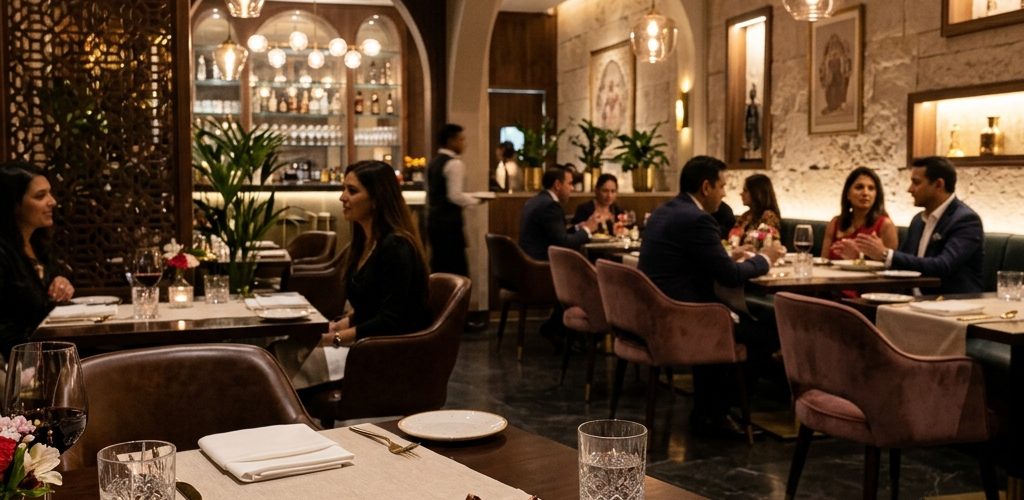
India’s fine dining landscape is undergoing its most exciting transformation in decades. In 2026, a constellation of new restaurants across Delhi, Mumbai, Bengaluru, Chennai, and emerging culinary cities is challenging global perceptions about the sophistication and range of Indian gastronomy. With two Indian restaurants featured on the World’s 50 Best Restaurants extended list and persistent speculation about a Michelin Guide entry into India, the country’s high-end dining scene is achieving an international recognition that its proponents have long argued it deserves.
The New Wave: Restaurants Redefining Indian Fine Dining
The defining characteristic of India’s 2026 fine dining wave is its rejection of the “Indian restaurant” stereotype — the familiar format of butter chicken, naan, and predictable curry flavours that has long defined Indian cuisine in the global imagination. Instead, a new generation of chef-entrepreneurs is drawing on hyper-local ingredients, forgotten regional recipes, and contemporary culinary techniques to create dining experiences that are unmistakably Indian yet entirely original.
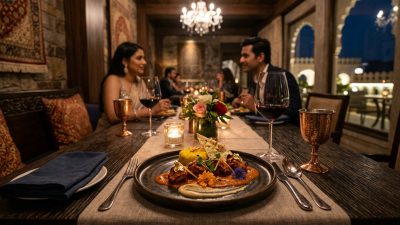
In Delhi, Tresind Studio — the intimate 18-seat tasting menu concept that earned a spot on the Asia’s 50 Best Restaurants list — continues to push boundaries with its multi-course narratives exploring Indian culinary history. Chef Himanshu Saini’s March 2026 menu, themed around “The Spice Routes,” reinterprets dishes from the historical trade corridors connecting Kerala’s Malabar Coast to the Middle East and Southeast Asia, using molecular gastronomy techniques alongside traditional copper and clay cooking methods.
Mumbai’s newest sensation is Ekaa, a contemporary Indian restaurant that has garnered international attention for its commitment to sourcing every ingredient from within 200 kilometres of the city. Chef Niyati Rao’s tasting menu showcases the extraordinary diversity of Maharashtra’s coastal, forest, and agricultural produce — from Alphonso mango and Ratnagiri cashew to Kolhapuri spices and Konkan seafood — in preparations that honour regional cooking traditions while presenting them with impeccable modern plating and technique.
Bengaluru and Chennai: The Southern Fine Dining Renaissance
Bengaluru, India’s technology capital, has emerged as a surprising fine dining powerhouse in 2026. The city’s cosmopolitan population, high disposable incomes, and exposure to global food cultures have created a receptive market for ambitious culinary concepts. Karavalli at The Gateway Hotel has reinvented itself with a modernised menu that explores the lesser-known cuisines of Karnataka’s coastal and malnad regions, while new entrant Avartana — relocated from Chennai — offers a luxurious interpretation of Tamil Nadu’s temple cuisine tradition, with dishes inspired by Thanjavur, Chettinad, and Nellai culinary heritage.
Chennai, traditionally conservative in its dining preferences, is witnessing its own awakening. The city’s first dedicated degustation-format restaurant, Sthala, opened in January 2026 on the banks of the Adyar River, offering a 12-course journey through Tamil Nadu’s six gastronomic regions. The restaurant’s use of hand-pounded spice pastes, wood-fired clay ovens, and traditional copper cooking vessels — combined with service in the formal Tamil Nadu wedding feast tradition — creates an experience that several international critics have described as among the most culturally immersive fine dining experiences in Asia.
The Michelin Question: Will India Get Its Guide?
The question of whether the Michelin Guide will expand to India has dominated food industry conversations in 2026. Michelin’s 2024 entry into markets such as Istanbul and its expanded presence across Southeast Asia have fuelled speculation that Mumbai or Delhi could be next. Industry insiders suggest that discussions between Michelin’s international team and Indian hospitality stakeholders have advanced significantly, with a potential launch mooted for late 2026 or early 2027.
The potential impact of Michelin recognition on India’s restaurant industry would be transformative. The Guide’s star system provides a globally understood quality benchmark that could drive international food tourism, attract foreign investment in Indian hospitality, and provide career validation for Indian chefs whose talents have historically been underrecognised on the global stage. However, some Indian chefs and critics have cautioned against over-reliance on Western validation frameworks, arguing that India’s dining culture — with its emphasis on home cooking, street food, and communal eating — does not fit neatly into the Michelin model of individual restaurant excellence. The conversation echoes broader discussions about India’s relationship with global benchmarks and standards across multiple sectors.
Farm-to-Table: India’s Terroir Movement
A distinctive feature of India’s 2026 fine dining scene is its growing embrace of the farm-to-table philosophy — adapted to Indian conditions. Unlike the European or American terroir movements, which focus primarily on wine and cheese, Indian farm-to-table dining encompasses an extraordinary range of ingredients: heirloom rice varieties from the hills of Manipur, wild honey from the forests of Madhya Pradesh, single-estate spices from Kerala’s cardamom hills, artisanal ghee from Haryana’s gir cow dairies, and organic vegetables from the urban farms that have proliferated in India’s metropolitan peripheries.
Several restaurants have established direct relationships with farming communities, creating supply chains that bypass wholesale markets and ensure freshness, traceability, and fair pricing for producers. This model — which provides premium prices to farmers while guaranteeing restaurants access to exceptional ingredients — represents a positive economic loop that connects India’s agricultural heartland to its most discerning dining tables.
Beverage Innovation: Cocktails, Coffee, and Non-Alcoholic Pairings
The beverage programmes at India’s fine dining restaurants have matured significantly in 2026. Indian craft cocktails — using indigenous spirits such as feni, mahua, and arrack, combined with locally foraged botanicals, house-made syrups, and Indian spice infusions — have moved from novelty to mainstream. Restaurants such as Comorin in Gurugram and Masque in Mumbai now offer cocktail pairing menus that rival their food in creativity and complexity.
India’s speciality coffee revolution, centred on single-estate beans from Karnataka’s Chikmagalur and Coorg plantations, has also entered the fine dining sphere, with post-dinner coffee service elevated to a curated experience featuring pour-over, siphon, and cold brew preparations using Indian microlot coffees. For non-drinking guests, the emergence of non-alcoholic pairing menus — featuring house-made shrubs, fermented tonics, and spiced teas — ensures that the beverage experience is inclusive and equally sophisticated.
Accessibility and the Democratisation Debate
Fine dining in India in 2026 spans a wide price range. Tasting menus at top-tier establishments such as Tresind Studio and Indian Accent command Rs 8,000-15,000 per person, placing them in the global fine dining bracket. However, a parallel tier of “fine casual” restaurants — offering chef-driven menus in relaxed settings at Rs 2,000-4,000 per person — is democratising access to high-quality culinary experiences. This tiered market structure ensures that India’s restaurant revolution benefits a broader audience than the ultra-wealthy, supporting a culinary ecosystem where talent and creativity are rewarded at multiple price points.
For food enthusiasts seeking to explore India’s full culinary spectrum, combining a fine dining experience with the country’s legendary street food traditions — now with improved hygiene standards — provides the most comprehensive understanding of a food culture that spans from pavement chaat stalls to Michelin-aspirant tasting rooms.
India’s Culinary Moment Has Arrived
The fine dining revolution of 2026 is the culmination of decades of work by Indian chefs, restaurateurs, farmers, and food writers who believed that Indian cuisine deserved a place at the highest tables of global gastronomy. That moment has arrived. As international critics discover the complexity of a Chettinad pepper curry, the elegance of a deconstructed idli, or the profound simplicity of a perfectly tempered dal, they are encountering a culinary tradition that has always been extraordinary — and is now, finally, being presented on a stage commensurate with its genius. Like India’s entertainment industry reaching new global audiences, the country’s restaurants are telling the Indian story to the world — one plate at a time.

- India’s Fine Dining Revolution Reaches Tier 2 Cities as 12 Indian Restaurants Enter Asia’s 50 Best List in 2026 - March 29, 2026
- India’s Millet Recipe Revolution Reaches Peak as Government Push Meets Social Media Creativity in 2026 - March 28, 2026
- Regional Indian Cuisine Goes Mainstream: How Forgotten Flavours Are Conquering Urban Menus in 2026 - March 27, 2026