India’s Street Food Festivals 2026: A City-by-City Guide to the Biggest Culinary Events of the Year

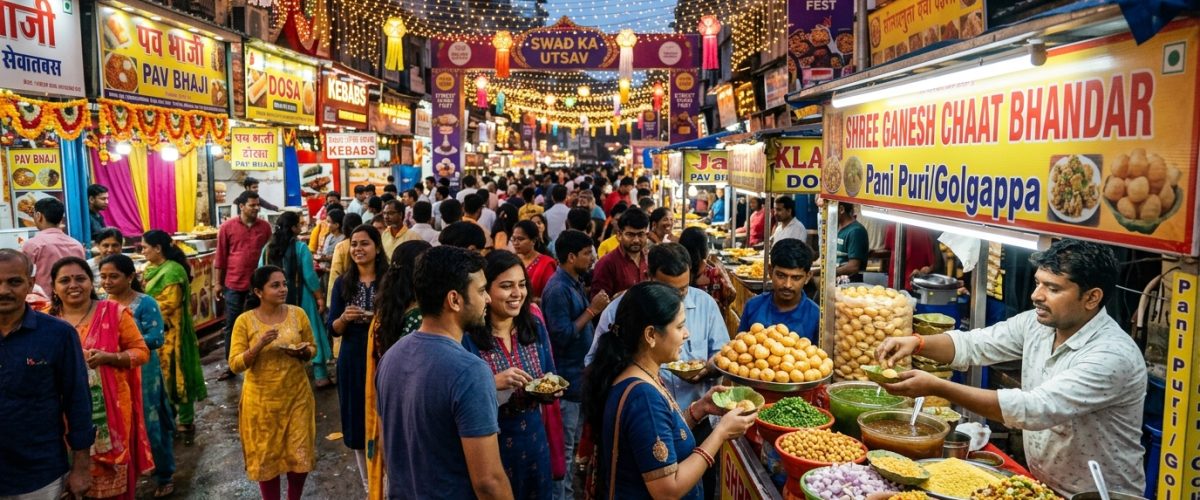
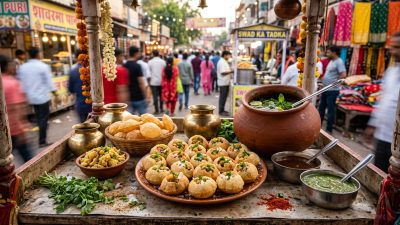
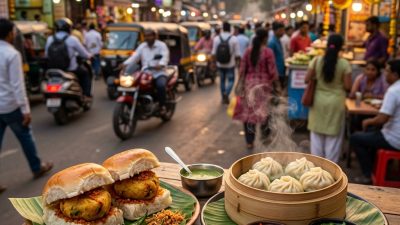
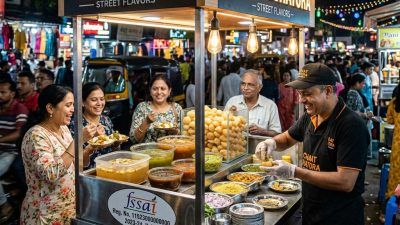
India’s street food culture, one of the most vibrant and diverse culinary traditions on earth, has found a powerful new expression in the organised food festival movement. Across the country in 2026, cities are hosting large-scale street food festivals that celebrate local culinary heritage, showcase innovative vendors, and draw food lovers from across the region. From the bustling winter festivals of Delhi to the monsoon food crawls of Mumbai and the harvest festivals of the South, here is a comprehensive city-by-city guide to the biggest and best street food events happening across India this year.
Delhi: The National Street Food Festival (February)
The National Association of Street Vendors of India (NASVI) hosts its flagship National Street Food Festival at Jawaharlal Nehru Stadium every February, and the 2026 edition was the largest yet. Over 200 vendors from 28 states assembled to offer a staggering diversity of street food—from Lucknow’s galouti kebabs to Kolkata’s kathi rolls, from Goa’s chorizo pav to Manipur’s singju. The festival drew an estimated 400,000 visitors over four days and generated over ₹8 crore in vendor revenue.
What makes the NASVI festival distinctive is its focus on traditional street food vendors rather than upscale restaurateurs. Many participants are multi-generational food artisans who have never operated outside their home cities, and the festival provides both a platform for their craft and a rare income boost. In 2026, the festival introduced a “Heritage Vendor” category recognising families that have been operating street food stalls for over 50 years.
Also read: IPL 2026 Season Preview: Key Transfers, Injuries, and Franchise Strategies
Also read: AI Summit 2026: India Showcases Ambitions but Structural Gaps Exposed
Mumbai: Kala Ghoda Arts Festival (February) and Mumbai Street Food Carnival (October)
Mumbai’s Kala Ghoda Arts Festival has always featured a significant food component, and its 2026 edition dedicated an entire “Food Street” to the city’s legendary street food. Vendors from iconic locations—Juhu Beach’s pav bhaji stalls, Mohammad Ali Road’s kebab shops, Girgaum Chowpatty’s bhelpuri artists—set up temporary stalls alongside contemporary food trucks and fusion vendors. The juxtaposition of traditional and modern street food in a single corridor is quintessentially Mumbai.
Later in the year, the Mumbai Street Food Carnival, typically held at the MMRDA Grounds in October, promises to be even larger. The 2026 edition will feature over 300 stalls, a live cooking competition, and a “Street Food Innovation” category where vendors present creative new dishes while maintaining the affordability and accessibility that defines street food culture.
Kolkata: The International Kolkata Book Fair and Food Trail (January-February)
Kolkata’s food culture is inseparable from its literary and intellectual traditions, and the city’s food festivals reflect this unique intersection. The International Kolkata Book Fair, Asia’s largest book fair, has evolved into a major food destination in its own right. The 2026 fair featured over 60 food stalls serving Kolkata specialities—kathi rolls, jhalmuri, telebhaja (deep-fried snacks), and the city’s legendary mishti doi (sweet yogurt). The evening crowds at the food stalls often rival those at the book pavilions, and many visitors attend the fair as much for the food as for the literature.
Bangalore: VH1 Supersonic and Street Food Weekends (March-April)
Bangalore’s food festival scene is characterised by a blend of traditional South Indian street food and the city’s cosmopolitan experimentation. The VH1 Supersonic music festival, held in March, includes a curated food village that has become a destination in itself, featuring artisanal food trucks alongside traditional dosa carts and filter coffee stalls. For dedicated food festivals, Bangalore’s “Street Food Weekends,” organised by the Bangalore Food Association at various parks across the city, run monthly from October through April and feature rotating themes—South Indian breakfast specials, North Indian chaat crawls, and international street food editions.
Hyderabad: Hyderabad Food Festival (December)
Hyderabad’s food identity is dominated by biryani, but the city’s street food landscape is far more diverse than this single dish suggests. The annual Hyderabad Food Festival, held at People’s Plaza in December, showcases the full range of Hyderabadi street food: Irani chai and Osmania biscuits, double ka meetha, mirchi ka salan, and the iconic Ramadan haleem that has earned GI (Geographical Indication) status. The 2025 edition drew over 200,000 visitors, and the 2026 edition is expected to be even larger, with expanded sections for Telangana’s lesser-known regional street foods.
Ahmedabad and Lucknow: The Vegetarian and Mughlai Capitals
Ahmedabad’s International Kite Festival in January doubles as one of India’s largest street food gatherings, with the city’s legendary vegetarian street food—dhokla, fafda-jalebi, dabeli, and khaman—available at stalls throughout the riverfront venue. Meanwhile, Lucknow’s Awadhi Food Festival, held annually during Lucknow Mahotsav, celebrates the city’s refined street food tradition—galawati kebabs, basket chaat, kulfi faluda, and the incomparable Lucknowi biryani.
The Festival Movement’s Impact
The proliferation of street food festivals across India is having measurable effects on the broader food ecosystem. For vendors, festivals provide revenue diversification and exposure beyond their regular customer base. For cities, food festivals drive tourism revenue and reinforce cultural identity. For the street food tradition itself, the festival movement provides institutional support and public visibility that helps counter the constant threat of displacement faced by street vendors in India’s rapidly urbanising cities.
In 2026, India’s street food festivals are more than culinary events—they are celebrations of an edible cultural heritage that is as diverse, resilient, and delicious as the country itself.

- Plant-Based Diets Gain Momentum in India as Gen Z Drives the Shift Toward Sustainable Eating - March 24, 2026
- Millets, Moringa, and Jackfruit: Why Desi Superfoods Are Beating Exotic Imports in India’s Wellness Market - March 24, 2026
- The Northeast India Food Renaissance: How Naga, Mizo, and Assamese Cuisines Are Captivating Urban India - March 24, 2026