PS5 Pro India Launch and Xbox Game Pass Expansion Reshape the Console Gaming Landscape in 2026

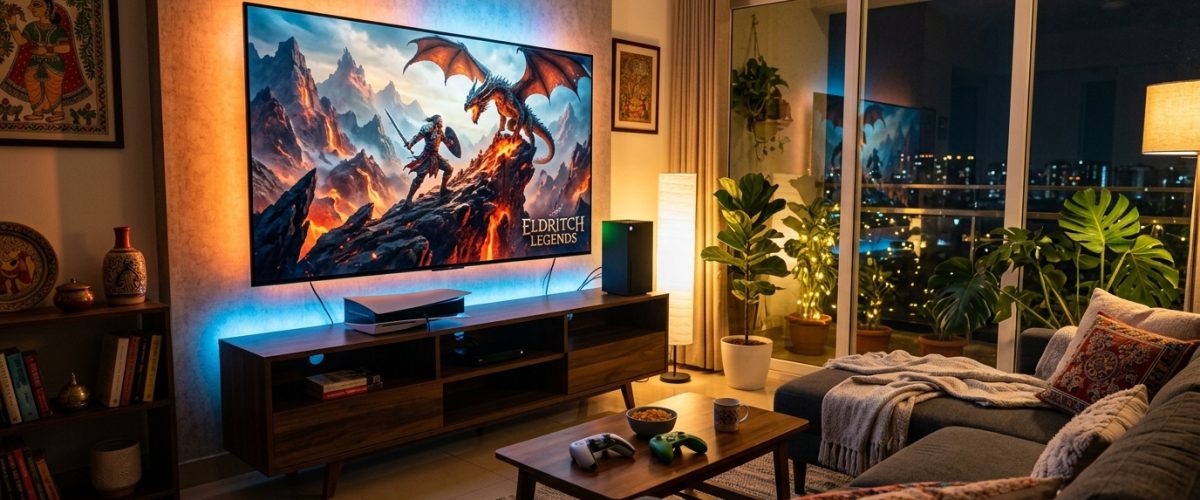
The Indian console gaming market, long considered a niche segment in a country dominated by mobile gaming, is experiencing a quiet but unmistakable transformation in 2026. Two developments stand out: the arrival of the PlayStation 5 Pro in India at a more competitive price point, and Microsoft’s aggressive expansion of its Xbox Game Pass subscription service with India-specific pricing and content. Together, these moves are reshaping the economics of console gaming in the country and bringing high-fidelity gaming experiences to an audience that was previously priced out of the market.
PS5 Pro Arrives with a Strategic Price Cut
Sony Interactive Entertainment launched the PS5 Pro in India in January 2026 at ₹54,990—a price that, while still premium by Indian standards, represents a significant strategic adjustment from the original PS5’s ₹49,990 launch price when adjusted for inflation and feature upgrades. The PS5 Pro offers a substantially more powerful GPU, support for 8K resolution output, and an upgraded SSD, positioning it as the definitive console experience for the current generation.
More importantly, Sony has paired the hardware launch with an EMI partnership with major Indian banks, offering zero-cost EMI options starting at ₹4,582 per month for 12 months. This financing play is significant: it lowers the effective barrier to entry for India’s aspirational middle class, a demographic that is willing to invest in premium entertainment but is sensitive to upfront costs.
Also read: IPL 2026 Season Preview: Key Transfers, Injuries, and Franchise Strategies
Also read: AI Summit 2026: India Showcases Ambitions but Structural Gaps Exposed
Sony India Managing Director Anil Kumar noted at the launch event in Mumbai that pre-orders for the PS5 Pro exceeded internal projections by 40 per cent. “India is no longer an afterthought in our global console strategy,” Kumar stated. “The appetite for high-quality gaming here is real and growing.”
Xbox Game Pass: The Subscription Revolution
While Sony competes on hardware, Microsoft is pursuing a fundamentally different strategy in India through Xbox Game Pass. The subscription service, which offers access to over 400 games including day-one releases of all Xbox first-party titles, has been priced at ₹349 per month for the standard tier and ₹499 per month for the Ultimate tier (which includes cloud gaming access).
These prices are among the lowest globally for Game Pass and reflect Microsoft’s understanding that subscription models, rather than hardware sales, may be the key to unlocking the Indian console market. The strategy draws directly from the playbook that streaming services like Netflix and Disney+ Hotstar used to build their Indian subscriber bases: price aggressively, build the user base, and monetise over time.
Microsoft has also partnered with Reliance Jio to bundle Xbox Game Pass Ultimate with select Jio 5G plans, effectively giving millions of Jio subscribers free access to cloud gaming without needing to own a console at all. This integration of telecom and gaming ecosystems is a first for India and could significantly expand the addressable market for console-quality gaming.
Market Numbers Tell the Story
According to Statista’s latest market forecast, India’s console gaming market is projected to generate $389 million in revenue in 2026, growing at a compound annual growth rate (CAGR) of 9.2 per cent through 2030. While this remains modest compared to the $3 billion mobile gaming market, the growth rate is notable. Console gaming is the fastest-growing hardware segment in India’s broader gaming ecosystem, outpacing both PC and mobile hardware growth rates.
The user base is also expanding. India had approximately 8.5 million console gamers in 2025, a figure that is expected to reach 12 million by the end of 2026. This growth is driven not just by new hardware sales but by the expansion of the second-hand console market, which is thriving on platforms like OLX, Cashify, and CEX India.
The Content Factor
Hardware and pricing matter, but content is what sustains console ecosystems. On this front, both Sony and Microsoft are making strategic investments. Sony’s lineup for 2026 includes exclusive titles like Gran Turismo 8, a new God of War instalment, and the much-anticipated Ghost of Tsushima sequel—all optimised for PS5 Pro’s enhanced capabilities.
Microsoft, for its part, is leveraging its Activision Blizzard acquisition to bring franchises like Call of Duty, Diablo, and Overwatch to Game Pass as day-one releases. For Indian gamers who previously had to choose between spending ₹4,000-5,000 on a single game or waiting for deep discounts, the Game Pass model offers an entirely different value equation.
Challenges Persist
Despite the positive momentum, India’s console market faces structural challenges. Import duties on electronic goods keep console prices 15-20 per cent higher in India than in the US or EU. Game pricing, while improving, remains a concern—AAA titles at ₹4,999 are a tough sell in a market where mobile games are free or ad-supported. The limited presence of physical retail chains for gaming also means that most console sales occur online, restricting the try-before-you-buy experience that is common in mature markets.
Nevertheless, the direction of travel is clear. Both Sony and Microsoft are treating India as a strategic growth market, not a peripheral one. With India’s per capita income rising steadily and its Gen Z population entering the workforce, the conditions for a sustained console gaming expansion are firmly in place. The PS5 Pro and Game Pass may well be the catalysts that finally bring console gaming into India’s mainstream entertainment conversation.

- India’s Fantasy Sports Market Marches Toward ₹50,000 Crore Valuation as Regulation Brings Clarity - March 24, 2026
- Dream11 and IPL 2026: Fantasy Cricket Platforms Reinvent Fan Engagement With AI-Powered Features - March 24, 2026
- India’s GPU Market Accelerates in 2026 as Affordable Graphics Cards Finally Reach Mainstream Buyers - March 24, 2026