India’s Esports Calendar 2026: From BGMI Masters to Valorant Champions Tour, Every Major Event to Watch

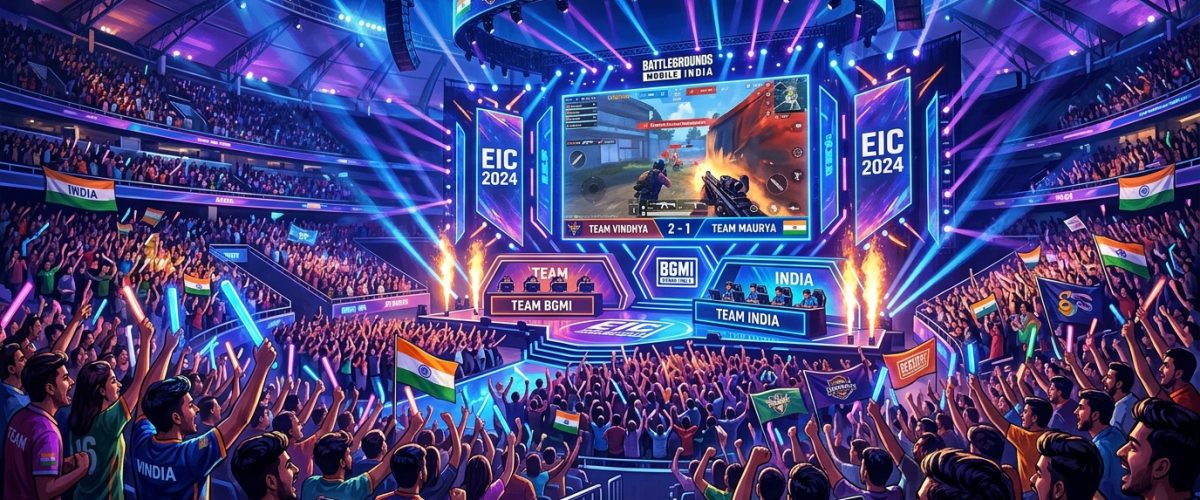
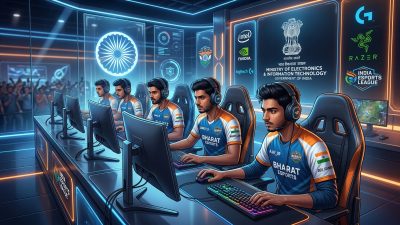
India’s esports calendar for 2026 is shaping up to be the most ambitious and action-packed in the country’s competitive gaming history. With a growing roster of internationally recognised tournaments, substantial prize pools, and increasing investment from both endemic and non-endemic brands, the Indian esports scene has evolved from a niche subculture into a mainstream entertainment segment. From BGMI to Valorant, from Free Fire to console titles, here is a comprehensive look at every major tournament and event that will define India’s competitive gaming year.
BGMI Masters Series 2026: The Crown Jewel
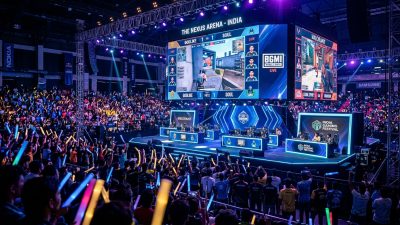
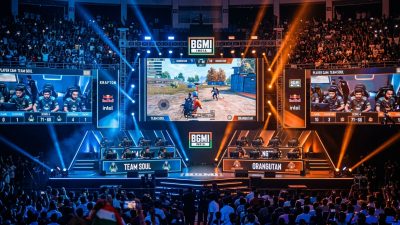
The Battlegrounds Mobile India (BGMI) Masters Series remains the centrepiece of India’s esports calendar. Organised by Krafton India in partnership with Star Sports and JioCinema, the 2026 edition features an expanded format with 32 invited teams, a total prize pool of ₹3 crore, and broadcast coverage across both television and digital platforms. The tournament runs from April through July, with regional qualifiers feeding into a grand LAN finale in Mumbai.
What sets the 2026 edition apart is its integration with the broader Asian esports circuit. Top-finishing Indian teams will now earn direct qualification slots for the PUBG Mobile Global Championship (PMGC) Asian qualifiers, providing a clear pathway from domestic competition to international glory. This structural improvement has been long demanded by the Indian BGMI community and is expected to raise the competitive stakes significantly.
Also read: IPL 2026 Season Preview: Key Transfers, Injuries, and Franchise Strategies
Also read: AI Summit 2026: India Showcases Ambitions but Structural Gaps Exposed
Valorant Champions Tour: South Asia League
Riot Games has expanded the Valorant Champions Tour (VCT) to include a dedicated South Asia league for 2026, headquartered in Mumbai with matches also held in Delhi and Hyderabad. The VCT South Asia League features a franchise model with eight teams, including Global Esports, Velocity Gaming, Enigma Gaming, and newcomer Bangalore-based Team Olympus.
The league operates on a seasonal format with two splits across the year, each culminating in playoffs. The total annual prize pool exceeds $500,000 (approximately ₹4.2 crore), making it one of the most lucrative esports properties in the region. More importantly, the top two teams from the VCT South Asia League earn slots in the VCT Pacific League, connecting India’s Valorant scene directly to the global competitive pipeline.
Free Fire India Championship 2026
Garena’s Free Fire India Championship (FFIC) 2026 returns with a refined structure aimed at broadening participation. The open qualifiers, running from March through May, allow any team to enter, while the top 18 teams advance to the League Stage in June and July. The grand finals are expected in August, with a prize pool of ₹1.5 crore and the coveted opportunity to represent India at the Free Fire World Series.
The FFIC has been instrumental in developing grassroots esports talent in India, with many of the country’s most prominent content creators and professional players having first gained recognition through its open qualifier system. For 2026, Garena has partnered with JioCinema for exclusive streaming rights, a move that signals the growing mainstream appeal of Free Fire esports.
Console Esports: FIFA and Tekken Take Centre Stage
Console esports in India has traditionally lagged behind mobile, but 2026 is witnessing a notable shift. The EA Sports FC Pro India Championship, organised in collaboration with Sony PlayStation India, will feature a circuit spanning six cities with a culminating national championship in Bangalore. Meanwhile, the Tekken 8 India Tour, backed by Bandai Namco, will visit Delhi, Mumbai, Hyderabad, and Chennai, giving fighting game enthusiasts four major LAN events to compete in across the year.
These console tournaments are smaller in scale compared to their mobile counterparts, but they are growing rapidly. The console gaming demographic in India skews slightly older and more affluent, attracting premium sponsors and a dedicated fan base that values the prestige of LAN competition.
College and Grassroots Circuits
Perhaps the most significant structural development in India’s esports ecosystem is the expansion of college-level competition. The All India Esports League (AIEL), supported by the Esports Federation of India (ESFI), now covers over 500 colleges across 22 states, with competitions in BGMI, Valorant, League of Legends: Wild Rift, and chess variants. University esports clubs are being formally recognised by institutions like IIT Delhi, BITS Pilani, and Manipal Academy of Higher Education, giving competitive gaming an institutional legitimacy it has long lacked.
At the grassroots level, platforms like Battlefy and Indian startup Tournafest are enabling thousands of community-organised tournaments every month, creating a deep talent pipeline that feeds into the professional circuit.
Looking Ahead: A Pivotal Year
India’s 2026 esports calendar represents a qualitative leap. The presence of franchise leagues, direct international qualification pathways, and growing broadcast deals suggests the industry is transitioning from its growth phase into a maturation phase. For players, organisers, and fans alike, this is the year Indian esports proves it can operate at a world-class level. The tournaments are set, the teams are hungry, and the stage has never been bigger.

- India’s Fantasy Sports Market Marches Toward ₹50,000 Crore Valuation as Regulation Brings Clarity - March 24, 2026
- Dream11 and IPL 2026: Fantasy Cricket Platforms Reinvent Fan Engagement With AI-Powered Features - March 24, 2026
- India’s GPU Market Accelerates in 2026 as Affordable Graphics Cards Finally Reach Mainstream Buyers - March 24, 2026