FC Goa Clinch Record Third AIFF Super Cup 2025-26 After Thrilling Penalty Shootout Against East Bengal

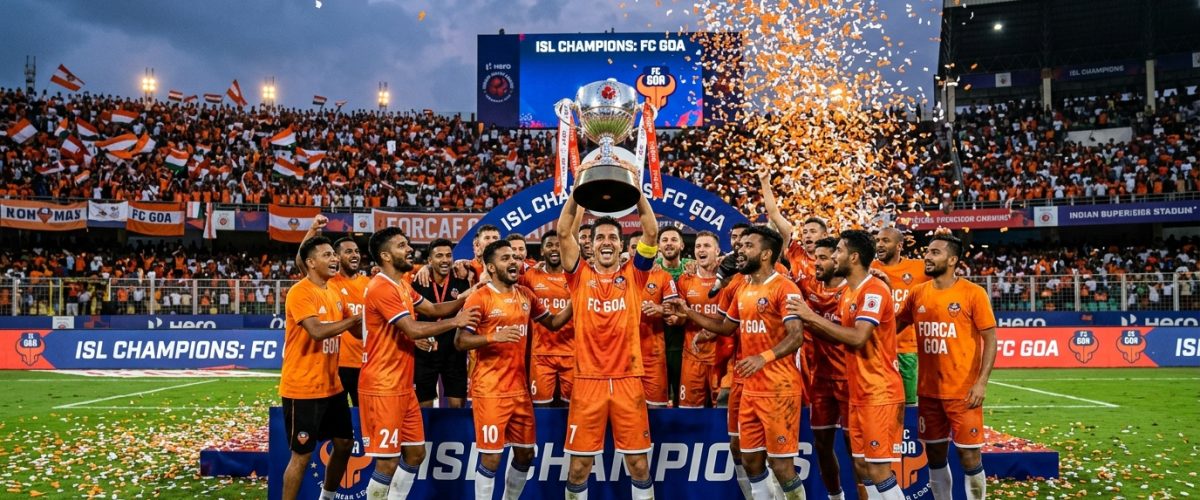
In a match that will be etched into the annals of Indian football history, FC Goa clinched their record third AIFF Super Cup title with a nerve-wracking penalty shootout victory over East Bengal FC in the 2025-26 edition of the tournament. The final, held before a passionate crowd at a packed stadium, ended goalless after 120 minutes of intense, end-to-end football before Goa prevailed 6-5 in the shootout — a result that underscores their remarkable consistency as India’s most decorated club in this competition.
The victory cements FC Goa’s legacy as the undisputed kings of the AIFF Super Cup, having now won the trophy in three separate editions. For East Bengal, the defeat adds to a growing list of near-misses in major finals, a pattern that the Kolkata giants will desperately want to break in the coming seasons.
A Tactical Masterclass That Produced Few Goals
The final was a testament to the tactical sophistication that has come to define Indian club football in recent years. Both teams, well-drilled by their respective coaching setups, prioritised defensive solidity and midfield control, making chances difficult to create and even harder to convert. The 0-0 scoreline after 90 minutes and extra time reflected not a lack of quality but rather the mutual respect between two excellently coached sides.
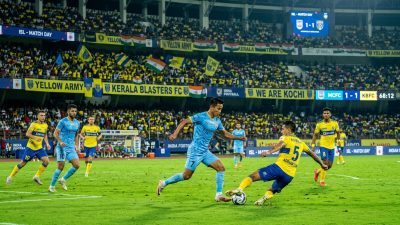
FC Goa, under the guidance of their Spanish coaching staff, employed their trademark possession-based approach, circulating the ball patiently through the thirds and looking to exploit spaces behind East Bengal’s high defensive line. Their midfield trio — combining technical ability with tireless work rate — dominated territory but struggled to find the final pass that would unlock East Bengal’s organised backline.
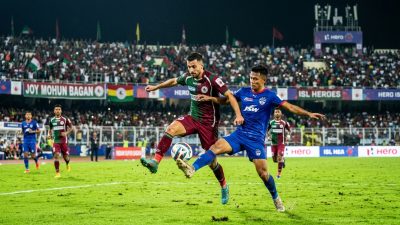
East Bengal, for their part, sat in a disciplined mid-block for much of the match, looking to strike on the counter-attack through their pacy wide players. Their defensive compactness was impressive, with the centre-back pairing heading and clearing everything that FC Goa threw into the box. The Red and Gold brigade’s game plan came agonisingly close to fruition in the 78th minute when a sweeping counter-attack ended with a shot that crashed against the inside of the post — the closest either side came to scoring in regular time.
Extra Time: Fatigue and Mounting Tension
The additional 30 minutes of extra time were characterised by increasing fatigue and the nervous tension that accompanies any final heading towards penalties. Both coaches used their substitution windows strategically, introducing fresh legs and designated penalty takers. The tactical chess match continued even as physical resources dwindled.
FC Goa created the better openings in extra time, with their substitute striker forcing two saves from East Bengal’s goalkeeper in the first period. The second period of extra time, however, was almost exclusively played in the midfield, with neither team willing to commit bodies forward and risk being caught on the break. The message from both benches was clear: trust the penalty takers.
The Penalty Shootout: Nerve and Precision
The shootout itself was a drama of the highest order. Both teams began with clinical conversions, their designated takers striking the ball with confidence and precision that belied the enormous pressure of a national final. The first five rounds produced ten goals, each penalty finding the net despite the best efforts of both goalkeepers.
The decisive moment came in the sixth round. East Bengal’s taker, stepping up with the weight of an entire city’s footballing expectations on his shoulders, sent his effort low to the goalkeeper’s right. FC Goa’s custodian, who had been studying footage of East Bengal’s penalty tendencies throughout the tournament, guessed correctly and parried the shot away. The save was met with a thunderous roar from the Goan supporters in the stadium.
FC Goa’s final taker then stepped up and calmly slotted the ball into the bottom corner, sending the Gaurs into raptures. The celebrations that followed were a release of emotion — players, coaching staff, and supporters united in the euphoria of a historic achievement.
FC Goa’s Super Cup Dynasty
Three Super Cup titles in the modern era is a remarkable achievement that speaks to FC Goa’s institutional excellence. Unlike many Indian clubs that experience cycles of success and decline based on individual players or wealthy backers, Goa has built a sustainable footballing model centred on youth development, intelligent recruitment, and a clearly defined playing philosophy.
The club’s investment in their academy has produced a steady stream of talented players who understand the Goa way of playing from a young age. This pipeline of talent, combined with astute foreign signings who complement rather than overshadow the homegrown contingent, has created a squad that can compete on multiple fronts season after season.
The Super Cup victory also validates the club’s commitment to competitive excellence even in a season where their Indian Super League campaign faced challenges. The ability to peak for cup competition, with its knockout intensity and winner-takes-all mentality, demonstrates a mental fortitude that separates FC Goa from their peers.
East Bengal’s Continuing Quest for Silverware
For East Bengal FC, the penalty shootout defeat is a bitter pill to swallow, particularly given the quality of their defensive display across 120 minutes. The Kolkata club, one of Indian football’s most storied institutions with over a century of history, has been striving to add contemporary trophies to their illustrious legacy.
The club’s journey to the Super Cup final was impressive, featuring victories over strong opposition in the earlier rounds. Their tactical discipline and fighting spirit in the final suggested a team on the verge of something special. The agonising shot that hit the post in the 78th minute will haunt East Bengal fans for some time — the margin between triumph and defeat in Indian football has rarely been so thin.
East Bengal’s management will take encouragement from the performance while acknowledging the need for marginal improvements in attacking efficiency. The addition of a proven goalscorer in the next transfer window could be the difference between another final appearance and the breakthrough victory that the Red and Gold faithful crave.
Indian Football’s Growing Competitive Depth
Beyond the result, the 2025-26 AIFF Super Cup final illustrated the growing competitive depth of Indian football. The quality of play, tactical awareness, and physical conditioning on display would not have been out of place in several established Asian leagues. The tournament as a whole featured compelling narratives, with Mumbai City FC’s semi-final run and other emerging clubs signalling the broadening of India’s football landscape.
The success of the Super Cup format — providing meaningful competitive football outside of the ISL — has been a positive development for the sport’s ecosystem in India. As Indian football continues its journey towards greater continental relevance, performances by clubs like FC Goa on the domestic stage provide the foundation upon which international ambitions can be built.
For those following India’s broader sporting narrative in 2026, including the IPL 2026 cricket season preview with key transfers and strategies, the AIFF Super Cup serves as a reminder that Indian football, while still growing, is producing moments of genuine drama and quality. FC Goa’s record third title is a milestone for India’s broader ambitions across sport and technology.

- IPL 2026 Preview: Virat Kohli Fires Warning as League Kicks Off With New Rules and Record Ticket Prices - March 25, 2026
- India’s Fantasy Sports Market Marches Toward ₹50,000 Crore Valuation as Regulation Brings Clarity - March 24, 2026
- Dream11 and IPL 2026: Fantasy Cricket Platforms Reinvent Fan Engagement With AI-Powered Features - March 24, 2026