India’s D2C Brands Bet Big on Offline Expansion as Quick Commerce Reshapes the Playbook

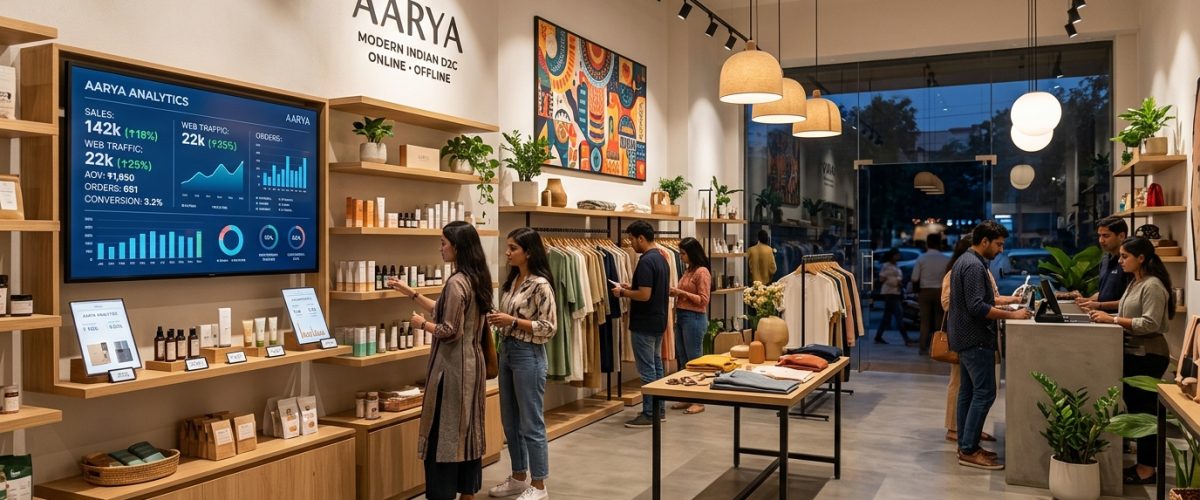
India’s direct-to-consumer (D2C) brands, which spent the better part of the last five years building digital-first businesses, are increasingly pivoting toward offline retail expansion as the competitive dynamics of Indian e-commerce undergo a structural shift. The catalyst is the rise of quick commerce—10-to-30-minute delivery platforms like Blinkit, Zepto, and Swiggy Instamart—which is fundamentally altering how urban Indians discover and purchase consumer goods. For D2C brands that built their identities on Instagram ads and Shopify storefronts, the new reality demands an omnichannel strategy that is as comfortable in a Tier 2 city mall as it is on a smartphone screen.
Quick Commerce: The Great Disruptor
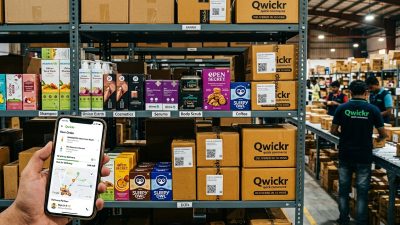
The numbers tell a stark story. Quick commerce in India grew 75 per cent year-on-year in 2025, reaching an estimated GMV of $6 billion—and is projected to cross $10 billion by 2027, according to Inc42’s latest estimates. For consumer packaged goods (CPG) and D2C brands, this channel has become impossible to ignore. Blinkit alone lists over 12,000 SKUs across categories including beauty, personal care, snacks, and home essentials, offering brands access to a high-frequency, high-intent purchase environment.
But the quick commerce opportunity comes with significant challenges. D2C brands accustomed to controlling their brand narrative through owned websites and social media find themselves competing for shelf space (or rather, screen space) on platforms where algorithmic ranking, promotional fees, and deep discounting determine visibility. Commission rates on quick commerce platforms range from 20-35 per cent, substantially eroding the margin advantage that made D2C an attractive model in the first place.
Also read: IPL 2026 Season Preview: Key Transfers, Injuries, and Franchise Strategies
Also read: AI Summit 2026: India Showcases Ambitions but Structural Gaps Exposed
The Offline Pivot
It is this margin pressure, combined with the realisation that India’s consumer market is fundamentally omnichannel, that is driving D2C brands toward physical retail. In 2026, several prominent D2C companies have announced significant offline expansion plans. Mamaearth, the natural personal care brand, plans to increase its retail footprint to 1,500 exclusive brand outlets by December 2026, up from 800 in 2025. The Souled Store, a pop-culture merchandise brand, is opening 120 new stores in Tier 2 cities. WOW Skin Science has entered 40,000 general trade outlets through a distribution partnership with ITC.
These moves are not retreats from digital—they are strategic complements. Data from Redseer Strategy Consultants shows that D2C brands with both online and offline presence achieve 2.3 times the customer lifetime value of pure-play online brands. Physical stores serve multiple functions: they build brand trust (particularly important for categories like beauty and wellness, where consumers want to touch and test products), they provide a high-margin sales channel (no platform commissions), and they function as experiential marketing spaces that drive online engagement.
The Tier 2 Goldmine
A striking feature of the offline push is its geographic focus. While India’s D2C brands were born in metropolitan India—targeting the 25-35 age demographic in Mumbai, Delhi, and Bangalore—the offline expansion is disproportionately aimed at Tier 2 and Tier 3 cities. Towns like Indore, Lucknow, Jaipur, Coimbatore, and Nagpur offer a combination of rising disposable income, growing brand awareness (driven by social media and influencer culture), and relatively limited competition from established retail brands.
Franchise models are facilitating this expansion. Rather than investing in company-owned stores, many D2C brands are using franchise-operated outlets to scale rapidly with lower capital expenditure. boAt, India’s leading consumer electronics brand, has opened over 200 franchise stores in the past year, typically in partnership with local entrepreneurs who bring knowledge of the regional market and customer base.
The Quick Commerce Paradox
Ironically, quick commerce itself is driving some of the offline growth. Consumers who discover a D2C brand through Blinkit or Zepto often seek it out in physical stores for repeat purchases, particularly for higher-value items where the convenience premium of quick commerce is less compelling. Industry research suggests that 30 per cent of consumers who first buy a D2C brand through quick commerce subsequently purchase the same brand through an offline retailer or the brand’s own website.
This cross-channel behavior is encouraging D2C brands to think of quick commerce as a customer acquisition channel rather than a primary sales channel. The high visibility and impulse-purchase environment of quick commerce apps serves a discovery function, while offline stores and owned digital channels serve as retention and margin-optimization channels.
Challenges of Going Offline
The offline pivot is not without risks. Physical retail demands capabilities that digital-native brands may lack: supply chain management for distributed inventory, visual merchandising expertise, real estate negotiation, and the management of a dispersed workforce. Several D2C brands that expanded offline too quickly in 2023-2024 have been forced to shutter underperforming stores, a reminder that physical retail has its own brutal economics.
The capital requirements are also substantial. Setting up a single brand outlet costs between ₹15-40 lakh depending on location and format, and payback periods of 18-24 months are standard. For startups that have yet to achieve profitability, the cash flow implications of a large-scale offline rollout can be significant.
Despite these challenges, the direction is clear. India’s D2C sector is maturing from its digital-first adolescence into an omnichannel adulthood. The brands that will define the next decade will be those that can seamlessly blend online discovery, quick commerce convenience, and offline experience into a unified customer journey. The playbook is being rewritten in 2026—and the winners will be those who read the new rules fastest.

- Mamaearth, boAt, and Noise: How India’s D2C Champions Are Chasing Profitability in 2026 - March 24, 2026
- India’s D2C Brands Bet Big on Offline Expansion as Quick Commerce Reshapes the Playbook - March 24, 2026
- Himalayan Trekking in 2026: Top Routes and New Trails for Adventure Seekers in India - March 24, 2026