Nothing Phone 4a Pro and Motorola Signature Lead India Smartphone Launches in April 2026

The Indian smartphone market enters April 2026 with a wave of notable launches, headlined by the Nothing Phone 4a Pro at Rs 39,999 and the Motorola Signature at the premium end. The releases reflect an industry trend of bringing flagship-grade features to the mid-range and upper-mid-range segments, intensifying competition in what is the world’s second-largest smartphone market.
Nothing Phone 4a Pro: Design Meets Performance
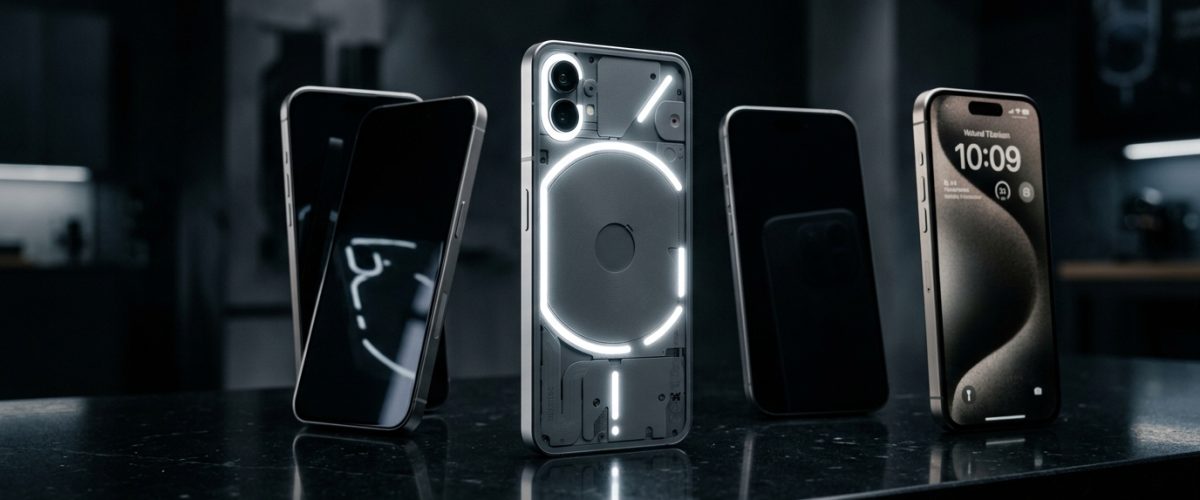
The Nothing Phone 4a Pro features a slim metal unibody design with an IP65 dust and water resistance rating and the brand’s distinctive Glyph Matrix LED system, previously reserved for its flagship models. The phone is powered by the Qualcomm Snapdragon 7 Gen 4 chipset, paired with 8 GB of RAM and up to 256 GB of storage.
The 6.83-inch display runs at 1260 x 1800 pixels, and camera performance has been highlighted in early reviews as a significant upgrade, with a 50 MP primary sensor, a 50 MP telephoto lens offering up to 7x lossless zoom, and an 8 MP ultra-wide unit. A 5,400 mAh battery delivers all-day endurance, and Nothing OS 4.1 introduces vibe-coded Essential apps and improved system fluidity.
At Rs 39,999, the Phone 4a Pro competes directly with the OnePlus Nord 6, which launched with a Snapdragon 8s Gen 4 and a massive 9,000 mAh battery. The mid-range segment has effectively become a battleground where users get performance and features that would have cost twice as much just two years ago.
Motorola Signature Targets the Premium Segment
Motorola’s Signature sets a new benchmark for the brand’s flagship lineup, packing a premium display, advanced camera system, and refined industrial design. While pricing details for India are expected later in April, the device signals Motorola’s intent to compete in the Rs 60,000 to 80,000 range against Samsung’s Galaxy S26 series and Apple’s iPhone 17 lineup.
Market Context
India shipped an estimated 150 million smartphones in 2025, and the market is projected to grow 5 to 7 per cent in 2026. The shift towards 5G-capable devices continues to accelerate, driven by expanding network coverage from Jio and Airtel. Regulatory developments in the gadgets and telecom space are also shaping the competitive landscape. TRAI’s order to Jio on uniform pricing could influence how telecom operators bundle devices with data plans.
Chinese brands continue to dominate India’s volume market, but domestic manufacturing under the Production Linked Incentive scheme is changing the supply chain. Samsung, Apple, and Foxconn have all expanded Indian production capacity, and components sourced locally now exceed 15 per cent of total bill of materials for phones assembled in India.
What Buyers Should Consider
For buyers in the Rs 30,000 to 50,000 segment, the choice between the Nothing Phone 4a Pro, OnePlus Nord 6, and Samsung Galaxy A56 comes down to priorities: Nothing for design and camera versatility, OnePlus for battery life and raw processing power, and Samsung for software longevity and ecosystem integration.
The broader tech industry in India remains dynamic, with AI integration becoming a key differentiator. Smartphone cameras now use on-device AI for photo enhancement, real-time translation, and voice assistants, features powered by the same AI capabilities that global labs are racing to develop from Indian offices. The next wave of smartphone innovation will likely hinge on how effectively manufacturers integrate these AI tools into everyday user experiences.