South India Travel 2026: Hampi, Alleppey and Coorg Top Domestic Search Charts This Spring

South India is dominating domestic travel search charts in spring 2026, with Hampi, Alleppey, and Coorg emerging as the three most searched destinations among Indian travellers planning April-to-June getaways. The surge builds on a broader trend of experiential and heritage tourism that is drawing visitors away from conventional hill stations and beach resorts toward destinations that offer cultural depth, natural immersion, and authentic local experiences.
South India Travel 2026: Hampi’s Heritage Tourism Renaissance
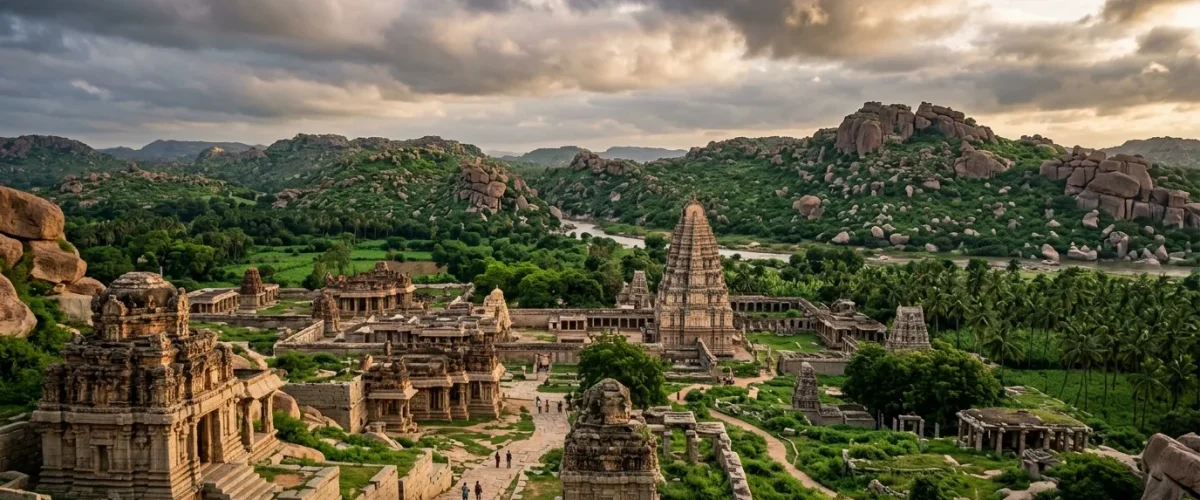
Hampi, the UNESCO World Heritage Site in Karnataka’s Ballari district, has experienced a 95 per cent year-on-year increase in travel searches. The ancient Vijayanagara Empire capital, with its extraordinary boulder-strewn landscape and over 1,600 surviving monuments, has long been a destination for history enthusiasts and backpackers. In 2026, it is breaking into the mainstream travel consciousness.
Several factors drive the surge. The Karnataka government’s investment in visitor infrastructure — improved road access from Bengaluru, new interpretation centres, and regulated homestay development in Hospet and Kamalapur — has made Hampi significantly more accessible without compromising its atmospheric character. The site’s Instagram visibility has exploded, with its photogenic ruins, sunset viewpoints, and coracle rides on the Tungabhadra River generating millions of social media impressions.
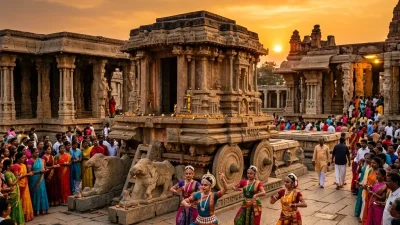
Guided heritage walks organised by the Archaeological Survey of India (ASI) and local cultural organisations have added an educational dimension that appeals to families and culture-conscious travellers. These walks cover the Virupaksha Temple complex, the Royal Enclosure, and the iconic Stone Chariot at Vittala Temple, providing historical context that transforms a scenic visit into a meaningful cultural experience. The growing interest in Indian heritage destinations reflects a maturation of domestic travel preferences beyond leisure tourism.
Alleppey Backwaters: Kerala’s Timeless Appeal Evolves
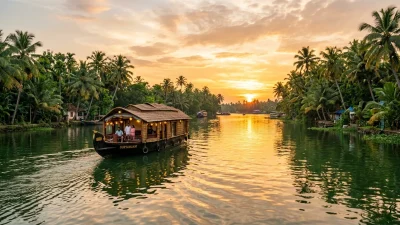
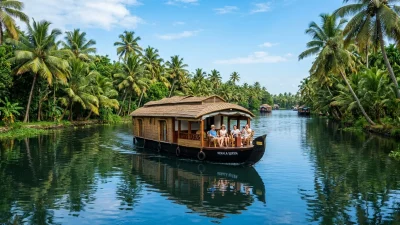
Alleppey (Alappuzha) and the Kerala backwaters remain South India’s most iconic tourism product, but the experience is evolving. Traditional houseboat cruises through the palm-fringed network of canals, lakes, and rivers continue to attract visitors, but 2026 has seen a shift toward longer, more immersive stays that go beyond the standard overnight cruise.
Responsible tourism initiatives are reshaping the backwater experience. The Kerala Tourism Development Corporation has introduced community-managed kayak tours that take small groups through narrow village canals inaccessible to houseboats. Visitors paddle through working villages, observe coir-making and fish farming, and share meals with local families. These experiences generate income directly for communities while reducing the environmental impact of diesel-powered houseboats.
The state government’s Spice Route initiative, which traces the maritime trade routes that connected Kerala to the Roman Empire, Arabia, and Southeast Asia, has created a cultural tourism framework linking Alleppey to Kochi’s Jewish Quarter, Muziris Heritage Project, and Fort Kochi’s colonial architecture. For travellers seeking an itinerary with narrative depth, the Spice Route provides a compelling structure.
Ayurvedic wellness tourism, Kerala’s second pillar after backwaters, continues to grow. The concentration of authentic Ayurvedic treatment centres around Alleppey and Kovalam attracts both domestic and international visitors seeking multi-day rejuvenation programmes. The wellness trend sweeping Indian lifestyles has created a natural domestic audience for Kerala’s traditional health tourism offerings.
Coorg: Coffee, Mountains, and Slow Living
Coorg (Kodagu), the coffee-growing hill district in Karnataka’s Western Ghats, has established itself as South India’s premier weekend and short-break destination. Its combination of coffee plantation stays, misty mountain landscapes, and Kodava cultural heritage attracts a steady stream of visitors from Bengaluru, Mysuru, and increasingly from cities across India.
Coffee tourism is the distinctive draw. Plantation homestays offer guests the experience of waking amid coffee bushes, joining guided tours of the cultivation and processing cycle, and tasting single-origin coffees that are increasingly valued by India’s growing specialty coffee community. Several estates have invested in cupping rooms and barista training facilities that transform a scenic stay into an educational experience.
The Kodava community’s unique culture — matrilineal traditions, distinctive cuisine featuring pork and wild game, martial arts traditions, and the colourful Kodava dance — provides a cultural dimension that distinguishes Coorg from other hill stations. Local operators have developed cultural immersion packages that include cooking classes, visits to ancestral homes (ainmanes), and participation in seasonal festivals.
Pondicherry Revival: French Quarter Meets Modern India
Pondicherry has undergone a quiet renaissance in recent years and is experiencing its strongest tourism season in 2026. The former French colonial territory’s appeal has broadened beyond its established reputation as a spiritual retreat and backpacker haven. The French Quarter (White Town), with its restored colonial architecture, boutique hotels, and café culture, now attracts a design-conscious urban audience that values aesthetic environments.
Auroville, the experimental township founded in 1968, continues to draw visitors interested in sustainable living, architecture, and spiritual exploration. The Matrimandir meditation centre, set amid a growing forest of two million trees planted by Auroville’s residents, remains one of South India’s most unique visitor experiences.
Pondicherry’s food scene has also matured significantly. Restaurants blending French culinary techniques with Tamil ingredients have created a distinctive gastronomic identity. The emerging travel destinations across India each offer distinctive culinary experiences that are becoming central to the travel decision.
Sustainability: The Challenge That Defines South India’s Tourism Future
The growth in South India’s tourism numbers brings sustainability challenges that destinations must address to protect the assets that attract visitors in the first place. Hampi faces pressure from informal commercial development around the heritage zone. Alleppey’s backwaters suffer from houseboat pollution and wetland encroachment. Coorg’s plantation landscapes are threatened by resort construction and deforestation.
Responses vary in ambition and effectiveness. Karnataka’s Hampi World Heritage Area Management Authority has tightened construction regulations and relocated several commercial establishments that violated the buffer zone. Kerala’s responsible tourism programme is a national model, but enforcement at the operational level remains inconsistent. Coorg’s district administration has imposed a moratorium on new resort licences in ecologically sensitive areas, though compliance monitoring is limited.
For travellers, choosing community-run homestays over large resorts, using local guides, and respecting heritage sites are practical contributions to sustainable tourism. The responsible travel movement is growing among Indian tourists, but its impact depends on individual choices multiplied across millions of annual visitors.
Planning Your South India Trip
Spring and early summer (March-June) is ideal for Hampi and Pondicherry, though temperatures can be intense. Alleppey is best visited between September and March when water levels are optimal for houseboat cruises. Coorg is beautiful year-round but especially atmospheric during the monsoon months of June-September, when rainfall transforms the landscape into lush green.
South India in 2026 offers Indian travellers something that mass tourism destinations cannot: the opportunity to connect with living heritage, natural landscapes, and local communities in ways that are meaningful rather than merely photographic. The region’s tourism future depends on maintaining that quality of experience as visitor numbers continue to grow.