India Mobile Gaming Revenue Crosses $3 Billion as BGMI Return and New Studios Drive 2026 Surge

India’s mobile gaming industry has crossed a significant milestone in 2026, with annual revenue surpassing $3 billion for the first time. The market, which was valued at $1.9 billion just two years ago, has been propelled by the return of BGMI (Battlegrounds Mobile India) to full operations, the emergence of homegrown game development studios, the continued expansion of 5G networks, and a growing ecosystem of esports tournaments and content creators that keeps players engaged beyond the games themselves.
India Mobile Gaming Revenue 2026: The BGMI Effect
BGMI’s return to Indian app stores in mid-2023, after its removal over data privacy concerns, marked a turning point for the Indian mobile gaming market. By March 2026, the game has re-established itself as the most popular battle royale title in India with over 120 million registered users and an estimated 35 million monthly active players. Krafton, the game’s South Korean publisher, has invested heavily in India-specific content including localised events tied to Indian festivals, regional-language voice packs and partnerships with Indian cricket and Bollywood celebrities.
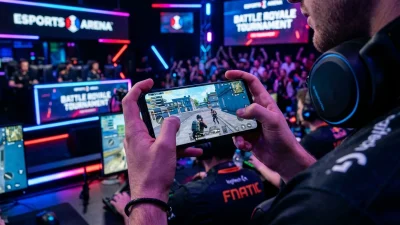
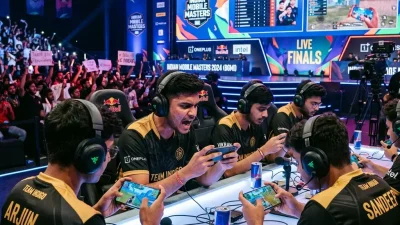
The revenue model has evolved significantly. While in-game purchases remain the primary revenue source, BGMI has introduced a tournament ecosystem that generates income through entry fees, sponsorships and media rights. The BGMI Pro Series, launched in 2025 with a Rs 6 crore prize pool, attracted over 15 million viewers across its three-month season — numbers that rival traditional sports broadcasts in India. The convergence of gaming and esports is creating a virtuous cycle where competitive play drives viewership, which attracts sponsors, which funds larger prize pools that in turn attract more competitive players.
The National Esports Championships 2026 represent the formal recognition of competitive gaming, and mobile titles like BGMI are at the heart of India’s esports ambitions.
Homegrown Studios: India Starts Building Its Own Games
Perhaps the most encouraging development in India’s gaming ecosystem is the emergence of domestic game development studios. Historically, India served as an outsourcing hub for international game publishers — providing art assets, quality testing and backend development — but rarely produced original titles with commercial success. That is changing.
Studios like SuperGaming (based in Pune), nCore Games (Bengaluru) and Bombay Play (Mumbai) have released original titles that have each crossed 10 million downloads. SuperGaming’s multiplayer shooter, developed with Unreal Engine 5 optimised for mobile, has demonstrated that Indian studios can create technically competitive products. nCore Games’ FAU-G, initially launched as a patriotic alternative to PUBG, has been rebuilt with improved gameplay mechanics and is now positioned as a serious competitive title.
The Indian government has supported this development through the Animation, Visual Effects, Gaming and Comic (AVGC) task force, which provides tax incentives, incubation support and co-development funding for Indian game studios. The task force’s goal of making India a global gaming development hub by 2030 is ambitious, but the foundation is being laid through skills development programmes at institutions like IIT Bombay and the National Institute of Design.
5G and Cloud Gaming: Removing Technical Barriers
The expansion of 5G networks across India is transforming the mobile gaming experience. With 5G coverage now reaching over 700 cities and towns, mobile gamers in urban and semi-urban areas experience latency below 20 milliseconds — a threshold that makes real-time multiplayer gaming smooth and responsive. This is particularly important for competitive titles where reaction times measured in fractions of a second determine outcomes.
Cloud gaming services have begun to gain traction, with JioGames Cloud and Xbox Cloud Gaming offering console-quality gaming experiences on mobile devices without requiring expensive hardware. While adoption remains limited by data costs and network reliability in rural areas, the urban uptake has been encouraging. JioGames Cloud reported 5 million subscribers by the end of 2025, with users averaging 45 minutes per session — suggesting genuine engagement rather than casual experimentation.
The India’s fantasy sports market growth intersects with mobile gaming through daily fantasy sports and prediction games that constitute a significant segment of India’s gaming revenue.
Monetisation and In-App Purchases: The Revenue Engine
India’s mobile gaming monetisation has matured beyond simple ad-supported models. In-app purchases now account for 45 per cent of total mobile gaming revenue, up from 30 per cent in 2023. Games have become more sophisticated in their monetisation design, offering cosmetic items, battle passes and premium experiences that enhance gameplay without creating pay-to-win mechanics that alienate free players.
Advertising revenue contributes 40 per cent of the total, with rewarded video ads — where players voluntarily watch advertisements in exchange for in-game rewards — proving to be the most effective format. The remaining 15 per cent comes from subscription services, tournament entry fees and branded content partnerships.
The average revenue per paying user (ARPPU) in India remains significantly lower than in developed markets — approximately Rs 450 per month compared to $25 in the United States — but the sheer scale of the Indian market compensates. With over 400 million mobile gamers, even modest per-user monetisation translates into substantial aggregate revenue.
Regulation and Responsible Gaming Concerns
The rapid growth of mobile gaming has attracted regulatory attention. The Ministry of Electronics and Information Technology (MeitY) introduced online gaming rules in 2023 that require self-regulatory bodies, age verification and the clear labelling of real-money games. Implementation has been uneven, with industry groups arguing that compliance costs disproportionately affect smaller studios.
Concerns about gaming addiction, particularly among adolescents, have prompted discussions about screen time limits and parental controls. Studies by AIIMS Delhi suggest that approximately 8 per cent of Indian mobile gamers aged 12 to 18 exhibit problematic gaming behaviour — a figure that, while lower than some East Asian markets, warrants attention. Game publishers have introduced optional time management features and spending limits, but critics argue that self-regulation is insufficient.
Mobile Gaming India 2026: What Comes Next
India’s mobile gaming market crossing $3 billion in 2026 is a milestone that reflects the country’s massive smartphone penetration, improving network infrastructure and growing gaming culture. The next phase of growth will depend on the success of homegrown studios in creating globally competitive titles, the expansion of 5G and cloud gaming into smaller cities, and the industry’s ability to balance aggressive monetisation with responsible gaming practices. India is already the world’s largest mobile gaming market by number of players; the challenge now is translating that scale into sustainable revenue and creative output that influences global gaming culture.

- India’s Startup Funding Crosses $7.2 Billion in H1 2026 - July 1, 2026
- After Ireland Shock, India’s T20I Side Faces Bigger Test - July 1, 2026
- Ireland Stun World Champions India 2-0 in Belfast, Sooryavanshi Debate Rages On - June 29, 2026