Beyond Goa: India’s Hidden Coastal Gems Draw Record Visitors as Beach Tourism Reinvents Itself in 2026

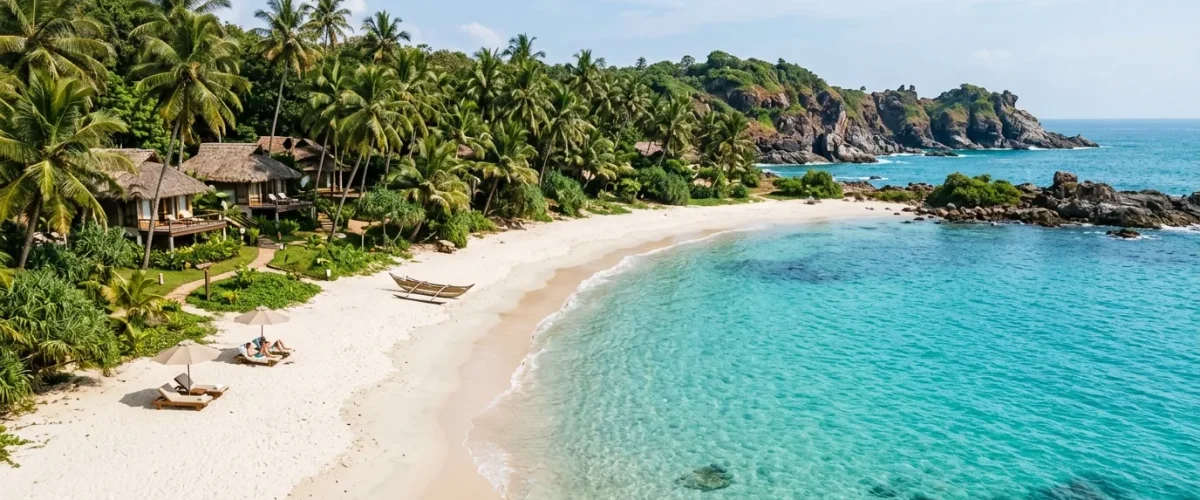
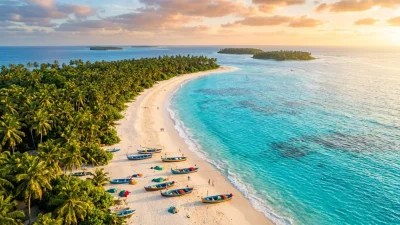
India’s beach tourism is experiencing a dramatic transformation in 2026 as travellers increasingly bypass the crowded shores of North Goa for hidden coastal gems across the country’s 7,500-kilometre coastline. From the pristine lagoons of Lakshadweep to the volcanic beaches of Andaman and the untouched stretches of Gokarna and Varkala, alternative beach destinations are drawing record visitor numbers while pioneering eco-friendly tourism models that could set new standards for sustainable coastal travel.
The shift is being driven by a combination of improved air connectivity, luxury eco-resort development and a growing preference among Indian travellers for experiential holidays over traditional beach vacations. With South India’s Hampi, Alleppey and Coorg topping travel search charts, and Himalayan adventure tourism booming alongside environmental concerns, India’s diverse geography is offering something for every type of traveller — and the coastline is having its moment.
Lakshadweep: From Remote Archipelago to Luxury Destination
Lakshadweep has emerged as 2026’s most dramatic tourism success story. The Union Territory, which comprises 36 coral islands off Kerala’s coast, has seen a 340 per cent increase in tourist arrivals compared to 2024. The transformation began when Prime Minister Modi’s January 2024 visit put the islands on the national tourism map, but it is infrastructure investment that has sustained the momentum.
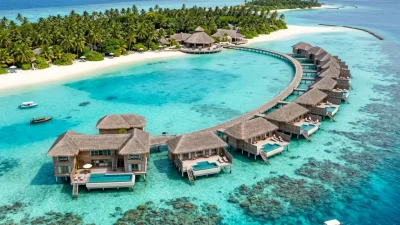
The opening of Taj Exotica Resort on Bangaram Island and Oberoi Sukhvilas on Kadmat Island has brought international-standard luxury to the archipelago for the first time. Room rates of Rs 35,000 to 75,000 per night position Lakshadweep as a competitor to the Maldives, with the added advantage of being within Indian territory and accessible via a two-hour flight from Kochi.
The administration has capped total visitor numbers at 5,000 at any given time to protect the fragile coral ecosystem. A mandatory eco-tourism orientation session is required for all visitors, and single-use plastics are completely banned across the islands. The sustainable approach has earned Lakshadweep recognition from UNESCO’s Sustainable Tourism Observatory.
Gokarna and the Karnataka Coast: The Anti-Goa Experience
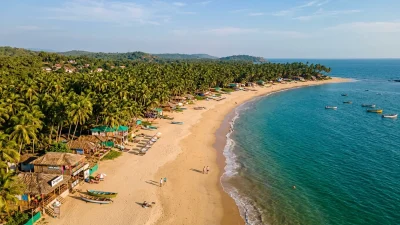
Karnataka’s coastal town of Gokarna has evolved from a backpacker haven into a premium wellness and beach destination. The town, which sits roughly 500 kilometres south of Goa, offers five distinct beaches — Kudle, Om, Half Moon, Paradise and the main Gokarna Beach — each with a different character ranging from party-friendly to utterly secluded.
New wellness resorts including SwaSwara (CGH Earth), Namah Resort and the upcoming Aman property have attracted a wealthier demographic. Yoga retreats, Ayurvedic treatment programmes and silent meditation weekends have become Gokarna’s unique selling proposition. Hotel occupancy rates averaged 85 per cent through the October-March season, a 20-point improvement over 2024-25.
The broader Karnataka coast — including Murudeshwar, Karwar and Malpe Beach near Udupi — is benefiting from improved road connectivity through the Coastal Karnataka Expressway project. The state tourism department’s “Beyond Goa” marketing campaign has driven a 60 per cent increase in out-of-state visitors to coastal Karnataka. For more on South India travel destinations that are attracting domestic and international visitors, check our dedicated section.
Andaman Islands: Eco-Tourism Meets Adventure
The Andaman and Nicobar Islands continue to grow as India’s premier adventure beach destination. Radhanagar Beach on Havelock Island, consistently ranked among Asia’s top 10 beaches, saw 180,000 visitors in the 2025-26 season. Scuba diving, snorkelling and sea kayaking are driving the adventure tourism segment, with certified dive centres now numbering 22 across the islands.
The introduction of daily direct flights from Mumbai and Delhi to Port Blair by IndiGo and Air India Express has been transformative. Previously, most visitors transited through Chennai or Kolkata, adding time and cost. Direct connectivity has made the Andamans viable for three-day weekend trips from metros.
The Andaman administration’s partnership with the Wildlife Institute of India has established turtle nesting conservation zones along 15 beaches. Tourists can participate in guided nesting observation programmes that generate revenue for local conservation efforts. Cellular Jail in Port Blair continues to attract history enthusiasts, adding a cultural dimension to the beach holiday.
Varkala, Kovalam and Kerala’s Beach Renaissance
Kerala’s beach destinations are reinventing themselves after pandemic-era challenges. Varkala, with its dramatic cliff-top setting overlooking the Arabian Sea, has seen a surge in digital nomad tourism. New co-working spaces, long-stay apartments and high-speed internet infrastructure have attracted remote workers from across India and internationally.
Kovalam has pivoted from mass tourism to premium wellness. The cluster of Ayurvedic resorts along Lighthouse Beach now offers medically supervised programmes ranging from 7 to 28 days, targeting specific conditions like arthritis, stress disorders and post-surgical rehabilitation. Medical tourism from Europe and the Middle East has grown 40 per cent year-on-year.
This wellness tourism trend connects to broader Travel and Tourism news patterns where Indian destinations are increasingly offering specialised experiences rather than generic holidays. With Northeast India emerging as 2026’s hottest travel destination, 2026 is proving to be a year when every corner of India is finding its tourism identity.
Sustainable Beach Tourism: India’s New Model
Sustainability is no longer optional in Indian beach tourism. The Ministry of Tourism’s Blue Flag certification programme has expanded to 23 Indian beaches, up from 12 in 2023. Blue Flag beaches must meet stringent standards for water quality, environmental management, safety and accessibility.
Maharashtra’s Tarkarli Beach and Odisha’s Chandrabhaga Beach earned Blue Flag certification in 2026, joining established names like Kovalam, Rushikonda and Radhanagar. The certification has become a marketing tool, with certified beaches reporting 35 per cent higher visitor spend compared to non-certified alternatives.
Private sector innovation is also advancing sustainability. ITC Hotels’ “Responsible Luxury” beach properties use 100 per cent solar power, desalinated water and zero-waste kitchens. CGH Earth’s beach resorts employ only local staff, source ingredients from within 50 kilometres and operate carbon-neutral through mangrove reforestation programmes.
What Beach Travellers Want in 2026
Research by travel platform MakeMyTrip reveals that Indian beach travellers in 2026 prioritise experience over amenities. The top three preferences are privacy and uncrowded beaches, water-based activities like snorkelling and kayaking, and local food experiences. Instagram-worthiness ranks fourth, while luxury accommodation comes fifth.
This shift favours lesser-known destinations over established ones. Goa, while still India’s most visited beach state, has seen flat growth in visitor numbers as its northern beaches struggle with overcrowding, noise pollution and waste management challenges. South Goa’s quieter beaches — Agonda, Palolem and Butterfly Beach — continue to grow, but the real momentum is with destinations that offer a fundamentally different coastal experience. For inspiration and coverage of India’s most exciting travel developments, explore our South India travel destinations where we cover emerging destinations across the country.