India’s Gen Z Drives Digital Detox and Intentional Dating Movement as Screen-Time Awareness Reshapes Social Habits in 2026

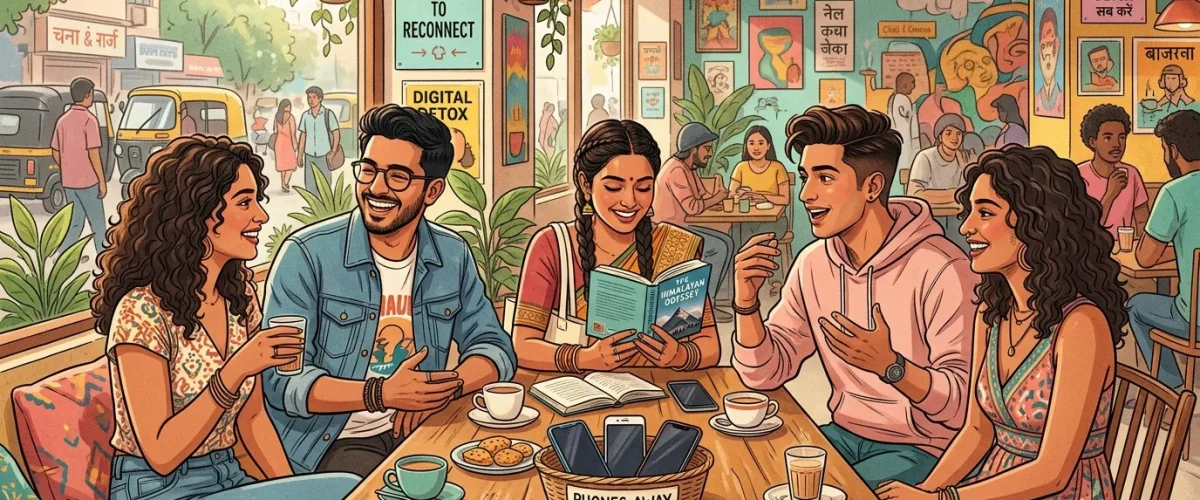
India’s Generation Z is quietly transforming the country’s relationship with technology in 2026, driving a dual movement of intentional dating and digital detox that is reshaping how millions of young Indians interact with social media and dating platforms. A QuackQuack Intent Clarity Report surveying over 10,000 active daters aged 20 to 35 across cities including Bengaluru, Mumbai, Delhi, Hyderabad, Kochi, and Ahmedabad found that young Indians are increasingly rejecting mindless swiping in favour of meaningful connections, with women leading the shift toward authenticity and emotional clarity.
The change is visible across multiple dimensions of digital life. Karan Johar’s widely publicised week-long digital detox in early 2026 — “No doom scrolling! No DMs! No posts!” he wrote on Instagram — resonated deeply because it articulated what millions of Indians feel but struggle to act on. Celebrities including Hrithik Roshan, Aamir Khan, and Esha Gupta have been vocal about their own screen-time struggles, lending cultural legitimacy to a movement that was once dismissed as niche.
From Mindless Swiping to Meaningful Connections
The dating app landscape in India has undergone a significant cultural shift. For years, apps were treated as entertainment — swipe, match, chat briefly, then move on. But the QuackQuack report indicates that Gen Z users are now approaching digital dating with greater intentionality. Rather than swiping endlessly, users are being more selective, valuing honest descriptions and relatable hobbies over polished selfies. Small details — how someone communicates their interests or sets boundaries — are becoming more important than visual perfection.
This shift extends beyond romance into broader social trends. Dating apps are increasingly serving as spaces for self-awareness and emotional growth, where users discover their communication styles, emotional needs, and relationship patterns through interactions and mismatches. The trend reflects a generation that views cultural and lifestyle choices as extensions of personal identity rather than passive consumption habits.
The Digital Detox Paradox
The digital detox movement in India faces a fundamental paradox: the systems are too embedded in daily life to disconnect entirely. Digital menus, ride-booking apps, work check-ins, and food delivery mean that phones are infrastructure, not luxury. As one student told the Times of India, “Despite having awareness about screen time, my basic human addiction tendencies nearly always take over.” The detox, she noted, is “always temporary.”
Yet the awareness itself is driving change. Instagram’s algorithm-friendly navigation is designed to keep users scrolling, but Indian users — particularly Gen Z — are developing strategies to resist. Trend data from early 2026 shows that story-led, audio-driven, and humour-heavy content is outperforming polished brand content, suggesting that audiences favour authenticity over production value. India’s social media habits are shifting in ways that platform designers did not anticipate, with short video and AI companions replacing traditional feed-based engagement.
Broader Cultural Implications
The intentional living movement among Gen Z connects to wider shifts in Indian culture. The bridal fashion industry’s embrace of AI styling and the literary world’s record publishing year both reflect a generation that wants experiences and consumption to feel meaningful. Whether this translates into lasting behavioural change or remains, as many digital detox advocates fear, a temporary trend remains to be seen — but the data suggests that India’s youngest adults are at least asking the right questions about their relationship with screens.

- Fentanyl Vaccine Breakthrough: Scripps Research Develops Shot That Blocks Deadly Overdoses Before They Reach the Brain - June 13, 2026
- Nipah Virus Returns to Kerala — First Case of 2026 Confirmed, State Declares High Alert - June 12, 2026
- Jill Biden Reveals She Wanted to Keep PM Modi’s 7.5-Carat Diamond Gift but Returned It After State Department Valued It at $20,000 - June 8, 2026