Heatstroke Prevention and Summer Wellness: What Every Indian Needs to Know as Temperatures Soar in 2026

The India Meteorological Department’s heatwave alerts for Andhra Pradesh, Telangana and parts of central India have placed summer health preparedness at the top of the national agenda in April 2026. With daytime temperatures already crossing 42 degrees Celsius in several states and expected to intensify through May, health experts are urging preventive action to reduce the risk of heatstroke, dehydration and related medical emergencies.
India recorded over 700 confirmed heat-related deaths in 2024, though public health researchers believe the actual figure is significantly higher due to underreporting in rural areas. The early onset of extreme temperatures in 2026, combined with the energy grid pressures from the West Asia crisis that are affecting cooling infrastructure in some regions, makes this summer’s health guidance particularly urgent.
Understanding Heatstroke: Symptoms and Immediate Action
Heatstroke is a medical emergency that occurs when the body’s temperature regulation system fails, causing the core body temperature to rise above 40 degrees Celsius. Unlike milder heat exhaustion, heatstroke can cause organ damage and death within hours if untreated. The critical distinction is that heatstroke patients often stop sweating despite the extreme heat, as the body’s cooling mechanism has shut down.
Warning signs include confusion or altered mental state, rapid and strong pulse, hot and dry skin that is not sweating, throbbing headache, nausea and loss of consciousness. If someone shows these symptoms, the immediate steps are to call emergency medical services, move the person to a cool environment, apply ice packs to the neck, armpits and groin, and begin cooling with wet cloths or water. Do not give fluids by mouth if the person is unconscious or confused.
Heat exhaustion, the stage before heatstroke, presents with heavy sweating, weakness, cold and clammy skin, nausea, dizziness and a fast but weak pulse. At this stage, moving to a cool area, drinking water and applying cool compresses can prevent progression to heatstroke. The key is to recognise and act on the earlier symptoms before the condition becomes life-threatening.
Hydration: The First Line of Defence
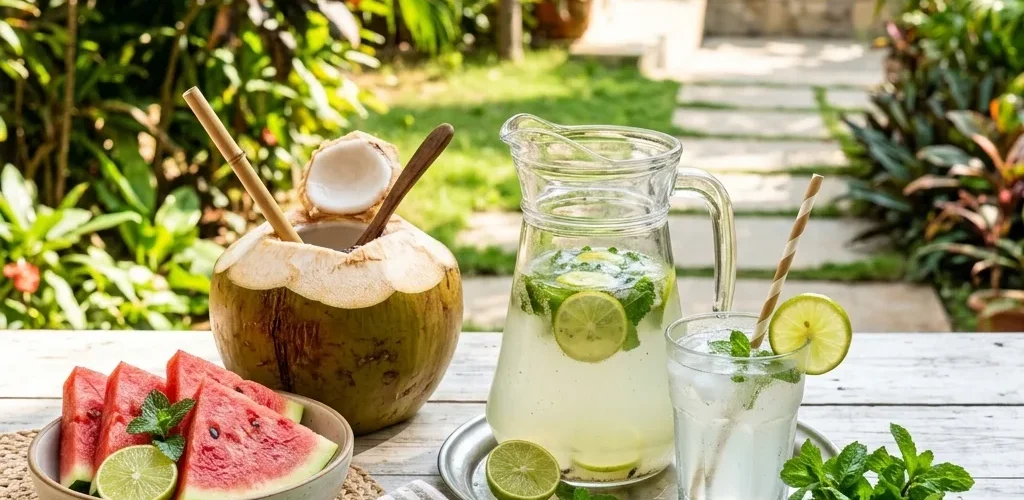
Health experts recommend drinking at least 3 to 4 litres of water daily during extreme heat, even if not feeling thirsty. Thirst is a late indicator of dehydration — by the time someone feels thirsty, they have already lost 1 to 2 per cent of their body water, enough to impair physical and cognitive performance. Traditional Indian hydration drinks like nimbu pani (lemon water with salt and sugar), buttermilk, coconut water and aam panna (raw mango drink) provide both fluids and electrolytes.
Oral Rehydration Solution, available at any pharmacy, is recommended for anyone showing signs of dehydration. For outdoor workers, the World Health Organisation recommends drinking 250 ml of water every 15 to 20 minutes during physical activity in extreme heat, rather than waiting until rest breaks.
The Indian food landscape naturally offers summer-appropriate options. Watermelon, cucumber, curd-based dishes like raita and chaas, and light meals with high water content are traditional heat-management strategies. Health professionals advise reducing consumption of fried foods, red meat and heavy sauces during peak heat, as these increase metabolic heat production and slow digestion.
Diet Adjustments for Extreme Heat
Nutritionists recommend shifting toward lighter, more frequent meals during summer. Instead of three large meals, eating five smaller portions reduces the thermal effect of food — the energy the body expends to digest and process meals. Foods rich in potassium (bananas, sweet potatoes, spinach) and magnesium (nuts, seeds, dark chocolate) help maintain electrolyte balance.
Seasonal Indian fruits are natural allies. Watermelon is approximately 92 per cent water. Muskmelon provides both hydration and beta-carotene. Sugarcane juice, widely available from street vendors across India, delivers quick hydration and energy but should be consumed from hygienic sources to avoid waterborne infections that also spike during hot weather.
The street food culture should be navigated carefully in summer. Higher temperatures accelerate bacterial growth in prepared foods, and food-related illnesses peak between April and June. The Gujarat FDCA’s recent food safety crackdown underscores the importance of sourcing food from trusted, hygienic establishments.
Protecting Vulnerable Populations
Children under five, adults over 65, pregnant women and individuals with chronic conditions including heart disease, diabetes and kidney disease face the highest heat-related risks. For these groups, even moderate heat exposure can trigger medical emergencies. Air conditioning is ideal but not available to all — in its absence, wet towels, fans, frequent cool water baths and staying in shaded areas provide meaningful protection.
Outdoor workers deserve particular attention. Construction labourers, delivery riders, agricultural workers and street vendors have limited ability to control their heat exposure. Employers have a responsibility to provide shade, water, regular rest breaks and access to first aid. Several state governments have mandated that construction activity cease between 12 noon and 3 PM when temperatures exceed 40 degrees.
When to Seek Medical Help
Any of the following symptoms require immediate medical attention: body temperature above 39.5 degrees, confusion or difficulty speaking, cessation of sweating in extreme heat, seizures, rapid heartbeat accompanied by headache, or loss of consciousness. India’s emergency helpline 112 and ambulance services should be called without delay.
As the healthcare system prepares for the seasonal surge, prevention remains the most effective strategy. Simple measures — staying hydrated, avoiding peak sun exposure, wearing loose cotton clothing, using sunscreen and monitoring vulnerable family members — can significantly reduce the risk of heat-related illness. This summer’s early onset makes it all the more important to start these practices now rather than waiting for temperatures to peak in May and June.

- Fentanyl Vaccine Breakthrough: Scripps Research Develops Shot That Blocks Deadly Overdoses Before They Reach the Brain - June 13, 2026
- Nipah Virus Returns to Kerala — First Case of 2026 Confirmed, State Declares High Alert - June 12, 2026
- Jill Biden Reveals She Wanted to Keep PM Modi’s 7.5-Carat Diamond Gift but Returned It After State Department Valued It at $20,000 - June 8, 2026