India Fashion Revolution 2026 From Lakme Fashion Week to Indo-Western Fusion Pre-Draped Sarees and Meme Streetwear

India’s Fashion Revolution in 2026: Lakme Fashion Week Sets the Tone as Indo-Western Fusion, Pre-Draped Sarees and Meme-Led Streetwear Redefine Style
Indian fashion in 2026 is undergoing its most exciting transformation in a decade. From the runway revelations at Lakme Fashion Week to the unexpected convergence of internet meme culture and streetwear, the industry is embracing a bold new identity that balances heritage with innovation, tradition with technology, and cultural roots with global ambition.
The trends shaping Indian wardrobes this year reflect a deeper shift in how the country’s consumers relate to clothing. Rigid silhouettes are giving way to flowy, comfortable designs. Pre-draped sarees are competing with traditional draping for the first time. And Indo-Western pieces are seamlessly bridging cultures in ways that would have been unthinkable even five years ago.
Lakme Fashion Week 2026 Makes a Statement
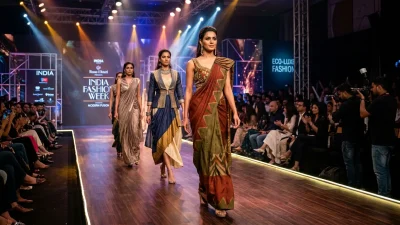
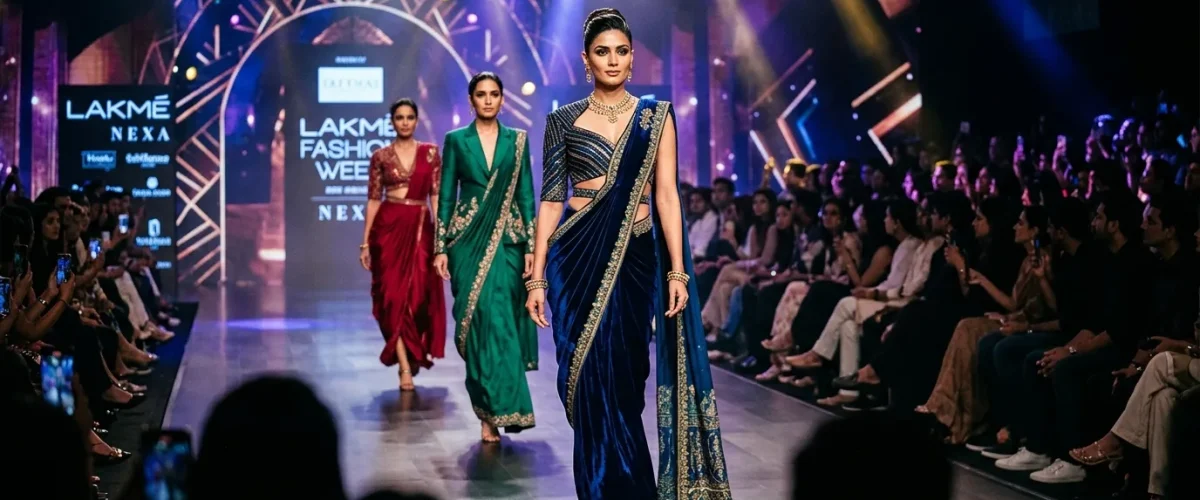
Lakme Fashion Week 2026 opened with a show-stopping collection by designer Anamika Khanna, who brought out an impressive roster of celebrities to present her vision of modern Indian luxury. The collection explored the tension between traditional craftsmanship and contemporary silhouettes, featuring flowing gowns with Mughal-inspired embroidery, deconstructed saree drapes, and power suits with Indian textile accents.
The front row at LFW 2026 was itself a statement of fashion’s evolving politics, as noted by observers who highlighted how seating arrangements reflected shifting power dynamics within the industry. Major designers including Manish Malhotra, who also showcased at Dubai Fashion Week 2026, continued to push boundaries with collections that aimed for international relevance while maintaining distinctly Indian aesthetics.
International recognition for Indian fashion is accelerating. In a notable achievement, Ahsaas Channa’s film Gudgudi was selected for screening at Cannes 2026’s Marché du Film, while designer Vaishali S celebrated 25 years of handwoven designs that have gained a dedicated following across Europe and the Americas.
The Pre-Draped Saree Revolution
Perhaps the most significant trend in Indian ethnic wear is the rise of pre-draped sarees and ready-to-wear options. Designed for the modern working woman who wants to celebrate traditional fashion without spending an hour getting ready, these innovations are transforming how sarees are perceived and worn.
Pre-draped styles with belts, mixed materials like velvet-net combinations, tissue organza and Banarasi silk are flying off shelves. The blouse has become the primary site of personalisation, with dramatic cape sleeves, Victorian-inspired puffs and floor-sweeping designs turning what was once a supporting element into the outfit’s centrepiece.
The lehenga, traditionally reserved for bridal wear, has broken free from its ceremonial constraints in 2026. Indo-Western crop top sets with printed florals, jacket-style designs and even lehenga skirts with functional pockets are making the garment relevant for everyday celebrations. Designers report that young consumers are increasingly choosing lehengas for birthday parties, date nights and festive dinners rather than reserving them exclusively for weddings.
Meme Culture Meets Fashion in India
One of 2026’s most unexpected fashion developments is the emergence of meme-led apparel as a legitimate consumer category. Across India’s digital ecosystem, viral phrases, internet jokes and culturally specific humour are being translated into wearable products that signal a shift in how fashion trends originate.
Words and phrases like Kaleshi, Paglu and other hyper-contextual expressions from Indian internet culture are being printed on t-shirts, hoodies and accessories. Unlike earlier novelty items, this meme-driven fashion represents a fundamental inversion of the traditional trend pipeline. Fashion trends now originate from comment sections, reels and group chats before moving into mainstream visibility, rather than flowing from design houses and Bollywood to consumers.
The trend reflects a broader change in consumer behaviour, particularly among younger audiences. Instead of purchasing clothing solely for brand value or aesthetics, consumers are choosing apparel that mirrors their online identity, including their humour, opinions and shared cultural moments.
IPL 2026 Stadium Fashion Sparks Trends
Cricket and fashion intersected spectacularly at IPL 2026 matches, where celebrity wardrobes became instant talking points. Anushka Sharma’s Rs 18,300 floral top at a match drew widespread attention, while Nita Ambani, Isha Ambani and Radhika Merchant embraced relaxed denim and Mumbai Indians-themed looks that blended team pride with high fashion.
The stadium has emerged as a new fashion runway, with spectator style attracting as much social media engagement as the cricket itself. This convergence of sport and fashion is creating commercial opportunities for both luxury and accessible brands seeking to associate with IPL’s massive audience.
Sustainability and Smart Fabrics Define the Future
Sustainability is no longer a niche concern in Indian fashion. Major brands and emerging designers alike are prioritising eco-conscious materials, ethical production practices and transparency about supply chains. The rise of digital-first brands like India’s D2C fashion companies has accelerated this shift, as direct-to-consumer models enable brands to communicate their sustainability credentials directly to environmentally conscious shoppers.
Smart fabrics and technology-enabled fashion are also gaining traction. Virtual try-on features, AI-powered style recommendations and personalised shopping experiences are becoming standard expectations rather than novelty features, driven by the success of companies like Lenskart in demonstrating how technology can enhance the consumer fashion experience.
As 2026 progresses, Indian fashion’s trajectory is clear: a confident, culturally rooted industry that draws equally from its ancient textile heritage and its digitally native present. The winners this year will not be those who choose between tradition and modernity, but those who find ways to honour both simultaneously.