India’s Fantasy Sports Ban: The August 2025 Decision That Shook a Rs 45,000 Crore Industry

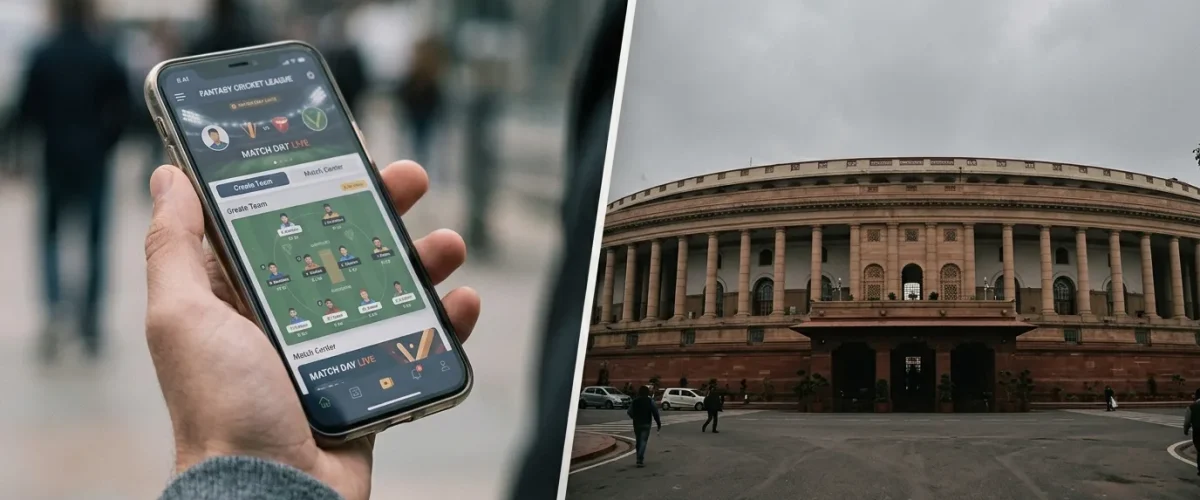
On 21 August 2025, the Indian government enacted a sweeping ban on all fantasy sports games, bringing an abrupt end to an industry that had grown to an estimated valuation of Rs 45,000 crore with over 180 million active users. The decision, which was met with shock by the industry and its stakeholders, fundamentally altered India’s online gaming landscape and raised profound questions about regulation, innovation, and the future of skill-based gaming in the country.
The Build-Up: Years of Regulatory Uncertainty
The ban did not emerge from a vacuum. For years, India’s fantasy sports industry had operated in a regulatory grey area, with its classification as a “game of skill” rather than “gambling” being the legal foundation upon which companies like Dream11, My11Circle, MPL, and others built their businesses. This classification, upheld by various court rulings, allowed fantasy sports platforms to operate legally and attract massive investment.
However, concerns about the industry had been mounting. Reports of financial losses by participants, allegations of addictive platform design, and the blurring line between skill-based gaming and gambling prompted increased scrutiny from state governments, civil society groups, and eventually the central government. Several states had already moved to ban or restrict fantasy sports before the national-level decision.
The Ban: Scope and Implementation
The central government’s ban, enacted through an amendment to India’s gaming regulations, applied to all online fantasy sports games and platforms operating in India. The definition was broad, encompassing fantasy cricket, football, kabaddi, and all other fantasy sports formats. Platforms were given a limited transition period to wind down operations, refund user deposits, and comply with the new regulatory framework.
The implementation was swift and unambiguous. Major platforms suspended operations, mobile app stores removed fantasy sports applications, and payment gateways ceased processing transactions for banned platforms. The industry, which had been a major advertiser in Indian sport — particularly in cricket — saw its commercial presence evaporate virtually overnight.
Impact on the Industry: Billions at Stake
The financial impact of the ban was staggering. Dream11, the market leader valued at over USD 8 billion before the ban, faced an existential challenge. Thousands of employees across the fantasy sports ecosystem — from platform developers and data analysts to marketing professionals and customer support staff — faced uncertain futures. The venture capital that had flowed into the sector, attracted by India’s sports-mad population and favourable court rulings, suddenly faced writedowns of enormous proportions.
The ripple effects extended beyond the platforms themselves. Sports leagues that had relied on fantasy sports sponsorship revenue — most notably the IPL, whose franchise strategies and commercial model were deeply intertwined with fantasy sports advertising — had to seek alternative sponsors. Media companies that had built content strategies around fantasy sports engagement saw their models disrupted.
The Skill vs. Gambling Debate
At the heart of the ban was the long-running debate about whether fantasy sports constitute games of skill or gambling. The industry had consistently argued — with judicial backing — that fantasy sports require knowledge, analysis, and strategic thinking that distinguish them from games of chance. The selection of a fantasy team, the industry contended, is an exercise in skill comparable to stock market investment or strategic decision-making.
Critics countered that the outcome of fantasy sports contests is predominantly determined by the real-world performance of athletes over which participants have no control, making it functionally equivalent to betting. The government’s decision to ban fantasy sports effectively sided with this interpretation, concluding that the potential for harm — financial loss, addiction, exploitation of vulnerable users — outweighed the industry’s economic contributions.
Legal Challenges and Court Proceedings
The ban prompted immediate legal challenges from affected companies, industry associations, and user groups. Constitutional challenges, based on arguments of freedom of trade and the right to practise a lawful profession, were filed in multiple high courts and the Supreme Court. These proceedings, which are ongoing in 2026, have generated significant legal debate about the government’s regulatory authority over online gaming and the constitutional protections available to digital businesses.
The legal battle has broader implications for India’s digital economy. The outcome will influence how the government regulates other online platforms, including those in gaming, e-commerce, and digital entertainment, and will set precedents for the relationship between innovation, consumer protection, and government regulation in the digital age.
The User Perspective: Millions Affected
The ban affected over 180 million active fantasy sports users in India. For many, particularly those who engaged casually with platforms during cricket and football seasons, the ban represented the loss of an entertainment activity that added excitement to sports viewing. For a smaller but significant number who had invested significant time and money — including some who had suffered substantial financial losses — the ban was a protective measure.
The refund process for user deposits has been a complex undertaking, with platforms working to return funds to millions of accounts. The experience highlighted the risks inherent in participating in loosely regulated online platforms and has informed broader discussions about consumer protection in India’s digital economy.
The Aftermath: Industry Pivot and Innovation
In the months following the ban, affected companies have pursued various strategies to adapt. Some have pivoted to non-real-money gaming models, offering free-to-play fantasy experiences supported by advertising. Others have focused on international markets where fantasy sports remain legal, leveraging their technology and operational expertise in regulated jurisdictions abroad.
The technology talent and gaming expertise developed by the fantasy sports industry has not been lost. Many professionals have transitioned to related sectors — including esports, gaming development, and sports analytics — carrying with them the skills and experience gained during the fantasy sports boom. This talent diffusion may ultimately benefit India’s broader gaming ecosystem, even as the specific industry that nurtured it has been curtailed.
Looking Forward: Regulation or Reinstatement?
The future of fantasy sports in India remains uncertain. Industry advocates continue to lobby for a regulatory framework that would allow skill-based fantasy sports to operate under strict consumer protection measures, rather than an outright ban. The ongoing court proceedings will be determinative, and the possibility of a regulated return — with measures such as deposit limits, mandatory cooling-off periods, and enhanced verification — has not been entirely foreclosed. For now, the Rs 45,000 crore industry that once seemed unstoppable has been brought to a standstill, its future hanging in the balance of courts and corridors of power.
Editor’s Note (3 April 2026): The Promotion and Regulation of Online Gaming Bill, 2025 was passed by both houses of the Indian Parliament in August 2025. This article has been reviewed for accuracy against parliamentary records and industry reporting from TechCrunch, Economic Times, and official government sources.

- India’s Startup Funding Crosses $7.2 Billion in H1 2026 - July 1, 2026
- After Ireland Shock, India’s T20I Side Faces Bigger Test - July 1, 2026
- Ireland Stun World Champions India 2-0 in Belfast, Sooryavanshi Debate Rages On - June 29, 2026