RBI Holds Repo Rate at 5.25% as Strait of Hormuz Crisis Clouds India’s 6.9% Growth Forecast for FY27

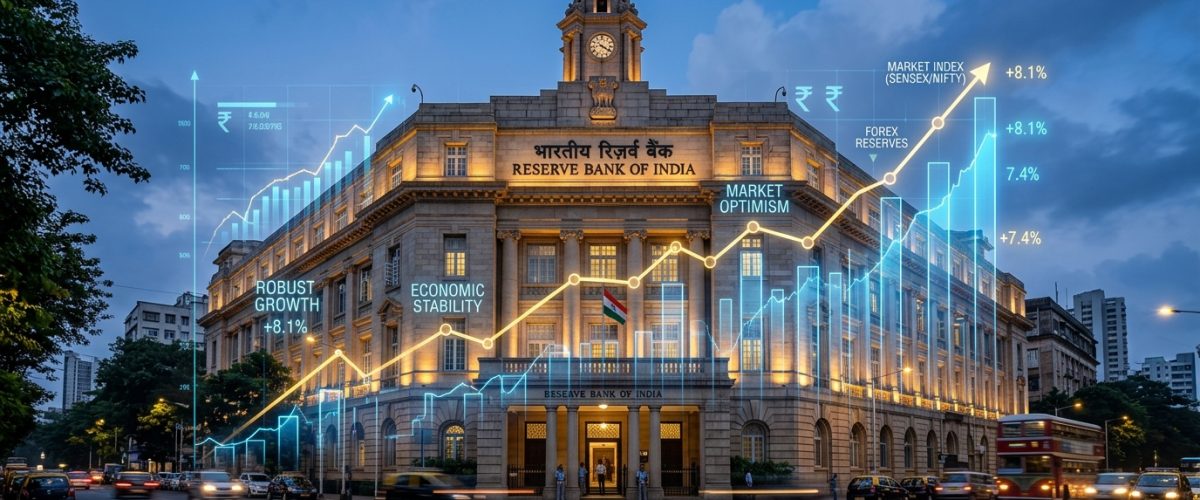
The Reserve Bank of India’s Monetary Policy Committee voted unanimously on 8 April to keep the repo rate unchanged at 5.25 per cent, opting for caution as the ongoing US-Iran conflict disrupts energy markets and casts a shadow over India’s economic outlook. Governor Sanjay Malhotra said India’s GDP growth for FY26 is estimated at 7.6 per cent under the new GDP series, while FY27 is projected to moderate to 6.9 per cent.
Hormuz Crisis Weighs on Growth
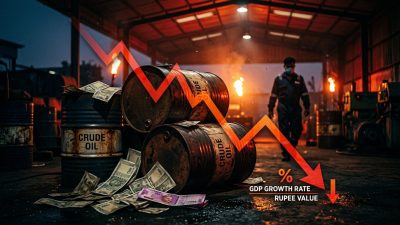
The MPC’s decision came against the backdrop of the Strait of Hormuz crisis, triggered by the US-Israeli air campaign against Iran in late February 2026. Brent crude surpassed $100 per barrel in March — the first time in four years — and rose to $126 at its peak. The strait, through which about 25 per cent of the world’s seaborne oil trade passes, has been largely blocked by Iran’s retaliatory actions.
Malhotra warned that “disruptions in the Strait of Hormuz could affect growth this year” as supply chain shocks hit key sectors. Elevated crude prices could increase imported inflation and widen the current account deficit. However, he noted that the government has been “proactive in ensuring supply of inputs across critical sectors” to minimise the impact.
Growth Projections Moderated
The RBI projects quarterly GDP growth for FY27 at 6.8 per cent in Q1, 6.7 per cent in Q2, 7.0 per cent in Q3, and 7.2 per cent in Q4. The full-year 6.9 per cent projection reflects both the external risks and a statistical high-base effect from FY26’s strong 7.6 per cent performance.
CPI inflation for FY27 is projected at 4.6 per cent — within the RBI’s 2-6 per cent tolerance band — with quarterly estimates of 4.0 per cent (Q1), 4.4 per cent (Q2), 5.2 per cent (Q3), and 4.7 per cent (Q4). Consumer price inflation rose to 3.21 per cent in February under the revised CPI series, up from 2.75 per cent in January, reflecting increases in food and precious metal prices.
Neutral Stance Retained
The MPC retained its neutral stance, signalling flexibility to respond to incoming data. All 33 economists tracked by Bloomberg had anticipated no change in the benchmark rate. While the RBI is in an easing cycle, the geopolitical disruptions have introduced upside inflation risks that make immediate rate cuts difficult.
Malhotra highlighted that India’s macroeconomic fundamentals had “exuded confidence” before the March escalation, supported by strong domestic demand. The Sensex rally on 8 April — a 2,946-point surge — reflected brief market optimism around ceasefire developments, though markets have since turned cautious.
The overhaul of India’s income tax framework and continued structural reforms are expected to support medium-term growth, while Indian companies navigating US trade developments face an additional layer of uncertainty. For now, the RBI’s message is clear: hold steady and monitor the crisis.

- How Indian Investors Are Navigating Market Volatility as the Hormuz Crisis Reshapes the 2026 Outlook - April 11, 2026
- RBI Holds Repo Rate at 5.25% as Strait of Hormuz Crisis Clouds India’s 6.9% Growth Forecast for FY27 - April 11, 2026
- Snack Tourism Takes India by Storm in 2026 as State Boards Promote Street Food Trails and Heritage Markets - April 10, 2026