OpenAI Acquires TBPN Tech Talk Show in Surprise Media Push Ahead of Planned IPO

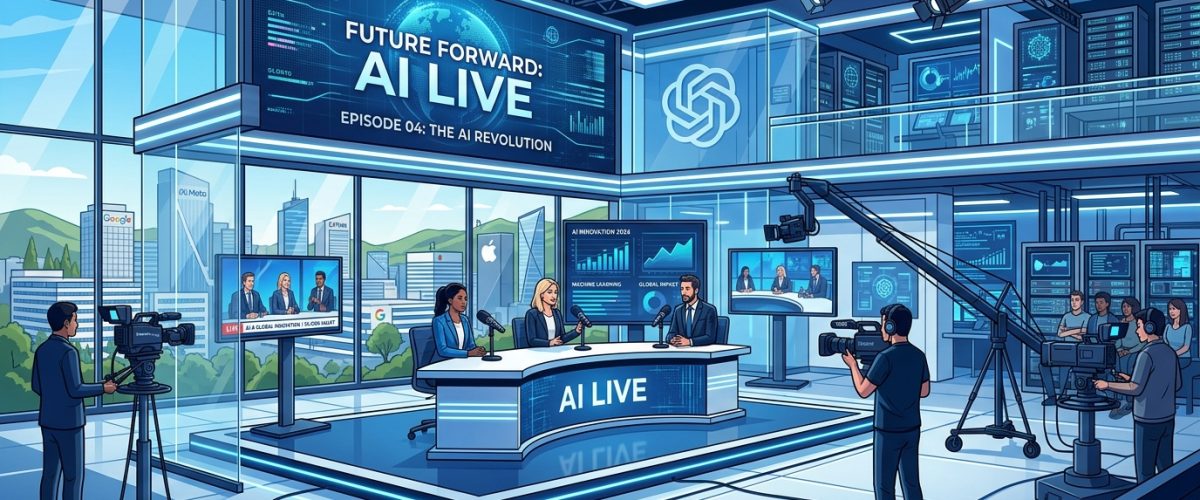
OpenAI has acquired TBPN, the Technology Business Programming Network, a viral tech talk show that has become required viewing in Silicon Valley, the company announced on 2 April 2026. Financial terms of the deal were not disclosed. The acquisition marks an unexpected move into media for the San Francisco-based artificial intelligence giant, which is preparing for what is expected to be one of the largest technology initial public offerings in history.
TBPN, hosted by Jordi Hays and John Coogan, streams for three hours every weekday and has built a dedicated following among tech industry insiders. The show’s appeal lies in its informal, highly online tone — turning complex topics like AI talent wars into formats resembling pro sports drafts — and its roster of high-profile guests, including OpenAI CEO Sam Altman and Palantir CEO Alex Karp. The show has never positioned itself as a journalistic outlet, instead operating as a conversation platform for technology leaders.
A New Communications Strategy for the AI Era
Fidji Simo, CEO of AGI Deployment at OpenAI, said the acquisition is part of a fundamentally different approach to communications. “The standard communications playbook just doesn’t apply to what we are building,” Simo wrote in OpenAI’s announcement. She described TBPN as “a real-time window into what’s happening in AI” and said the show would continue to operate as an independent platform where companies can share ideas and have honest conversations about the future of the technology.
TBPN will sit within OpenAI’s Strategy organisation, reporting to chief global affairs officer Chris Lehane. The move gives OpenAI a direct channel to shape online commentary about artificial intelligence at a time when public discourse around AI safety, regulation, and competition is intensifying. The acquisition also comes alongside other major business moves from tech giants — including Microsoft’s $10 billion investment in Japan to grow AI and train one million workers, and Elon Musk’s SpaceX eyeing a valuation exceeding $2 trillion in its own planned IPO.
India Connection: OpenAI Expands Its Global Footprint
The TBPN deal underscores OpenAI’s increasingly aggressive expansion strategy. The company recently appointed Kiran Mani to lead its Asia-Pacific growth after his exit from JioStar, signalling serious intent in the Indian market. India’s booming AI ecosystem and its status as the world’s fastest-growing major economy make it a key target for OpenAI as it competes with Google, Anthropic, and homegrown players like Krutrim and Sarvam AI.
Meanwhile, Indian markets have responded positively to global tech momentum, with the Sensex crossing 95,000 for the first time on the back of FII inflows and strong IT earnings. India’s own D2C brands are now going global, mirroring the kind of borderless expansion that companies like OpenAI are pursuing.
What the Deal Means for AI and Media
Industry analysts note that the acquisition blurs the line between technology companies and media organisations in a way that could become a trend. By owning a popular media property, OpenAI gains influence over how AI is discussed in public, particularly among the tech-savvy audience that will shape adoption. Whether TBPN retains its editorial independence under OpenAI ownership will be closely watched, especially as the company prepares to go public and faces increased scrutiny from investors, regulators, and the public alike.

- India D2C Market Races Toward 300 Billion Dollars by 2030 as Beauty and Personal Care Brands Lead Growth - April 8, 2026
- Sensex Surges 2946 Points to 77562 as Banking and IT Stocks Lead Massive Dalal Street Rally on 8 April - April 8, 2026
- UPI Hits All-Time High of Rs 29.52 Trillion in March 2026 as India Caps Record FY26 for Digital Payments - April 7, 2026