India Fast-Tracks Women’s Reservation as Centre Eyes Lok Sabha Expansion to 816 Seats Before 2029 Polls

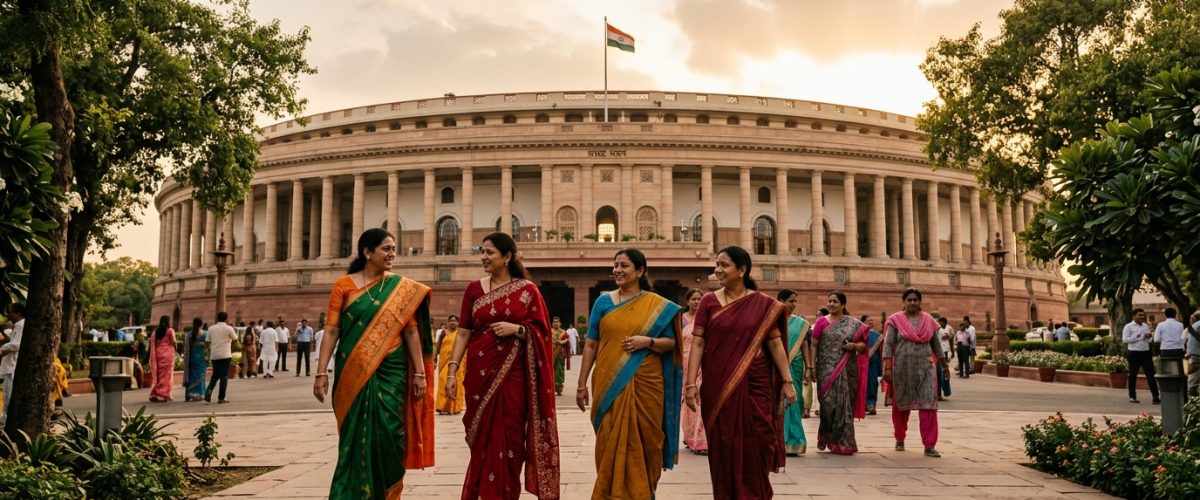
The Indian government is moving to fast-track the implementation of women’s reservation in Parliament and state legislatures, with Union Home Minister Amit Shah reaching out to opposition leaders in late March 2026 to build consensus for two key constitutional amendments. The Centre’s proposal would delink the rollout of women’s reservation from the Census 2027 exercise and expand the Lok Sabha from 543 to 816 members, with 273 seats reserved for women.
Centre’s Two-Pronged Amendment Strategy
The Nari Shakti Vandan Adhiniyam, passed unanimously by Parliament in September 2023, guarantees 33 per cent reservation for women in Lok Sabha and state assemblies. However, the law ties implementation to the completion of a fresh census and subsequent delimitation exercise — a process that could delay the rollout well beyond the 2029 general elections.
Shah’s outreach, which took place on 23 March 2026, included conversations with AIMIM chief Asaduddin Owaisi, NCP-SP leader Supriya Sule, and YSRCP MP Midhun Reddy. The home minister informed them that the Centre was keen on operationalising women’s reservation in time for the 2029 Lok Sabha polls, if not earlier.
Lok Sabha Expansion: 543 to 816 Members
The second proposed amendment would increase the total strength of Lok Sabha from 543 to 816 members. Under this model, 273 of the additional seats would be reserved for women, achieving the 33 per cent quota without reducing the representation of existing constituencies. This approach seeks to address concerns raised by southern states, which fear losing seats in a standard delimitation exercise due to their lower population growth rates.
Opposition Response Remains Divided
Most constituents of the opposition’s INDIA bloc, including the Congress party, stayed away from Shah’s discussions. Sources confirmed that informal talks between leaders from both sides had taken place over the preceding month, but a consensus remained elusive.
Regardless of opposition positioning, the Union Cabinet was expected to approve the two amendment bills, with introduction in Parliament planned during the ongoing budget session.
Why Delinking From Census Matters
India’s last census was conducted in 2011. The Census 2021 exercise was delayed by the pandemic and has not yet been completed. The government has announced Census 2027, but even if conducted on schedule, the subsequent delimitation process could take years.
By delinking women’s reservation from the census timeline, the Centre aims to ensure that the law does not remain a paper promise. The NITI Aayog’s recent report on women’s growing participation in India’s credit market — with women borrowers growing at a 22 per cent CAGR since 2019 — adds economic weight to the argument for faster political representation.
What Happens Next
Constitutional amendments require a two-thirds majority in both houses of Parliament, plus ratification by at least half of India’s state legislatures. With the ruling NDA holding a comfortable majority in Lok Sabha, passage in the lower house appears likely. The Rajya Sabha, where numbers are tighter, will be the more challenging arena.
If approved, the expansion would be India’s first change to the size of Lok Sabha since the freeze imposed by the 42nd Amendment in 1976. Political analysts describe the proposal as one of the most significant parliamentary reforms in decades.

- Practo Appoints Former Union Health Secretary CK Mishra to Board as India Healthtech Giants Gear Up for IPO Wave - April 9, 2026
- India Fast-Tracks Women’s Reservation as Centre Eyes Lok Sabha Expansion to 816 Seats Before 2029 Polls - April 9, 2026
- Indian Startups Raise Fresh Capital in April 2026 as Bachatt Amaha and Samekar Close Key Rounds - April 8, 2026