India’s Independent Music Scene Explodes as Indie Artists Cross 10 Billion Streams and Labels Rush to Sign Regional Talent in 2026

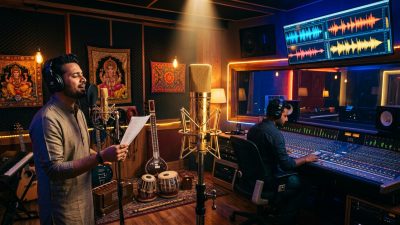
India’s independent music scene has crossed a historic milestone in 2026, with indie artists collectively surpassing 10 billion streams across platforms like Spotify, JioSaavn and YouTube Music. The achievement marks a dramatic shift in the country’s music landscape, as major record labels scramble to sign regional talent and live music festivals report their highest-ever attendance figures.
For decades, Bollywood film soundtracks dominated Indian music consumption. But 2026 has confirmed what industry insiders predicted: non-film, independent music now accounts for nearly 35 per cent of all streaming consumption in India, up from just 12 per cent in 2020. The change is being driven by a combination of platform algorithms, social media virality and a generation of listeners who prioritise authenticity over star power.
The 10 Billion Stream Milestone: How Indie Music Got Here
The journey to 10 billion streams began in earnest around 2019, when Prateek Kuhad’s “cold/mess” was featured on former US President Barack Obama’s year-end playlist. That single moment gave Indian indie music global visibility and inspired thousands of young musicians to pursue independent careers.
By 2024, artists like AP Dhillon, Anuv Jain, Seedhe Maut and The Yellow Diary had built audiences rivalling mid-tier Bollywood playback singers. In 2026, Spotify India reports that its top 50 most-streamed artists include 18 independent acts — a threefold increase from 2022. AP Dhillon alone has accumulated over 2.5 billion lifetime streams, making him India’s most-streamed independent artist globally.
The growth is not limited to Hindi-language music. Punjabi indie hip-hop, Tamil independent rock, Bengali experimental electronica and Rajasthani folk fusion have all found dedicated streaming audiences. This mirrors broader entertainment industry trends and news where regional voices are gaining national and international recognition.
Major Labels Rush to Sign Regional Independent Talent
The commercial potential of India’s indie boom has not escaped the attention of major labels. Universal Music India, Sony Music Entertainment and Warner Music have all expanded their India A&R teams in 2026, with specific mandates to sign independent artists from tier 2 and tier 3 cities.
Universal’s signing of Marathi rapper Gubbi, who went viral on Instagram Reels with his track “Mumbai Local,” exemplifies the new talent pipeline. Gubbi had never released music through a label before but his organic reach of 40 million views attracted a multi-year contract reportedly worth Rs 3 crore. Similarly, Tamil indie band The F16s signed with Sony Music after their album “Triggerpunkte” received critical acclaim at SXSW in Austin, Texas.
The label interest also extends to regional folk artists. Rajasthani singer Mame Khan, who gained international recognition through his appearance in the Coke Studio format, has signed an exclusive distribution deal with Warner Music that will bring traditional Manganiyar music to global streaming platforms. This development parallels how India’s cultural preservation getting a digital makeover is preserving India’s cultural heritage through modern channels.
Live Music Festivals Shatter Attendance Records in 2026
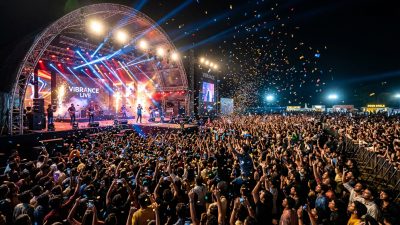
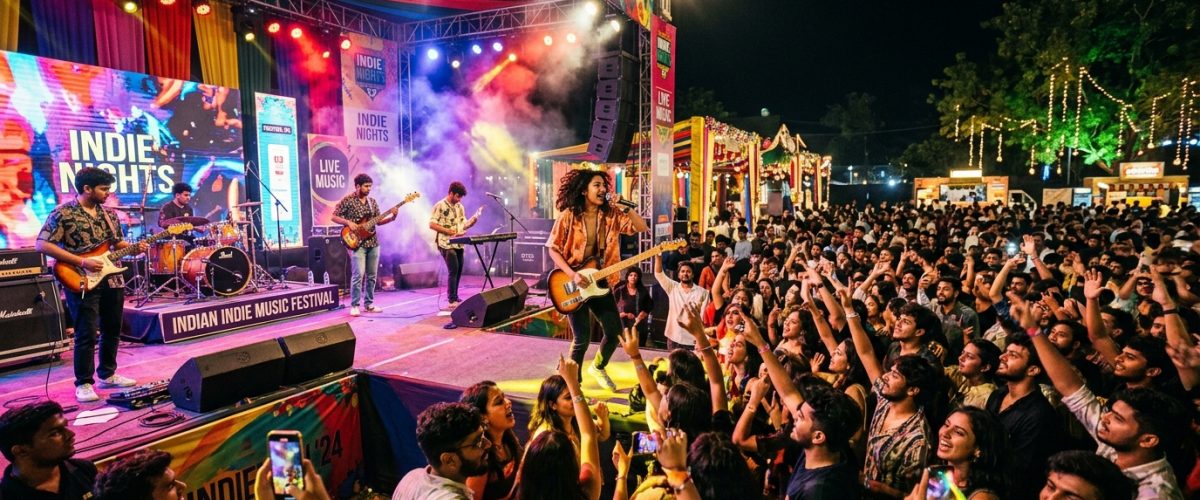
The live music economy in India is experiencing unprecedented growth. NH7 Weekender, the country’s biggest multi-city music festival, reported 250,000 cumulative attendees across its Pune, Shillong and Hyderabad editions in 2026 — a 60 per cent increase from 2024. The Magnetic Fields festival in Rajasthan sold out its 5,000-capacity venue within four hours of ticket release.
New festivals are also entering the market. Lollapalooza India, which debuted in Mumbai in 2023, expanded to Bengaluru in 2026 with a lineup that included international headliners alongside Indian indie acts. The festival’s economic impact on host cities is estimated at Rs 200 crore per edition, according to event management company BookMyShow Live.
The festival boom reflects broader changes in how young Indians consume entertainment. With streaming platforms battling for India’s massive audience increasingly offering music-adjacent content, and short video platforms reshaping how Indians discover content driving song discovery, the ecosystem connecting streaming, social media and live events has become tightly integrated.
The Creator Economy Fuels Music Discovery
Perhaps the most significant driver of indie music growth is the creator economy. Instagram Reels, YouTube Shorts and Moj have become the primary discovery platforms for new music, with trending audio clips driving streams far more effectively than traditional radio or television promotion.
Anuv Jain’s 2026 release “Doobey” accumulated 80 million Spotify streams within its first month, almost entirely driven by its viral adoption as a Reels soundtrack. The song was used in over 2 million user-generated videos before most listeners even knew the artist’s name. Similarly, Seedhe Maut’s “Class-Sikh” became an anthem on LinkedIn and Twitter threads about workplace culture, demonstrating how indie music can penetrate unexpected corners of digital culture.
Platforms are also investing directly in music. JioSaavn’s “Rising Stars” programme offers marketing support and playlist placement to independent artists with fewer than 50,000 monthly listeners. Spotify India’s “EQUAL” initiative promotes women in music and has helped artists like Jasleen Royal and Lisa Mishra reach new audiences. This reflects the evolving OTT and streaming platforms in India where content discovery increasingly happens through algorithmic recommendation rather than traditional gatekeepers.
Challenges and the Road Ahead for Indian Indie Music
Despite the optimistic numbers, challenges remain. Royalty rates on Indian streaming platforms are among the lowest globally, with artists earning an estimated Rs 0.003 to Rs 0.005 per stream on JioSaavn compared to $0.003 to $0.005 on Spotify. For an artist with 10 million monthly streams — considered successful by Indian standards — this translates to annual streaming income of just Rs 3 to 5 lakh.
The live music industry also faces infrastructure challenges. Most Indian cities lack purpose-built mid-capacity music venues (500 to 2,000 capacity) that are essential for nurturing touring artists. Venue closures in Mumbai and Bengaluru due to noise complaints and real estate pressure have forced many artists to rely exclusively on festivals for live income.
Nevertheless, the trajectory is unmistakable. India’s independent music scene has evolved from a niche subculture into a mainstream economic force. As the country’s 700-million-strong internet population continues to grow, and as regional language content gains prominence, the next 10 billion streams may arrive far sooner than the first.

- Nintendo Switch 2 India Launch and PlayStation 5 Pro Price Drop Spark Console Gaming Boom in Spring 2026 - March 29, 2026
- India’s Independent Music Scene Explodes as Indie Artists Cross 10 Billion Streams and Labels Rush to Sign Regional Talent in 2026 - March 29, 2026
- Alia Bhatt Shah Rukh Khan and Deepika Padukone Lead Forbes India Celebrity 100 as Brand Deals Cross Rs 3,000 Crore in 2026 - March 29, 2026