India Faces Early Heatwave Season as IMD Issues Alerts Across Southern and Central States

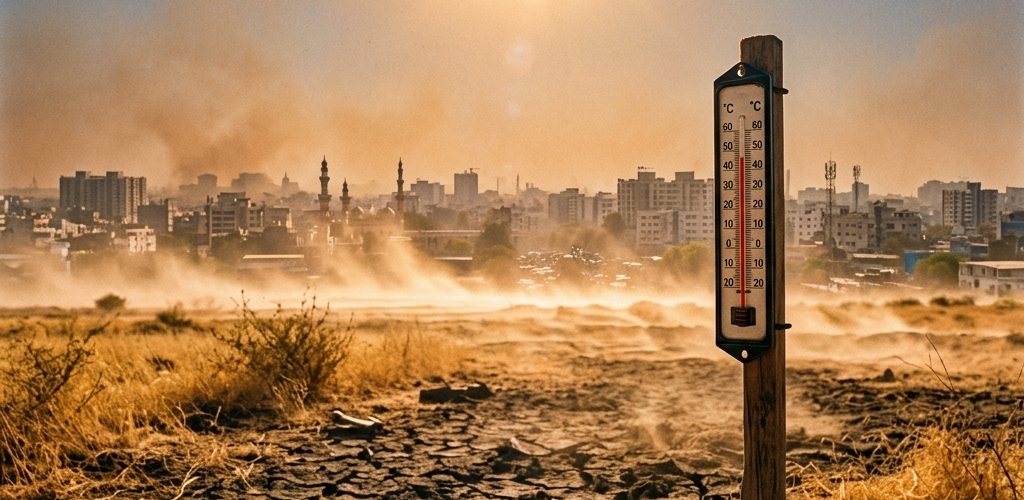
The India Meteorological Department has issued heatwave alerts for Andhra Pradesh and parts of central India as temperatures climb ahead of schedule in the second week of April 2026. Multiple states are recording daytime temperatures 4 to 6 degrees above the seasonal average, signalling an early onset of India’s annual summer heat crisis that is being compounded by the ongoing West Asia energy disruption.
The IMD has issued mixed weather alerts across the country for the week beginning 12 April, with severe heat conditions in the Deccan Plateau and parts of Rajasthan, while unseasonal thunderstorm activity is expected in northeastern India and Bengal. The divergent weather patterns reflect the increasing unpredictability that climate scientists have associated with rising global temperatures.
Temperatures Running Ahead of Schedule
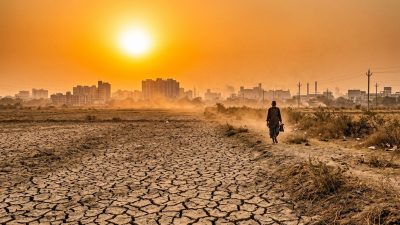
Parts of Andhra Pradesh, Telangana and interior Maharashtra have recorded maximum temperatures exceeding 42 degrees Celsius in the first two weeks of April, readings typically associated with peak May heat. The coastal districts of Andhra Pradesh, which normally benefit from sea breezes, are reporting temperatures 3 to 4 degrees above normal, reducing the traditional temperature gap between coastal and interior regions.
Rajasthan’s desert districts continue to lead the national temperature charts, with Churu, Barmer and Jaisalmer crossing 44 degrees. Madhya Pradesh, Gujarat and parts of Odisha have also reported above-normal temperatures. The IMD forecasts that these conditions will persist through April and intensify into May, with the peak heat season expected to extend later into June than in previous years.
India’s 2025 summer was already one of the five hottest on record, and early indications suggest 2026 may surpass it. The pattern is consistent with the World Meteorological Organisation’s assessment that global temperatures continue to trend upward, with particular intensity in South Asian and Middle Eastern regions where the combination of extreme heat and high humidity creates dangerous conditions for outdoor workers.
Energy Grid Under Double Pressure
The heatwave arrives at a particularly challenging moment for India’s energy infrastructure. The government has confirmed that it “successfully met the country’s peak electricity demand” during the initial April heat surge, but the coming weeks will test the grid further. India’s peak power demand, driven by air conditioning and cooling loads, has been rising by approximately 8 to 10 per cent annually.
Compounding the challenge is the ongoing Strait of Hormuz crisis, which has disrupted global oil supply chains. Brent crude prices have remained above $100 per barrel since March 2026, after peaking at $126 earlier in the year. Petroleum Minister Hardeep Singh Puri is set to visit Qatar amid concerns over gas supply security, with India finalising an oil and gas supply agreement with Mauritius as part of diversification efforts.
Coal India has announced plans to conduct e-auctions for 2.56 crore tonnes of coal in April, a move designed to ensure thermal power plants have sufficient fuel stocks. The government has also begun reviewing petrochemical supply chains and LPG availability amid concerns that prolonged West Asia conflict could affect household cooking fuel distribution.
Health Risks and Vulnerable Populations
Heatwave-related health risks are a growing concern. India recorded over 700 confirmed heat-related deaths in 2024, with the actual toll believed to be significantly higher due to underreporting in rural areas. Construction workers, agricultural labourers, street vendors and delivery personnel face the highest risk of heatstroke, dehydration and heat exhaustion during extended outdoor exposure.
The healthcare system is bracing for increased emergency admissions. AIIMS Delhi and other major hospitals have activated summer heat protocols, including extended hours for heat-related emergency departments and public awareness campaigns on hydration and early symptom recognition.
State governments in Rajasthan, Andhra Pradesh and Telangana have issued advisories urging citizens to avoid outdoor activity between 11 AM and 4 PM, carry water at all times and seek immediate medical attention for symptoms including confusion, dizziness, rapid heartbeat and cessation of sweating. Schools in several districts have adjusted examination schedules and shift timings to reduce student exposure to peak afternoon heat.
India’s Climate Response and Renewable Push
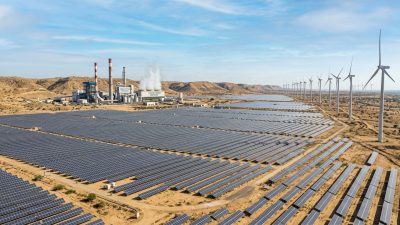
The recurring intensity of India’s heatwave seasons has accelerated the government’s climate and renewable energy push. Budget 2026 allocated $2.2 billion for carbon capture technology as part of a broader strategy to reduce dependence on fossil fuels. India’s renewable energy capacity has grown significantly, with solar and wind installations contributing a record share of the electricity mix.
However, the gap between renewable ambition and current reality remains wide. Coal still accounts for approximately 55 per cent of India’s electricity generation, and the combination of peak summer demand and constrained global fuel supplies creates a vulnerability that renewables alone cannot yet address. The government has also begun exploring reduced dependence on LPG by promoting induction cooking at household level, a structural shift that could reduce India’s exposure to imported energy volatility.
Union Minister Nitin Gadkari has noted that the construction sector is “becoming more technology-driven,” with heat-resistant building materials and passive cooling design gaining attention from developers building new housing projects across the country.
Urban Heat Islands Compound the Problem
India’s rapid urbanisation has created heat island effects in major cities where concrete, asphalt and dense construction absorb and re-radiate solar energy, pushing local temperatures 3 to 5 degrees above surrounding rural areas. Cities like Delhi, Chennai, Hyderabad and Ahmedabad experience night-time temperatures that remain dangerously high, preventing the body from recovering during sleep. Urban planners and municipal authorities are being urged to increase green cover, deploy reflective roofing materials and create designated cooling centres in public buildings where vulnerable residents can find relief during peak heat hours. As India enters what promises to be a difficult summer, the intersection of climate, energy and public health has never been more urgent.

- India Faces Early Heatwave Season as IMD Issues Alerts Across Southern and Central States - April 12, 2026
- India 5G Crosses 469,000 Base Stations and 250 Million Subscribers as Airtel and BSNL Accelerate Expansion - April 12, 2026
- India’s Bioeconomy Surges to $165.7 Billion as Government Targets $300 Billion by 2030 - April 11, 2026