Samsung Galaxy S26 Series Brings Agentic AI to India as Premium Smartphone Market Heats Up in 2026

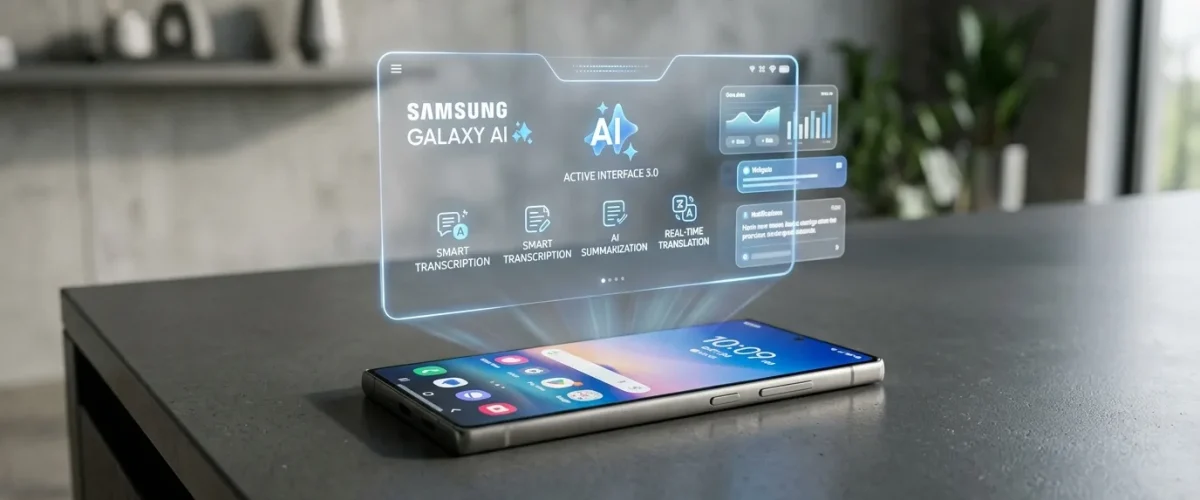
Samsung India has launched the Galaxy S26 series, introducing what the company calls its most advanced AI-powered smartphones to the Indian market. Available for pre-order since 26 February 2026, the Galaxy S26 Ultra, Galaxy S26+, and Galaxy S26 bring Agentic AI capabilities that allow the devices to manage tasks autonomously, marking a significant shift in how smartphones interact with their users. The launch intensifies competition in India’s premium smartphone segment, where Apple, OnePlus, and Xiaomi are all vying for market share.
Agentic AI: What Sets the Galaxy S26 Apart
The defining feature of the Galaxy S26 series is Samsung’s implementation of Agentic AI, a category of artificial intelligence that goes beyond responding to user commands to proactively manage routines and complete tasks with minimal intervention. Unlike traditional voice assistants that require specific instructions, the AI in the Galaxy S26 can observe usage patterns, anticipate needs, and execute multi-step actions across applications.
The Galaxy S26 series integrates multiple AI agents, including Samsung’s own Bixby, Google’s Gemini, and Perplexity, enabling tasks to be completed through a single button press or voice prompt. For example, the phone can automatically schedule meetings based on email content, organise photos by event without manual tagging, and draft contextual replies to messages by understanding the conversation history. The gadgets and technology landscape in India is being rapidly reshaped by AI integration across consumer devices.
Galaxy S26 Ultra: Flagship Specifications
The Galaxy S26 Ultra sits at the top of the lineup as Samsung’s most capable smartphone. It features a large display with enhanced brightness and refresh rate capabilities optimised for outdoor visibility in Indian conditions. The device is powered by the latest generation processor, delivering faster performance for AI workloads, gaming, and productivity applications.
The camera system has received significant upgrades. Improvements to the AI-powered Image Signal Processor now extend to the selfie camera, capturing more natural skin tones and finer detail in mixed lighting conditions, a feature particularly relevant for Indian users who frequently take photos in varied environments from brightly lit outdoor festivals to dimly lit restaurants. The Galaxy S26 Ultra is also the first Galaxy device to support the Advanced Professional Video standard, designed to deliver efficient compression for high-quality production workflows while preserving visually lossless quality even after repeated editing.
Battery life has been enhanced with Super-Fast Charging 3.0, which allows the device to reach up to 75 per cent charge in just 30 minutes. Given India’s increasingly mobile-first digital ecosystem, where smartphones serve as primary devices for work, entertainment, payments, and communication, the improved charging speed addresses a practical daily need for millions of users. The OnePlus Nord 6 launched earlier in April also emphasized battery performance, reflecting a broader industry trend toward all-day battery life.
Pricing and Market Positioning in India
Samsung has adopted an aggressive pricing strategy for the Indian market, where the premium smartphone segment has shown strong growth despite broader economic uncertainties. Pre-order customers who reserved the 256GB variants received a complimentary upgrade to 512GB storage, a promotional tactic aimed at driving early adoption and building momentum ahead of the full retail launch.
The pricing positions the Galaxy S26 series against Apple’s iPhone 16 lineup, the OnePlus 14 series, and the emerging threat from Chinese manufacturers such as Xiaomi, which has been pushing its flagship devices at lower price points. Samsung’s strategy relies on the combination of AI features, camera quality, and brand trust to justify its premium pricing, while offering exchange programmes and no-cost EMI options to make the devices more accessible to a wider range of Indian consumers.
India’s Premium Smartphone Market Growth
The Galaxy S26 launch comes at a time when India’s premium smartphone segment, defined as devices priced above Rs 30,000, is experiencing its strongest growth in years. According to industry tracking firms, the premium segment grew by over 25 per cent year-on-year in 2025, driven by rising disposable incomes, increased digital consumption habits, and the willingness of Indian consumers to invest in higher-quality devices that serve as their primary computing platform.
Samsung and Apple together control approximately 70 per cent of the premium segment in India, with Samsung leading in volume and Apple leading in value terms. The March 2026 smartphone rankings placed the Galaxy S26 Ultra and OnePlus 14 at the top of the flagship race, and the competition is expected to intensify through the year as new models from Xiaomi, Vivo, and Google enter the market.
AI Integration and the Future of Indian Smartphone Usage
Samsung’s push toward Agentic AI reflects a broader industry trend that is reshaping smartphone functionality. Indian users, who spend an average of 4.5 hours per day on their smartphones according to recent usage data, stand to benefit significantly from AI features that automate routine tasks and reduce the cognitive load of managing multiple applications. From sorting through WhatsApp messages to navigating UPI payments, the potential applications of on-device AI in the Indian context are vast.
However, the adoption of AI features also raises questions about data privacy and security. Samsung has emphasised that its AI processing happens on-device wherever possible, minimising the need to send personal data to cloud servers. In a market where digital privacy concerns are growing, particularly among younger, tech-savvy consumers, this on-device approach could be a differentiating factor. The broader Indian technology sector continues to grapple with balancing innovation and data protection.
Galaxy AI Ecosystem and Connected Devices
The Galaxy S26 series does not operate in isolation. Samsung has positioned the phones as the hub of a broader Galaxy AI ecosystem that includes the Galaxy Watch, Galaxy Buds, Galaxy Ring, and Galaxy Tab series. Cross-device AI features allow, for example, health data from the Galaxy Watch to inform wellness suggestions on the phone, or notes taken on the Galaxy Tab to be automatically summarised and action items extracted on the phone.
This ecosystem approach mirrors Apple’s strategy with its integrated hardware and software stack, and it gives Samsung an advantage over competitors that offer smartphones but lack the breadth of connected devices. For Indian consumers who are increasingly adopting multiple smart devices, the seamless integration across Samsung’s product range could drive loyalty and increase spending within the brand ecosystem.
What Samsung’s Galaxy S26 Means for Indian Consumers
The Samsung Galaxy S26 series represents a meaningful step forward in bringing advanced AI capabilities to Indian consumers. Whether the Agentic AI features live up to their promise in everyday use will depend on how well they adapt to the diverse, multilingual, and uniquely complex digital environment that characterises Indian smartphone usage. With strong specifications, competitive pricing, and a clear AI-first strategy, the Galaxy S26 series is positioned to be one of the defining smartphone launches of 2026 in India. For consumers comparing their options, the Nothing Phone 4a Pro and Motorola Signature are also notable April 2026 launches worth considering across different price segments.

- India’s Startup Funding Crosses $7.2 Billion in H1 2026 - July 1, 2026
- After Ireland Shock, India’s T20I Side Faces Bigger Test - July 1, 2026
- Ireland Stun World Champions India 2-0 in Belfast, Sooryavanshi Debate Rages On - June 29, 2026