TRAI Orders Reliance Jio to End Discriminatory Tariff Plans and Ensure Uniform Pricing by 14 April 2026

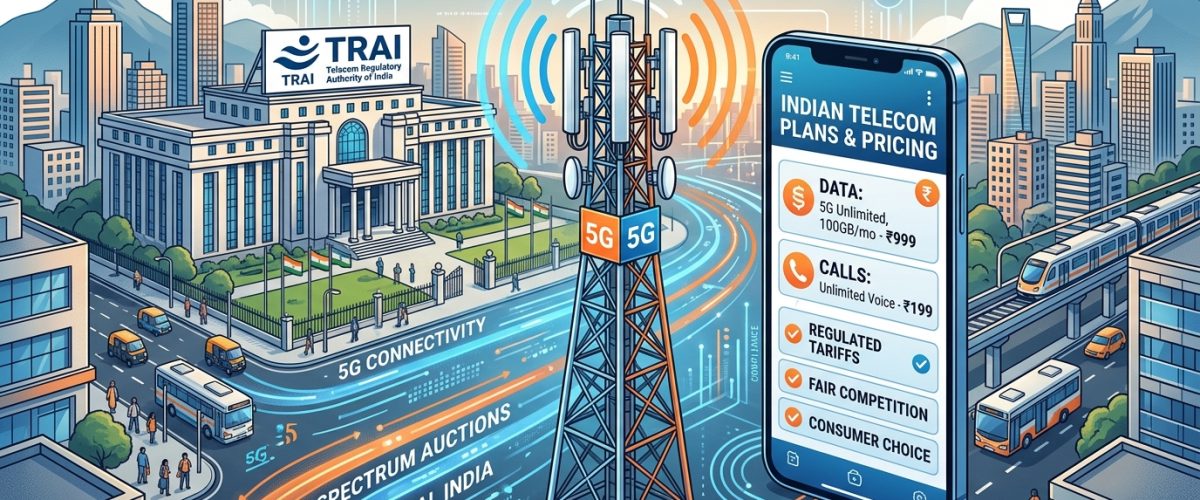
The Telecom Regulatory Authority of India (TRAI) has directed Reliance Jio to discontinue tariff practices that the regulator considers “discriminatory” and lacking transparency, setting a compliance deadline of 14 April 2026. The order follows a months-long investigation into how certain prepaid plans were being made available selectively to users through specific platforms, rather than being published uniformly for all subscribers.
TRAI’s probe, which began in August 2025 after consumer complaints about the disappearance of entry-level prepaid plans, found that several of Jio’s Special Tariff Vouchers (STVs) were restricted to specific channels. The Rs 249 and Rs 199 plans were accessible only through Jio retail stores, while the Rs 209 plan was available exclusively via the MyJio mobile application. The regulator flagged this selective availability as a violation of existing transparency norms that require telecom operators to publish all tariff plans on their websites and make them accessible across all recharge platforms.
Two Key Directives for Jio
TRAI has issued two binding directives: first, that Jio must ensure uniform publication of all active tariff plans across every customer-facing platform, including its website, retail stores, and third-party recharge applications; second, that the company must remove device-specific restrictions on select recharge offerings. These requirements aim to ensure that no subscriber is forced to use a particular channel or device to access a plan that should be universally available.
The order represents one of TRAI’s most assertive interventions in telecom pricing since the sector’s tariff war phase subsided. It is also significant in the context of TRAI’s broader regulatory agenda, which has included pushing tech and telecom companies toward greater consumer protection. The regulator had earlier pushed operators on 5G expansion timelines, directing Jio and Airtel to accelerate rural 5G coverage ahead of the 2027 target.
Industry Context: BSNL Expansion and Tariff Transparency
The order comes at a critical moment for India’s telecom industry. State-run BSNL is continuing its aggressive 4G network expansion, with over 97,000 mobile towers now operational under a TCS-led consortium and orders placed for an additional 30,000 sites. BSNL’s CMD A. Robert J Ravi has said the company will consolidate its 4G infrastructure before evaluating 5G options, using AI tools to optimise network planning. Private operators Reliance Jio and Bharti Airtel together have deployed more than five lakh 5G base transceiver stations over the past three years.
For consumers, the TRAI order could have immediate practical benefits. India’s digital payments infrastructure — with UPI processing over 800 million daily transactions — means that recharges increasingly happen through third-party apps rather than operator stores. Restricting plans to specific channels disproportionately affected rural and lower-income users who may not have access to Jio retail outlets or the latest version of the MyJio app. The order also has implications for how smartphone users browse plans, particularly as flagship smartphones in 2026 increasingly come with built-in recharge integrations.
What Happens Next
Jio has until 14 April to comply with TRAI’s directives. Industry observers will watch closely to see whether the company makes material changes to its tariff publication practices or challenges the order through legal channels. The outcome could set a precedent for how telecom pricing transparency is enforced in a market where three private operators — Jio, Airtel, and Vodafone Idea — serve over 1.1 billion mobile connections.

- India Mobile Gaming Market Targets $4 Billion in 2026 as BGMI Esports Roadmap Opens Five International Slots - April 5, 2026
- TRAI Orders Reliance Jio to End Discriminatory Tariff Plans and Ensure Uniform Pricing by 14 April 2026 - April 5, 2026
- OnePlus Nord 6 Launches in India on 7 April With Snapdragon 8s Gen 4 SoC and 9000mAh Battery as Mid-Range Flagship Race Heats Up - April 4, 2026